
Introduction
The use of surveillance drones by the United Kingdom Special Forces has raised security alarms following reports indicating data transmission to China. This development occurs as the UK attempts to ease previous tensions with Beijing.
Investigation and Findings
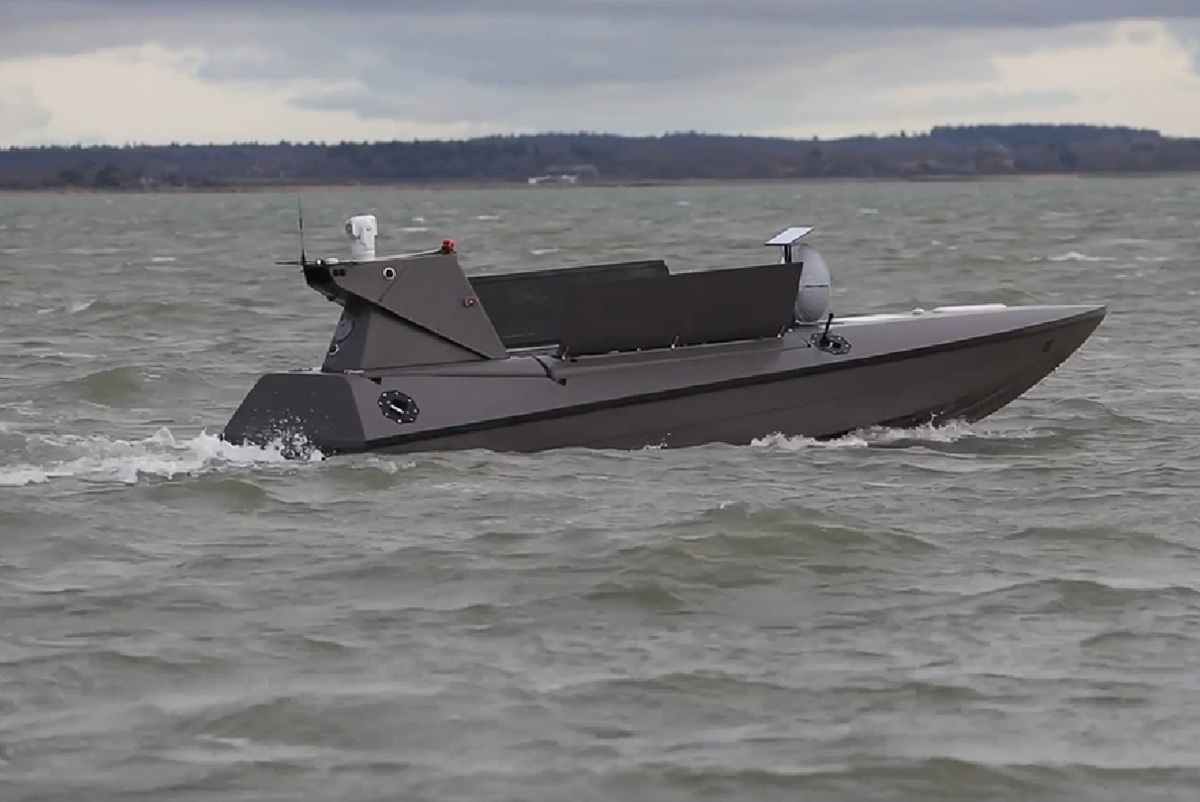
An investigation led by the U.K. Ministry of Defence uncovered that Kraken K3 Scout drones were sending ‘heartbeat communications,’ intended to verify operational status, to a Chinese IP address. These drones came from Kraken Technology Group, a British defense contractor focused on unmanned maritime systems. However, the cameras used were sourced from a third-party supplier who assured Kraken that security checks were met.
The revelation highlights potential vulnerabilities that align with warnings from Britain’s intelligence allies, the United States, Canada, Australia, and New Zealand, about Chinese intelligence efforts through technology.
Britain has proactively ordered telecom operators to exclude China’s Huawei from the 5G network rollout.
Deployment and Concerns
The drones are scheduled for deployment to safeguard commercial routes in the Strait of Hormuz. Concerns have emerged about security exposure for personnel from the Special Boat Service, who possess security clearances. Kraken assured that only a few components originated outside the UK. Both Kraken and the Royal Navy conducted audits and found no evidence of sensitive information leakages.
The U.K. Ministry of Defence confirmed the absence of sensitive data transmission outside the country. News outlets reached out to various involved parties for comments.
K3 Scout Drone Specifications
The K3 Scout drone, 28 feet long, can operate nonstop for up to 30 days, carrying up to 1,322 pounds of equipment, including radar and sensors used for surveillance and warfare.
The Royal Navy invested £12.3 million (approximately $16.6 million) to acquire 20 drones as part of Project Beehive, aimed at deploying a combination of crewed and unmanned vessels. These drones are part of Britain’s defense initiative to secure navigation in the Strait of Hormuz.
Previously, the K3 participated in NATO trials in the Baltic Sea, showcasing autonomous systems use. Additionally, Kraken received a $49 million contract from the U.S. Special Operations Command to develop prototype drones.
Balancing Act with China
Britain faces challenges balancing economic relationships with security concerns pertaining to China. Former Prime Minister Keir Starmer visited Beijing in January amidst trade tensions with Washington. Despite seeking closer ties, the British government remains cautious of Chinese espionage and surveillance risks.
In March, concerns over national security led the Labor government to block a Chinese company from developing an offshore turbine factory in Scotland. This decision is under review following appeals from the company.
Chinese experts claim Western governments project their historical practices onto China, viewing it as a threat. Last year, MI5 warned lawmakers about potential threats from Chinese-linked accounts attempting to forge relationships for espionage purposes.