
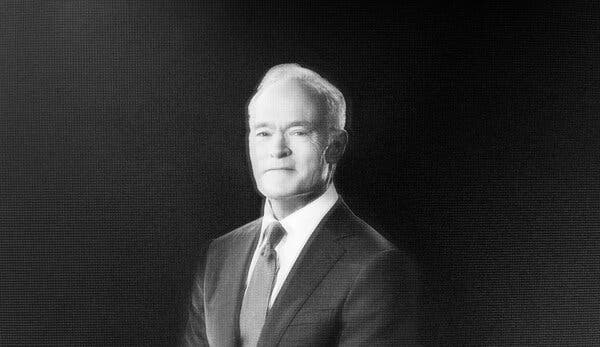
The influence of “60 Minutes” on journalism in America is significant. As the most-watched television news program, it has hosted legendary journalists such as Mike Wallace, Ed Bradley, Lesley Stahl, and Anderson Cooper. Scott Pelley was part of this lineup until recently.
Pelley spent 37 years with CBS, taking on roles including White House correspondent, anchor of the “CBS Evening News,” and “60 Minutes” correspondent. He was terminated following several turbulent events at CBS. These included a controversial financial settlement with President Trump linked to a “60 Minutes” segment, the sale of CBS to David Ellison, and the appointment of Bari Weiss to head CBS News. Weiss, who founded The Free Press and previously worked for The New York Times, lacks experience in television news.
Following his dismissal, Pelley joined other “60 Minutes” correspondents in accusing Weiss of editorial interference and bias. CBS News and Weiss have denied these allegations.
In his first public interview since leaving CBS, Pelley discussed with me the incidents he considered interference and shared his experiences at CBS News over recent weeks. He also expressed hopes for what might emerge from this tumultuous period at the network where he built his career.
A video interview with Scott Pelley follows, where he speaks to Lulu Garcia-Navarro about his recent experiences at CBS News. Links to subscribe to the interview on several platforms are provided.
Before Pelley was fired, “60 Minutes” saw the dismissal of several high-profile correspondents and leaders. Reports of impending changes to the show had circulated, but few anticipated such drastic actions, referred to by some as the ‘Black Thursday massacre.’
The terminations included Tanya Simon, the first female executive producer of “60 Minutes.” Simon had recently concluded a successful season, achieving a nine percent audience increase on television and a remarkable 190 percent growth in online views. Last season, “60 Minutes” amassed 2.5 billion views worldwide.