
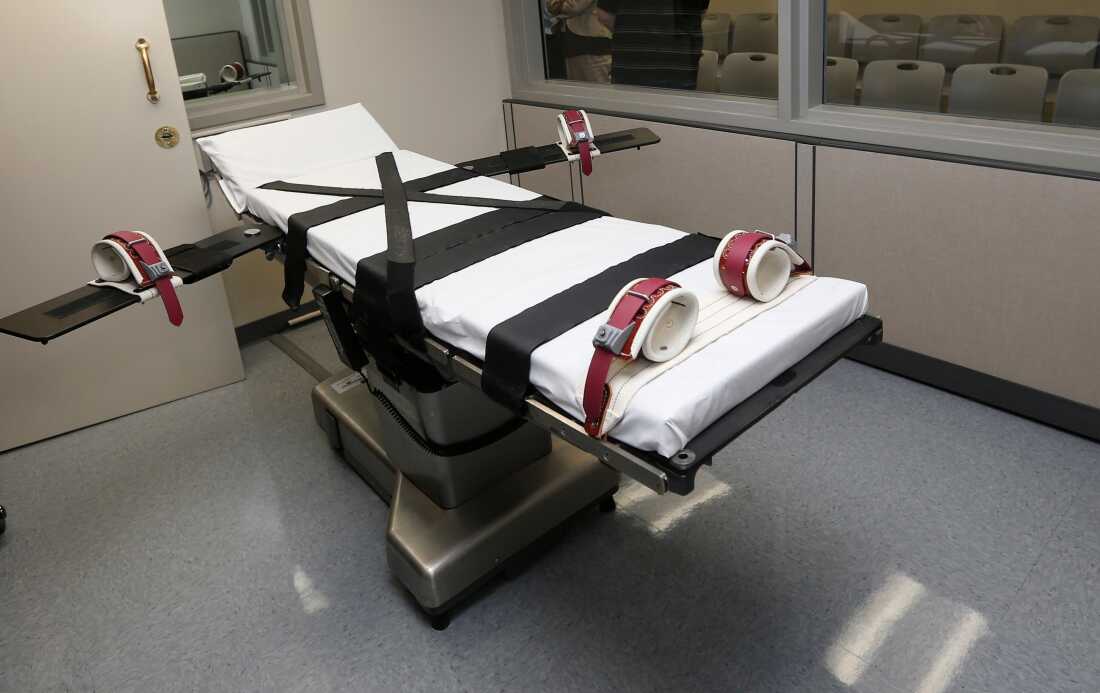
On Thursday, three men in Tennessee, Alabama, and Oklahoma are set for execution by lethal injection. This marks a rare occurrence of multiple executions on the same day in the U.S.
Tennessee Execution of Anthony Darrell Hines
In Tennessee, Anthony Darrell Hines faces execution for the 1985 murder of Catherine Jean Jenkins. Jenkins, a 54-year-old motel maid in Kingston Springs, was fatally stabbed by Hines. He was initially sentenced to death in 1986, won an appeal, and was sentenced again in 1989.
Hines’ execution follows the state’s halted execution attempt months earlier due to IV issues. At that time, difficulties arose in inserting a backup IV line, leading Governor Bill Lee to grant a reprieve. Concerns have been raised about similar issues potentially recurring due to Hines’ medical conditions. However, Tennessee’s Supreme Court ruled those issues isolated, and Hines’ appeals were unsuccessful.
Alabama’s Execution of Jeremy Williams
Alabama plans to execute Jeremy Williams for the 2021 rape and murder of 5-year-old Kamarie Holland. Williams admitted guilt, declined any appeals, and requested the execution proceed. Prosecutors revealed Williams filmed the assault and further abused the deceased child’s body.
“To see on video what he did to this baby, what a grown man could do to a child, it’s shocking, it’s horrible, it’s disgusting,” stated Russell County District Attorney Richard Chancey.
Williams was also linked to a 2005 case regarding his infant daughter’s death but wasn’t charged until 2022. Alabama’s planned execution of Williams will be the first of the year.
Oklahoma Execution of Carlos Cuesta-Rodriguez
Carlos Cuesta-Rodriguez in Oklahoma awaits execution for the 2003 murder of his girlfriend, Olimpia Fisher. Convicted of shooting Fisher in both eyes at their Oklahoma City home, Cuesta-Rodriguez did not seek clemency.
The state’s Pardon and Parole Board denied clemency, citing his violent actions as beyond redemption. Despite his attorneys’ arguments citing his traumatic background, including brain damage and mental health issues, the board decided against commuting his sentence to life in prison.