
Today marks a significant moment for Russian politics as citizens head to the polls to select a new parliament. This election is the first since President Vladimir Putin initiated military action in Ukraine, leading to significant changes in Russia’s political landscape. The current State Duma elections occur five years after the last one, during a period defined by what is termed the ‘special military operation’ or SVO.
The Push for a Pro-War Political Class
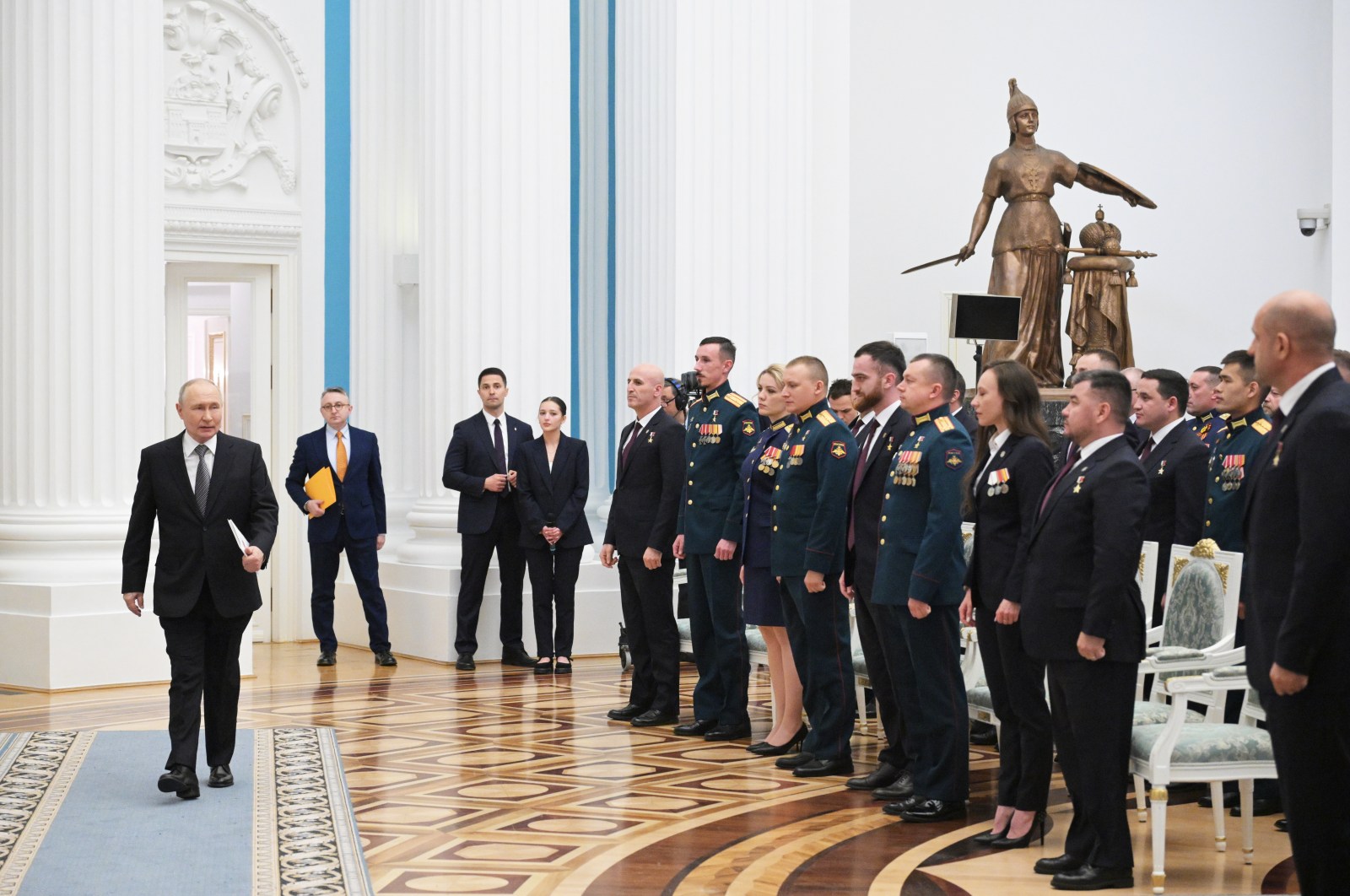
Since the beginning of the SVO, various sectors of Russian society have been redirected to support the war efforts. Industries and legislative frameworks have adapted to sustain ongoing military operations regardless of public sentiment. Putin’s vision involves aligning the government with this approach by integrating war veterans into political roles. Over 180 candidates for this parliament election are SVO participants, indicative of a broader strategy to include these individuals in leadership positions.
A warrior class in parliament aids in legitimizing the military operation and endorsing the government’s actions.
This strategy also amplifies the influence of military members in society, where veterans are gaining social prominence. The crucial question remains: will these veterans continue to follow orders?
War Influences Political Dynamics
The United Russia party, loyal to Putin, is predictable in its outcome. In contrast, parties like Yabloko, which openly oppose the war, have faced considerable setbacks such as being removed from federal ballots. Polling by the Levada Center showed 68 percent support for Russian military actions in Ukraine as of August. However, this support conceals growing resentment, particularly linked to economic deterioration.
The New Eurasian Strategies Center (NEST) highlights that while a majority support the war, a significant portion recognizes its negative impact on the economy. Putin’s solution involves forming a ‘party of victory,’ leveraging parliamentary strength to endorse military escalation and domestic repression.
Career Path from Military to Politics
Serving in the Ukraine conflict may now offer pathways to political success. The Time of Heroes program launched in March 2024 exemplifies this initiative, promising opportunities in government and prominent corporate roles.
Numerous SVO participants are stepping into political positions across Russia, with approximately 1,586 registered candidates, including 186 for the State Duma elections. The integration of veterans brings shared cultural reverence, resembling societal attitudes towards veterans in the U.S.
One notable figure is Vladislav Golovin, a former marine commander, now a key figure within United Russia. His progression serves as a model for veteran reintegration.
The Risks of Empowering Veterans
Russia’s approach risks empowering veterans with political influence, as seen in the case of Yevgeny Prigozhin, whose actions posed a legitimate threat to Russia’s Defense Ministry. This complex figure led mercenaries who once advanced towards Moscow before striking a truce.
Not all candidates advocate against the war but criticize its execution, benefiting the elite class without equitably sharing sacrifices. Some individuals, such as Anton Shilov and Alexander Zitser, criticize this dynamic within Russian politics.
Monitoring the Growing Veteran Influence
With concerns of ‘management risks’ attributed to a large veteran presence in parliament, proposals for dedicated veterans committees were dismissed. The Kremlin aims to avoid forming separate blocs that could fracture parliamentary unity.
Political journalist Farida Rustamova contends that policy remains directed by the executive branch, leaving parliament to enact instructions. This system limits veterans’ ability to establish independent power bases.
With upcoming economic challenges, including delayed tax hikes and reduced public spending, the success of integrating ‘war heroes’ into politics will hinge on the returning soldiers’ satisfaction with their promised rewards.