
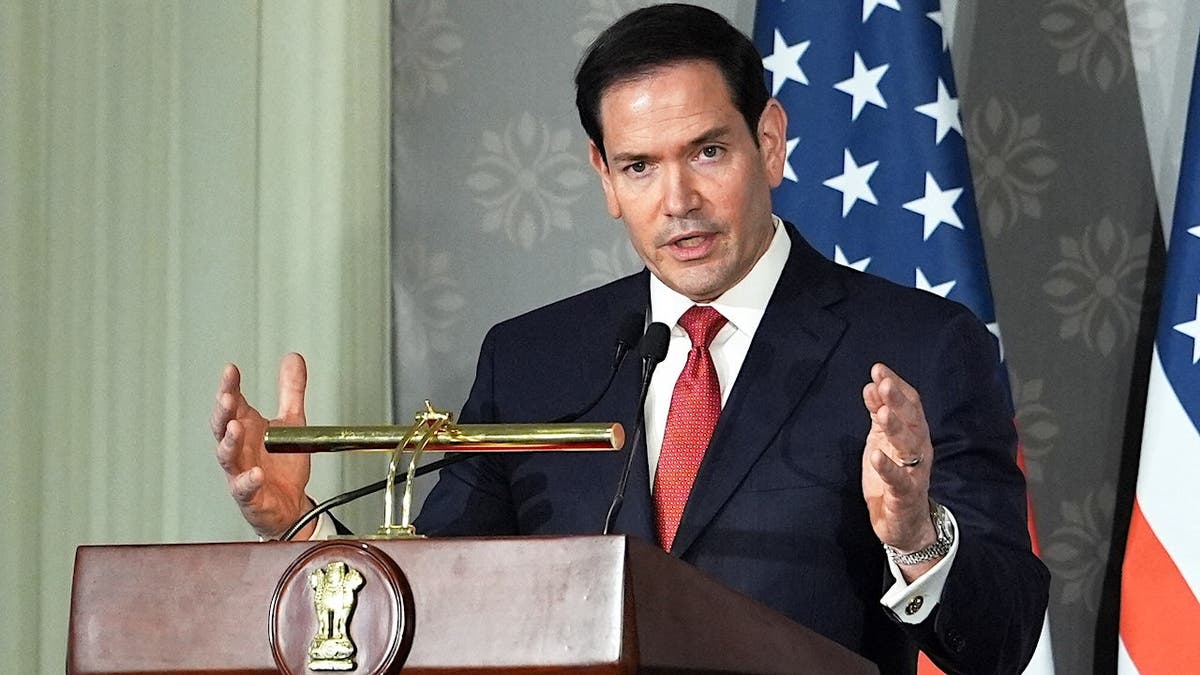
Secretary of State Marco Rubio addressed concerns about U.S. immigration reform during a news conference in New Delhi, India. Indian officials and media have expressed worries about the impact of these reforms on migration from India. Rubio clarified that the changes are not targeted specifically at India but are part of a global approach.
Indian Foreign Minister Subrahmanyam Jaishankar discussed the difficulties faced by legitimate travelers in obtaining visas. He emphasized the importance of ensuring that legal mobility is not negatively affected, as it plays a crucial role in business, technology, and research cooperation between the two nations.
Rubio, the son of Cuban immigrants, reiterated the importance of immigration policies that prioritize American interests. He emphasized the U.S. as a welcoming nation, noting that approximately one million people become permanent residents every year, contributing significantly to the economy.
Modernization is at the core of these immigration reforms. Rubio highlighted the substantial investments made by Indian companies, exceeding $20 billion, and stressed that the reforms aim to improve the system globally.
The U.S. is undergoing a period of modernization in its immigration system, which Rubio described as necessary due to a migratory crisis. Over 20 million people have entered the U.S. without authorization in recent years, necessitating reforms. He acknowledged that the reforms will bring a period of transition and adjustment but insisted they are long overdue for reflecting current realities.
During this transition, Rubio encouraged patience, assuring that the revised system would be more efficient and beneficial for people from India seeking opportunities in the U.S. He dismissed allegations of anti-India racism, encouraging a focus on constructive aspects of U.S.-India relations.
Eric Mack, a writer for Fox News Digital, contributed to the report, emphasizing recent developments in immigration policy discussions.