
Golf has long been regarded as a sport steeped in tradition, with little change over the years. However, the recent rise and decline of the LIV Golf Tour have stirred significant changes in the professional sphere. The LIV Tour’s influence reached beyond its events and players, impacting major qualification criteria and Ryder Cup team selections.
In reaction to the LIV Tour’s emergence, the PGA Tour implemented several changes to retain prominent players. These changes included introducing signature events with higher prize money, altering some tournaments to exclude cuts, and providing more support for top players. While star players competed for substantial $20 million prizes in these signature events, some smaller tournaments suffered as participants opted to rest instead of competing for less valuable rewards.
PGA Tour’s New Two-Tiered System
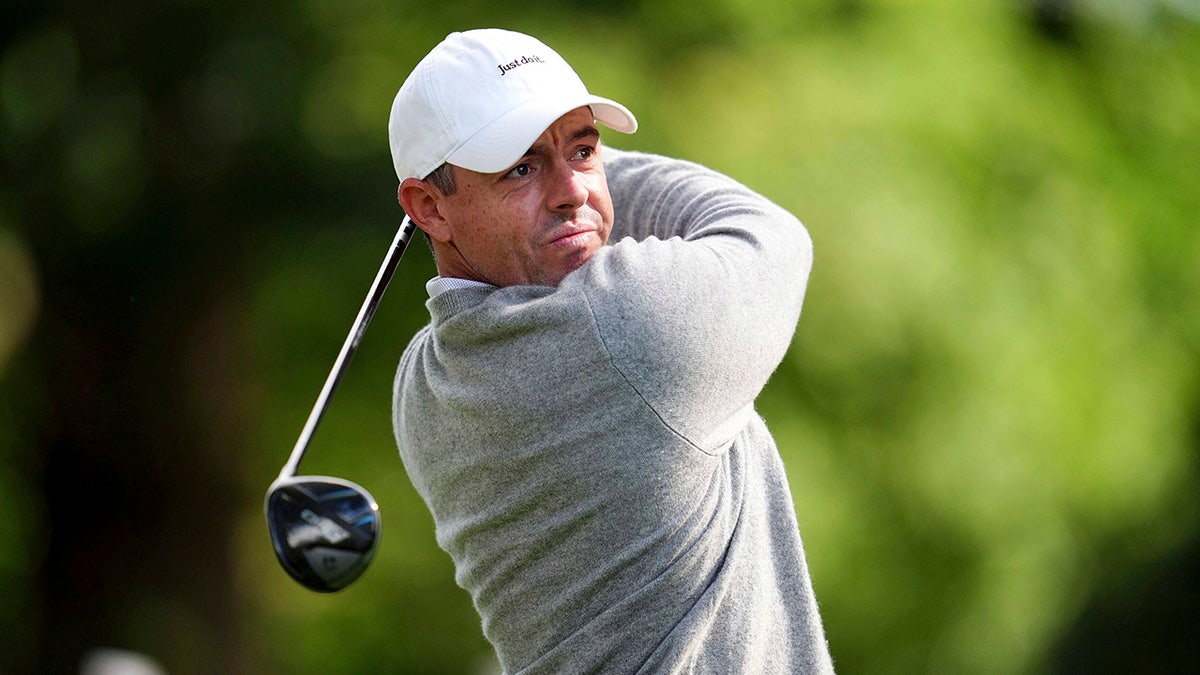
Rory McIlroy, a significant figure in these developments, has played a key role alongside PGA Tour commissioner Jay Monahan. McIlroy remained committed to the PGA Tour and assumed a leadership role during negotiations. With the Tour undergoing additional changes under new CEO Brian Rolapp, McIlroy has shared insights about the impact on his playing schedule.
Following his third round at the Tour Championship in Atlanta, McIlroy expressed a reduced interest in participating in most tournaments as his career progresses. “Once enthusiasm fades, it’s time for a break,” McIlroy stated. He admitted to attending events not out of desire but obligation.
McIlroy recently took a break after The Open Championship, returning to play three consecutive weeks in the FedEx Cup Playoffs. He revealed that this is his current limit, as he prioritizes family time and more breaks from competition. “This is my third week in a row. I rarely do that now,” he said.
He insisted he would not compete for four straight weeks, acknowledging his “fuse” has shortened over time. At 37, with nearly two decades as a professional golfer, his flexibility has declined.
McIlroy aims to further reduce his playing schedule, highlighting that his participation will decrease as years pass. When discussing upcoming changes to the PGA Tour, such as two distinct “tracks” for events and a promotion-relegation system, McIlroy shared skepticism, attributing some changes to LIV’s influence.
“It’s funny. Like I think, as they’ve done all this work, you start to realize that the way the tour was before LIV came along was actually pretty good,” he mentioned.
This sentiment reveals McIlroy’s view that the original PGA Tour structure was effective before LIV influenced significant modifications. With LIV’s threat diminishing, he believes the traditional format wasn’t flawed.
McIlroy also expressed feelings of being underappreciated for his efforts in maintaining the PGA Tour’s cohesion. Rumors of LIV players, including two-time major winner Jon Rahm, seeking a return have only amplified his detachment from the demanding PGA Tour schedule.
For McIlroy, major championships and the FedEx Cup Playoffs are top priorities, with TGL following closely. Although one of golf’s major attractions, McIlroy’s increasing openness about participating in fewer tournaments poses a challenge as the Tour seeks new sponsors. Despite substantial purses, he seems to view the matter as a challenge the Tour must address.