
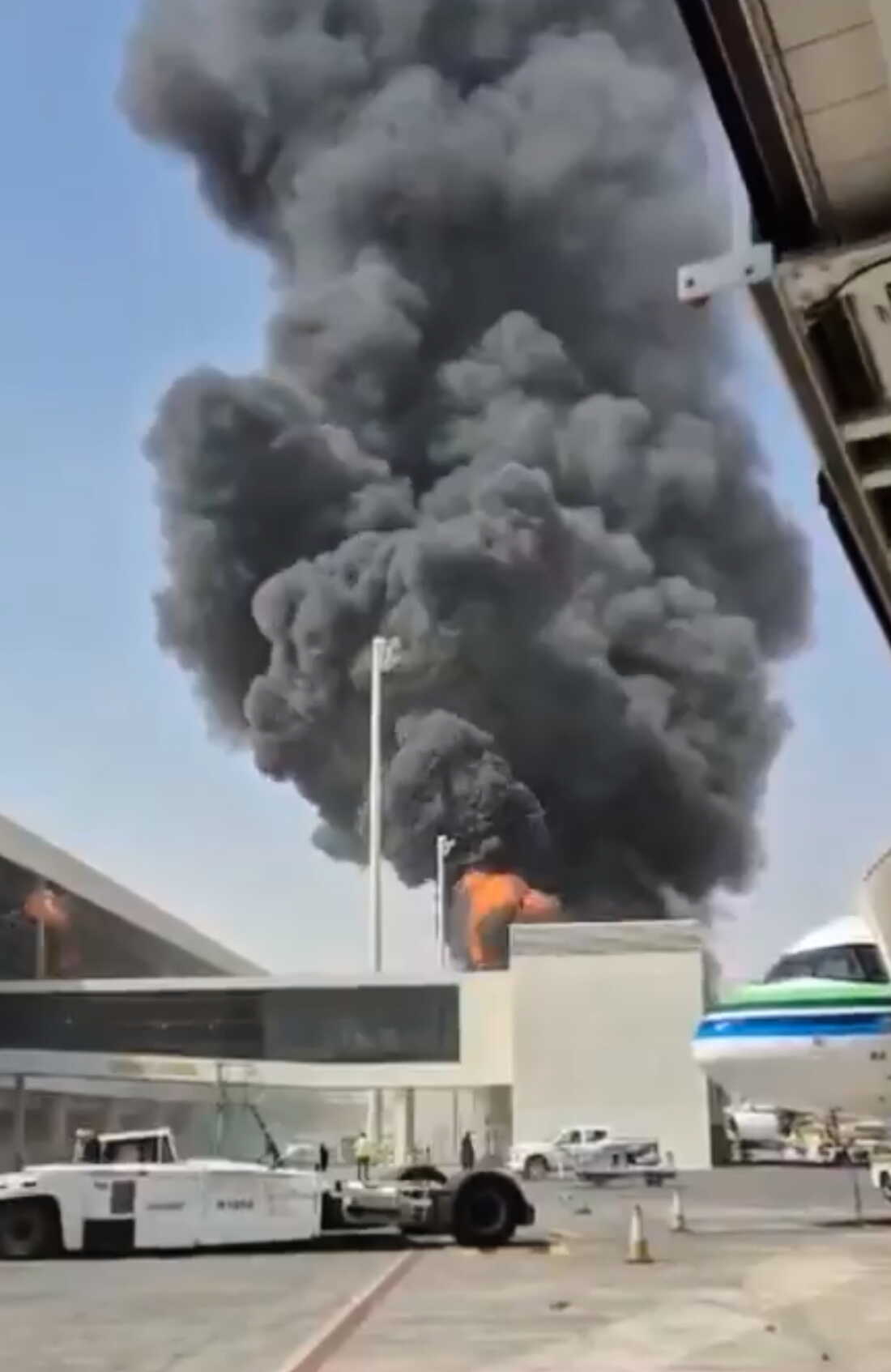
The King Khalid International Airport in Riyadh, Saudi Arabia, witnessed a renewed attack on Saturday. The incident comes amid intensifying conflicts involving Iran-backed Houthi rebels from Yemen. U.S. President Donald Trump is assessing potential American involvement with Saudi strikes against these rebels.
The Houthis, responsible for multiple assaults on Saudi soil earlier this week, claimed the attacks on the Riyadh airport, which resulted in three fatalities, including a Saudi pilot. On Saturday, a missile hit a section housing terminals 3 and 4, causing injuries, according to a regional official. The official spoke anonymously, as they were not authorized to make media statements.
“We may. We’re going to look at it,” said Trump regarding potential intervention. “We just found out about the recent attack. So we’ll make a decision. We move very quickly.”
The aerial offensive forms part of a broader strategy by the Saudi-led coalition aiming to counter the Houthi advances in Yemen. The coalition has escalated its military efforts following significant Houthi gains along the Red Sea, affecting essential shipping routes.
The attacks led to the suspension of operations at Riyadh airport, as confirmed by Saudi civil aviation authorities. The scale of the damage and injuries is under evaluation, with flights rerouted. International advisories from countries such as the U.S., U.K., and Germany warn citizens against traveling through Riyadh airport.
The regional instability, resulting from interruptions in Saudi oil exports, the premier global supplier, has had market ramifications. Despite the situation, Saudi Arabia still pushes forward with international energy initiatives, exemplified by an energy conference slated to begin in Riyadh on Sunday.
The conflict between the Saudi-backed Yemeni government forces and the Houthi militia has intensified, especially following military backing from the Saudi-led coalition aimed at reversing Houthi territorial gains. These advances have enhanced the Houthis’ ability to monitor shipping corridors alternative to the Strait of Hormuz, another hotspot due to Iranian hostilities.
The Houthis have communicated that their retaliatory actions target Saudi shipping in response to the blockade imposed upon them. Yet, broader security concerns loom, ignited by attacks on other vessels, even as they express solidarity with Palestinians amidst Middle Eastern tensions.
Saudi Arabia faces challenges with its missile defense systems, with a reported deficit in interceptors. Saudi officials have sought aid from allies like France and the U.K. to bolster air defense capabilities. The U.S. contributes through intelligence and operational planning to target Houthi strongholds.
South of the Arabian Peninsula, Oman discusses with Saudi Arabia the diplomatic pathways for tension de-escalation. Oman plays a role in moderating regional conflicts, facilitating dialogue between adversaries.
Riyadh’s residents were cautioned against sharing images or information about missile strikes, facing potential legal ramifications. This directive comes as the Houthis warned airlines against entering Saudi airspace, declaring it a combat zone.
Flight operations have suffered significantly, with 291 cancellations over 24 hours, according to FlightAware. Following the assault, airlines like Air India and Lufthansa suspended services to and from Riyadh, heeding warnings from the European Union Aviation Safety Agency about risks to aviation amid the Houthi strikes.
Damage reports highlight the destruction of aircraft on the Riyadh tarmac. A Saudi national carrier plane was affected while idle on the ground, though passenger safety was not compromised.