
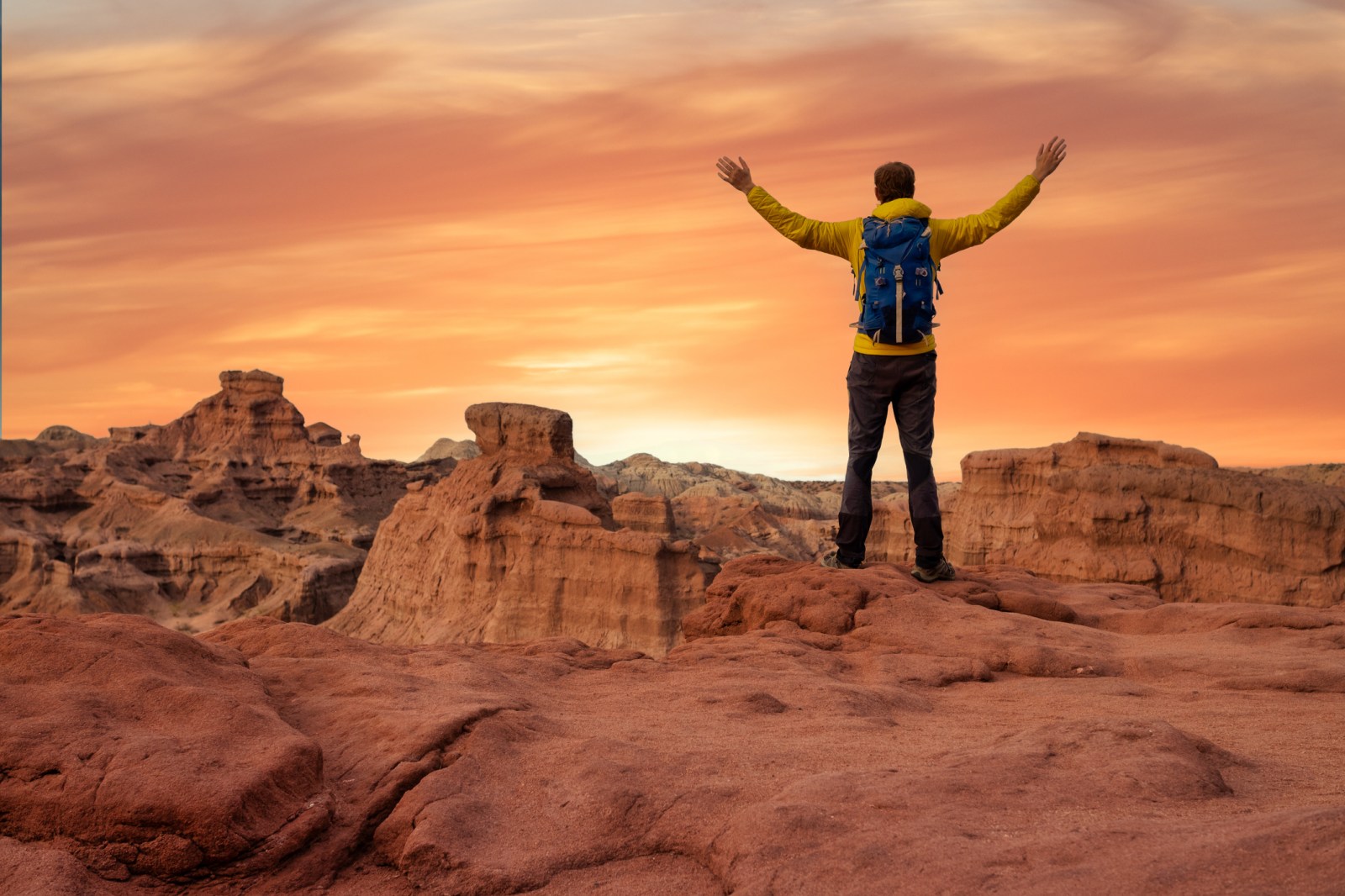
Travelers Taking Risks on Trips
Nearly half of American travelers have ventured beyond their comfort zone during trips according to a recent study. A notable 37 percent of Gen Z travelers have risked their safety for social media posts, highlighting the influence of digital platforms.
Behavioral scientist Jordan Bridger explains that phone cameras create a sense of audience from every viewpoint. The prospect of gaining recognition through dramatic images motivates younger travelers more effectively. Social media platforms often reward content that attracts attention, which influences this trend.
Insights from Travel Experts and Psychologists
Gabby Beckford, who manages Young Travelers Network on Facebook, shares that risky shots can grant young travelers attentiveness, prestige, and opportunities. She notes that Gen Z is more active online compared to other generations.
Recent reports of injuries highlight the dangers associated with capturing such moments. Incidents include a fatal fall at Silver Falls State Park and an injury in Croatia.
The survey conducted by Climbing Kilimanjaro gathered insights from over a thousand U.S. adults. It delved into social media’s impact on travel preferences, based on analyses of popular climbing posts.
Social Media’s Role in Decision Making
Bridger suggests social media amplifies risk-taking rather than causing recklessness. The influence of peers has historically increased risky choices among youth, as shown in a previous study.
Beckford asserts that social media boosts existing tendencies in young people to take risks. Younger generations often embrace risks across different aspects of life.
Statistics show a high percentage of people inspired by physically demanding trips, but only a fraction actually pursue them. Designing safer environments could mitigate risks.
Understanding Gen Z’s Perspective
Associate professor Paromita Pain agrees with Bridger on the age-related differences identified in the survey. Shailendra Pratap Jain warns against assuming Gen Z as inherently reckless due to their upbringing intertwined with social media.
For younger travelers, documenting experiences becomes part of the journey, where the act of taking photos merges with self-expression.
Content from influencers further shapes travel experiences, guiding how destinations are perceived and what actions are deemed extraordinary.
Industry Concerns and Responsibilities
The findings show how travelers view experiences not only as personal adventures but as content for an audience. Jain warns about the effect of algorithms promoting exceptional content, potentially normalizing risky behavior.
Pain cautions that social media-driven risks may impact guides, rescue personnel, and other travelers. Vummy Kihaule underlines the need for travel companies to manage such behaviors proactively.
Gabby Beckford urges travel operators to consider travelers as newcomers, unaware of trip risks. Clear marketing and safety protocols should be standard.
All promotional content should prepare travelers for challenges and encourage sensible decision-making during their travels.