
A New Type of Surveillance Threat
Ubiquitous technical surveillance (UTS) has emerged as a pressing concern. A Justice Department inspector general report in June 2025 disclosed how a hacker, associated with the Sinaloa cartel, identified an FBI assistant legal attaché using their phone number to access call records and location data.
This surveillance extended to Mexico City’s camera network, tracking the official and revealing their contacts. Such information was then used by the cartel to intimidate, and even eliminate, potential sources and witnesses. This marks a deadly shift: adversaries can exploit commercial data without physical surveillance.
Department of Justice Responses
An updated audit highlights concerns over deficiencies across the Department in addressing UTS. The report emphasizes the lack of a common definition for UTS, insufficient coordination, and inadequate training.
The audit’s findings matter greatly to Homeland Security and law enforcement. Identified deficiencies expose the Department’s employees and their operations to elevated risks.
Implications for Law Enforcement Safety
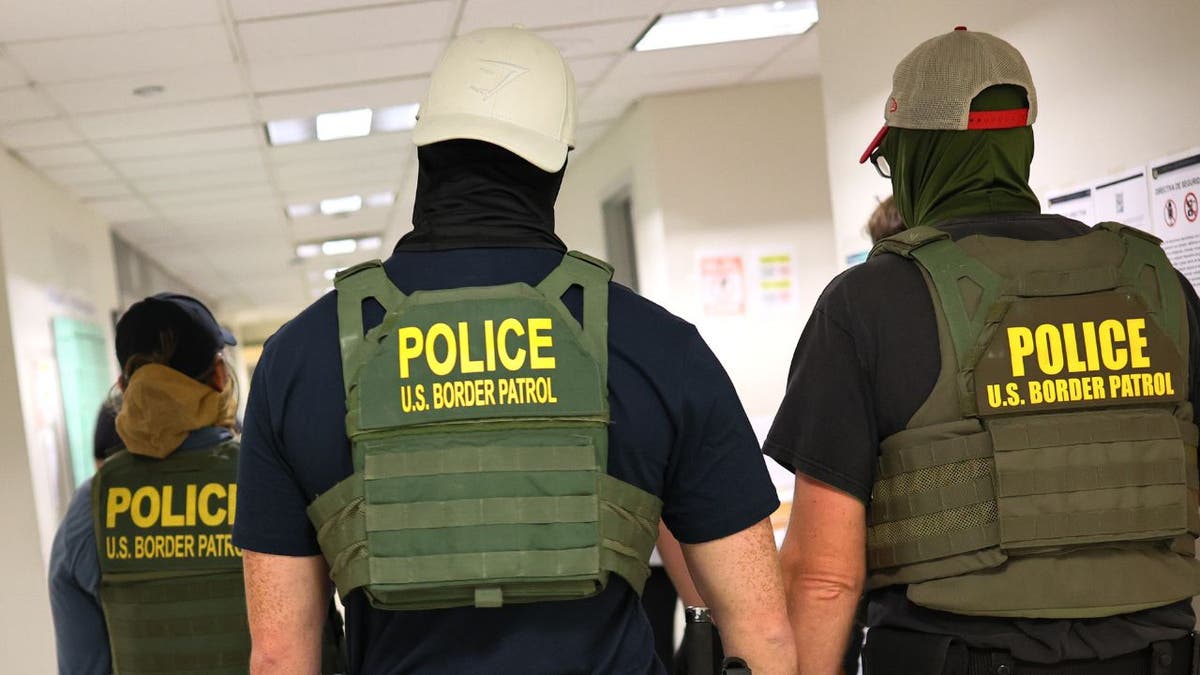
Law enforcement officers are increasingly vulnerable. As agents perform duties in the field, they are followed home and harassed by adversaries. Cartels have even been reported to place bounties on officers in Chicago, targeting agents for doxxing and assassination.
Data Vulnerability Exposing Federal Personnel
The commercial data economy creates new risks. Sensitive records have been sold cheaply, exposing U.S. military personnel’s identities and locations. Strategies used during the Global War on Terrorism should inform better personnel protection practices.
Effective measures are needed. Agencies should implement programs to identify vulnerabilities that adversaries can exploit. Families must receive help in securing their accounts and reporting threats.
Needed Action and Leadership
Designating a senior official to lead these efforts is crucial. Focus must be placed on personnel most at risk, including task forces and attachés working cartel cases. Identifying data vulnerabilities will help reduce exposure and train agents to work with the assumption of visibility.
Congressional support concerning funding and authority will be essential to these efforts.
Urgency for Protective Measures
The Mexico City case exemplifies the dangers when surveillance jeopardizes American officials and their families. Thorough protection against data leaks is necessary to prevent future incidents.
Immediate action is imperative to safeguard federal agents and their loved ones.
Todd Lyons, senior vice president at Navigators Security and Defense, served as acting director of U.S. Immigration and Customs Enforcement.