
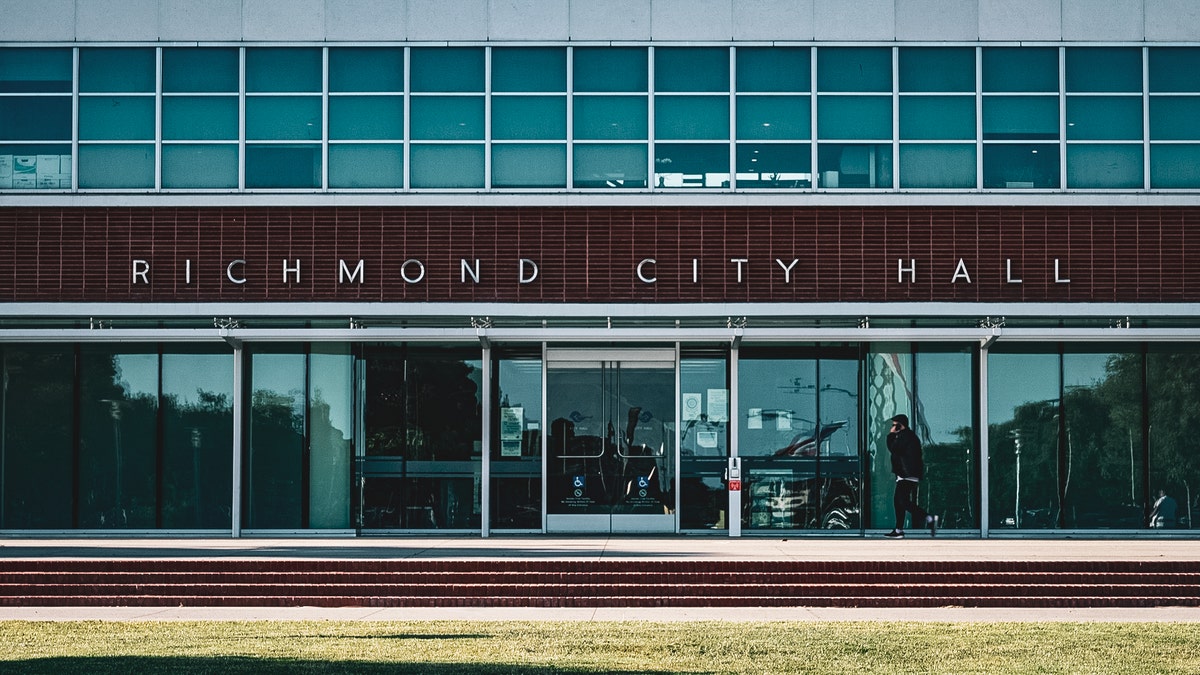
The city of Richmond, located just 30 minutes from San Francisco, is gaining attention for its distinctive political environment. The Richmond Progressive Alliance (RPA), a group that includes democratic socialists, has significantly influenced local governance for years. Richmond appears like any other working-class California city, with a large Chevron refinery near the shoreline and immigrant-owned businesses along 23rd Street. However, its political landscape distinguishes it.
Influence of the Richmond Progressive Alliance
Formed in the early 2000s, the RPA has been a key player in Richmond’s government for more than two decades. Originally created to counter corporate power, oppose the Iraq War, and advocate for fair housing and rent control, the alliance has only expanded its influence. Some residents express concern about the relationship between City Hall and local businesses, and the city’s willingness to support economic development.
The RPA has become an alternative to traditional, business-focused politics, aiming to empower marginalized communities.
Current Mayor Eduardo Martinez, aligned with the coalition and associated with the Democratic Socialists of America, leads the city council. Martinez has promoted policies targeting environmental justice and limiting corporate influence, but critics argue that this approach fosters a business-unfriendly environment.
Political Shifts and Local Business Concerns
Former Mayor Tom Butt expressed concerns about the RPA’s growing power, noting a shift in City Hall’s attitude towards businesses. According to Butt, Richmond used to be business-friendly but has now become more hostile, complicating matters for business owners.
The divide with Chevron, a major local economic contributor, illustrates the shift. RPA supporters claim victories against Chevron’s influence, arguing for the company to be held accountable for environmental and community impacts. However, critics warn of negative economic outcomes if Chevron distances itself due to strained relations.
Voices of Business Owners
Local business owners echo these concerns. Kevin Brown, former president of Riggers Loft Wine Company, highlights the RPA’s perceived anti-business stance. After investing heavily in a valuable business, Brown faced legal disputes with the city over deferred COVID-era rent, ultimately leading to his business’s closure.
Brown argues that Richmond demands more collaboration between business and city leadership to balance revenue generation with citizens’ quality of life.
Challenges for Immigrant-Owned Businesses
Along 23rd Street, immigrant-owned businesses, like Tacos El Rulas owned by Raul Ramirez, experience frustration with City Hall. Raul’s son, Angel Ramirez, stresses the need for greater city council attention to small businesses, citing challenges in acquiring necessary permits despite compliance with regulations.
These struggles reflect a broader sentiment among business owners that city leadership may prioritize ideology over practical solutions.
Martinez, however, views the city’s ideology as crucial to governance, framing Richmond as a grassroots democracy that opposes corporate and financial pressures.