
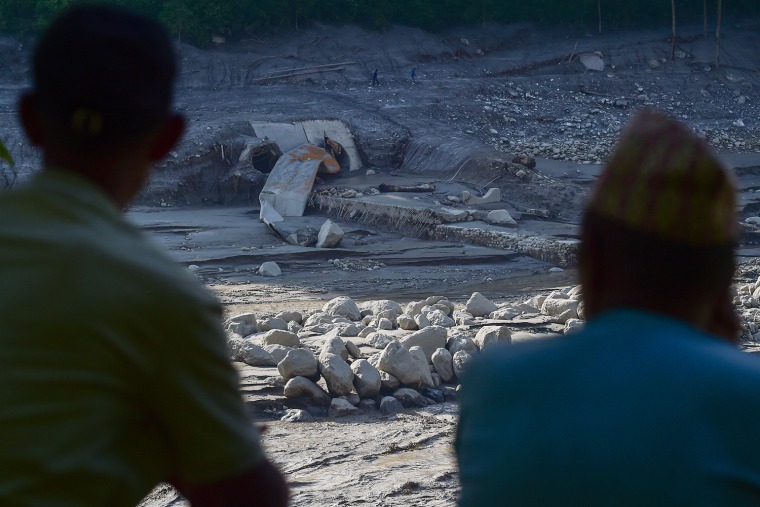
On September 2, 2026, in Nepal, rescue teams are striving to find survivors in ongoing efforts after a glacier collapsed, causing flash floods that devastated the region. Authorities are hopeful that workers trapped in tunnels of hydroelectric plants might still be alive.
Rescue Operations Focus on Hydroelectric Plants
A week after the catastrophe, the focus of rescue operations has shifted towards the ruins of hydropower plants. Authorities believe the powerhouses might offer spaces for survival, where trapped workers could have access to water and food. Amhsu Kiran Shahi from the Nepal Electricity Authority expressed confidence in the likelihood of survival due to these facilities.
Ongoing Search Efforts
The ongoing search operations are concentrated along the border with China. Despite the decreasing chances of finding survivors elsewhere, rescue teams continue to scour through collapsed towns. Phanindra Paudel from Nepal’s National Emergency Operation Center remains hopeful, stating, “Hope is hope!”
Tunnel Rescue Operations
Major operations are taking place in tunnels across four hydropower projects, where nearly 100 individuals are missing. Tunnels at sites such as Trishuli-3A offer promising conditions for survival due to air flow and oxygen being pushed in through pipes. Specialized rescue teams from India, China, and the US are involved in these efforts.
In Tibet, China’s official toll from the disaster includes 16 deaths and 546 missing, including a significant number of Indians visiting the holy sites in Tibet. Heavy machinery is being transported to the border, facilitating rescue operations amid challenging weather and terrain.
Impact on Community & Infrastructure
Across affected towns, residents are attempting to salvage their belongings. Shanta Sunar from Nuwakot shared her experience of escaping with her husband with nothing but their lives, reflecting on the widespread impact of the floods.
The psychological distress among children witnessing such devastation is significant, noted by Save the Children, reporting increased anxiety and fear.
Efforts to Restore and Rebuild
Nepali Prime Minister Balendra Shah conveyed governmental actions to restore essential services like telecommunications, power, and transport. The disaster has disrupted a significant portion of electricity generation capacity, impacting daily life.
Efforts are enhanced by international support, including sending DNA identification experts and necessary emergency supplies to aid relief efforts.