
The upcoming 2026 midterm elections pose significant challenges for Republicans. The outcome will be influenced largely by how well Republicans manage to shape the narrative, a struggle reminiscent of their 2006 defeat when the Iraq War dominated political discourse.
Following the 2004 presidential election, Republicans held a majority in the House with 232 seats compared to 202 for Democrats. However, by 2006, Democrats reversed these numbers, achieving a majority of 233 seats and securing the independent seat.
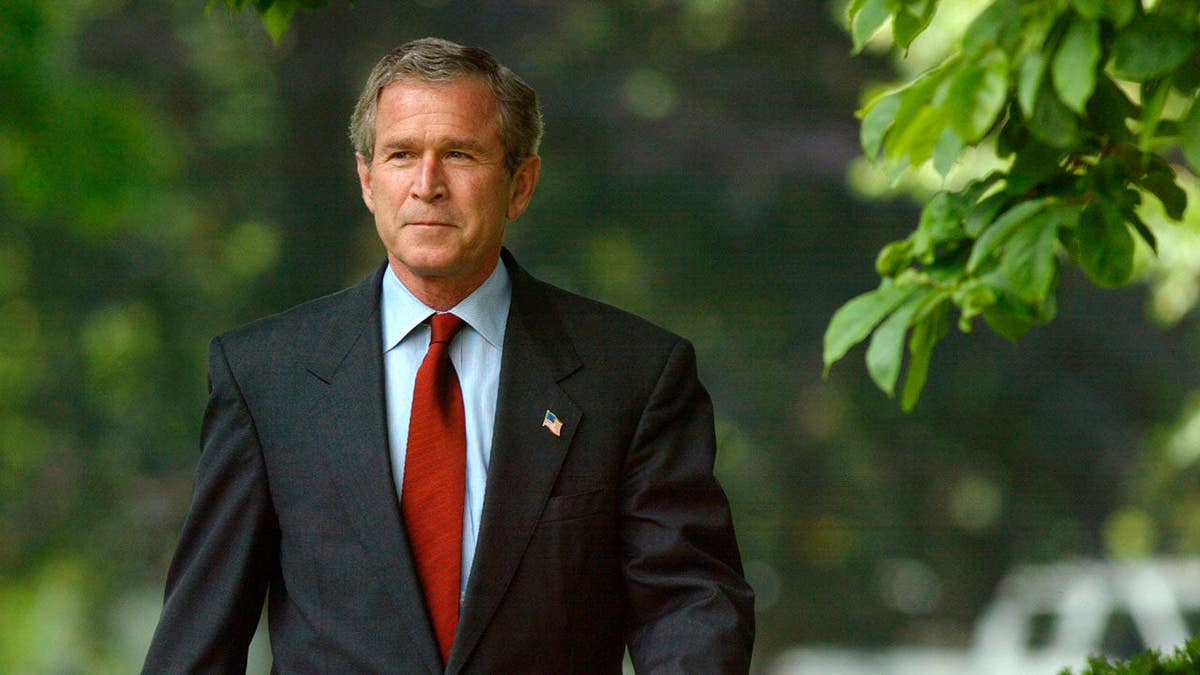
Despite economic growth of 3% and the creation of 1.8 million new jobs in 2006, Republicans lost control of the House. The primary reason was their inability to control the narrative and present a compelling plan for voters. During the 2006 campaign, the Iraq War overshadowed economic issues. Public dissatisfaction was evident as 56% of Americans disapproved of the war, influencing President George W. Bush’s approval ratings.
Compounding their issues was the Mark Foley scandal involving a Republican congressman, further swaying independent voters toward Democrats with a margin of 57% to 39%. While the Iraq War did not impose hardships akin to Vietnam or World Wars, it was still a pressing concern. Rising gas prices mirrored familiar patterns.
The Iraq War resulted in far fewer American troop deaths compared to Vietnam, yet public perception focused on the war’s negative aspects.
Republicans in 2006 failed to provide a forward-looking agenda. They depended on financial advantages and past achievements without proposing a clear plan, ultimately losing the narrative to the Democrats. Similarly, as in 2006, the current political climate echoes past challenges.
Despite a strong economy marked by record-low poverty rates, booming manufacturing, and robust consumer spending, Republicans have yet to communicate their vision for 2027. Criticizing Democrats is insufficient without offering a concrete strategy.
Republicans risk repeating 2006’s mistakes unless they present a clear plan. One proposed strategy is:
- Halving federal taxes for homeowners selling their houses, exempting seniors over 65 from taxes to stimulate the housing market.
- Securing Social Security by reducing government fraud, with each $100 million saved representing over 42,000 monthly benefits for seniors.
- Ensuring safety for Americans in the AI era.
Republicans must act now, providing voters with a substantial and appealing plan if they aim to win in 2026.
Thomas G. Del Beccaro, author and former U.S. Senate candidate, emphasizes the urgency for Republicans to offer tangible solutions.