
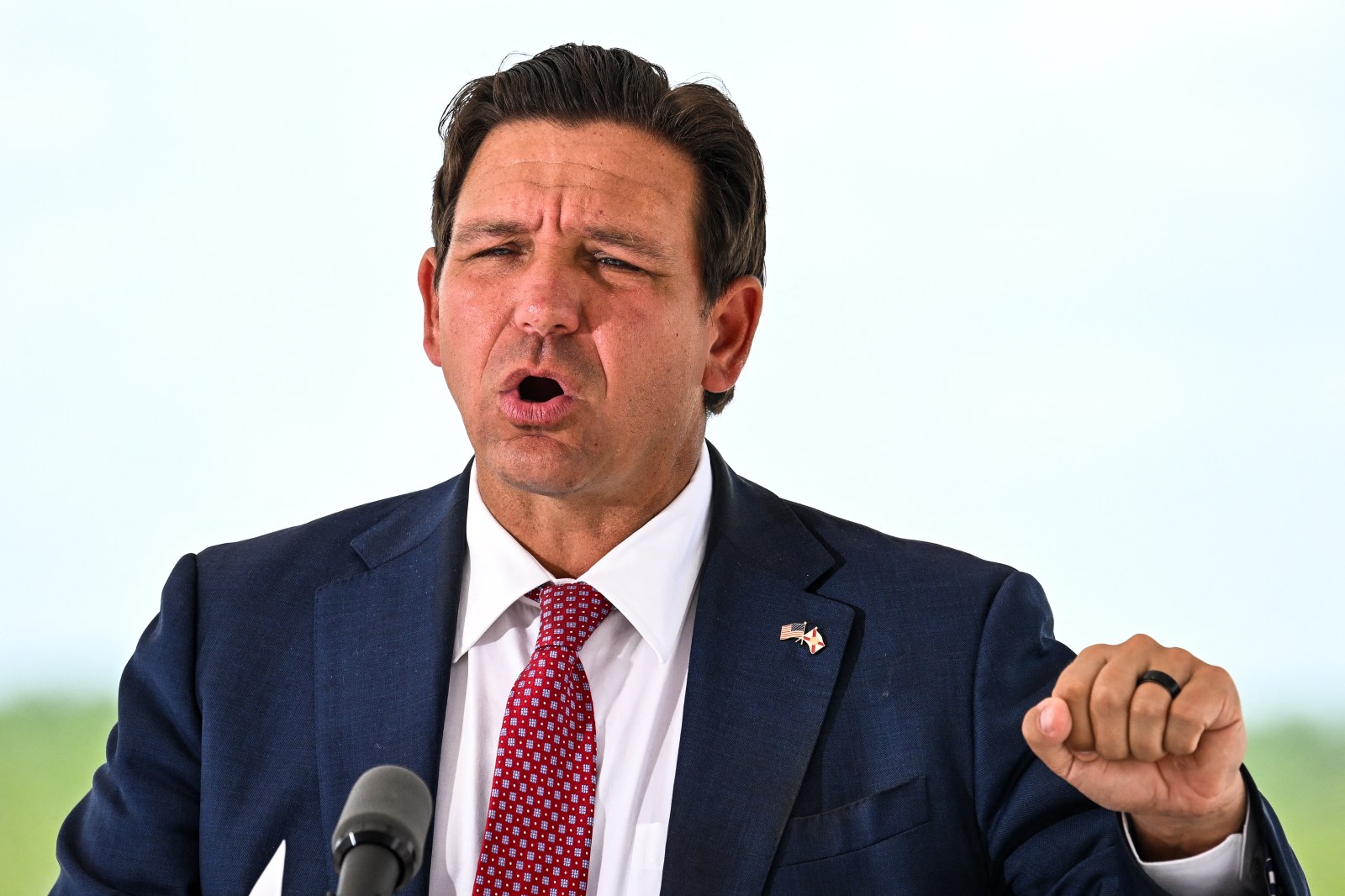
Florida Governor Ron DeSantis has joined a growing number of Republicans voicing concerns over Flock Safety’s automated cameras. He emphasizes that the technology might be overreaching and calls for enhanced privacy protections. DeSantis argues that public concerns about data collection and sharing justify a comprehensive policy overhaul. The cameras, he states, are ‘out of control,’ and while law enforcement should have effective tools against crime, he does not support transforming Florida into a surveillance state.
DeSantis believes in targeting criminals but insists on safeguarding the general public’s privacy, describing widespread surveillance as problematic. Craig Agranoff, a political professor, notes that DeSantis’ comments align with bipartisan skepticism over the rapid growth of automated license plate readers. Despite his support for law enforcement tools, DeSantis appears wary of a surveillance state.
Agranoff highlights ongoing concerns about data retention, access, and the prevalence of cameras, echoing sentiments among conservatives and privacy advocates. The call for legislative limits mirrors DeSantis’ push for AI regulations, signaling cautious boundaries around continuous public tracking.
Newsweek reached out to DeSantis’ office for further comments.
A surge in Republican opposition arises amid reports that more than 120,000 camera locations exist nationwide, according to privacy-focused mapping site FlockHopper, which tracks various automated license plate reader cameras.
Flock Safety CEO Garrett Langley advocates for balancing public safety with privacy, defending the technology’s crime-solving potential while acknowledging misuse concerns. Langley backs stronger safeguards and accountability measures.
Flock Safety recently unveiled new privacy measures, reducing default data retention to seven days, and implementing misuse detection alongside enhanced transparency. Proponents argue the cameras assist police in investigations and emergency responses, but critics increasingly question data collection, access, and surveillance implications for unsuspicious individuals.
Missouri Senator Josh Hawley spearheads federal scrutiny, launching a formal investigation into data access and management by Flock. This extends the debate beyond state and local governance.
Local governments are also responding. Tempe, Arizona, plans to terminate its Flock camera contract, citing misuse risks over potential benefits. The city had recently restricted outside agency access to its camera data.
Vermont Senator Bernie Sanders condemns Flock, warning of the company’s AI-powered cameras as potential mass surveillance threats compromising privacy and civil liberties. Sanders intends to propose legislation to halt AI-led mass surveillance.
Republican criticism is building a bipartisan coalition concerning surveillance and privacy. Although Flock and law enforcement agencies praise the cameras for public safety, the surveillance discourse is attracting varied political resistance.
- Recent Republican Critics:
- Ron DeSantis
- Josh Hawley
- Greg Steube
- Brian Harrison
- Thomas Beach
Additional Republicans previously advocating for camera regulation include:
- Scott Perry
- Keith Self
- Eli Crane
- Andrew Clyde
- Thomas Massie
- Tim Burchett