
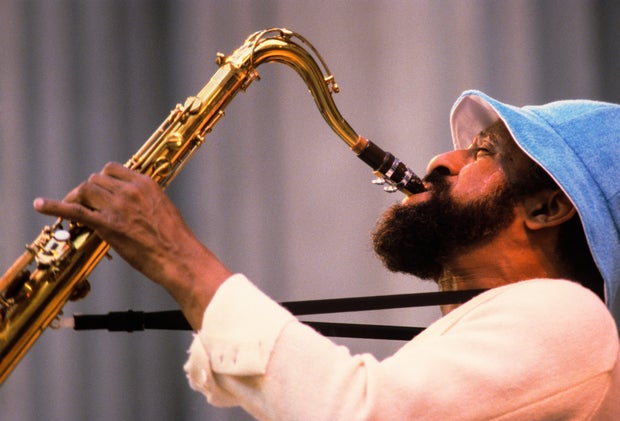
Sonny Rollins, the iconic tenor saxophonist, left a profound impact on jazz with his innovative style and relentless creativity. He passed away on Monday at the age of 95 in Woodstock, New York. Spokesperson Terri Hinte confirmed his death but did not specify the cause. Rollins had been mostly homebound in recent years due to health issues.
Early Life and Musical Beginnings
Born on September 7, 1930, in Harlem, Theodore Walter Rollins grew up in a musical family. His father played the clarinet, while his siblings played piano and violin. Drawn to music from an early age, Rollins was particularly captivated by the saxophone. By age 11, he had convinced his parents to buy him an alto saxophone, and his talent flourished despite limited formal lessons.
His musical career took off in his late teens when he joined Thelonious Monk’s band. Rollins quickly became a sought-after musician, performing with legends like Miles Davis and Bud Powell.
Challenges and Triumphs
Rollins’ journey was not without difficulties. Like many jazz musicians of his era, he struggled with heroin addiction, which led to stints in jail and time living on the streets. However, after seeking treatment in 1954, he emerged with renewed determination and philosophical insight into life.
Artistic Evolution
Rollins’ unique sound first gained prominence with the 1956 album “Saxophone Colossus.” During his career, he experimented with various styles, from hard bop to free jazz, always pushing the boundaries of his art.
Rollins famously spent two years in seclusion on a Williamsburg Bridge walkway, focusing intensely on his craft. When he returned in 1961, he embraced the evolving sounds of the jazz world, though not without dividing his audience.
Legacy and Honors
Though Rollins retired from performing in 2014 due to pulmonary fibrosis, his influence on the jazz world endured. He released numerous critically acclaimed albums throughout the 1990s and 2000s and continued to inspire new generations of musicians. In 2001, he won a Grammy for “This is What I Do,” and another in 2006 for his solo on “Why Was I Born,” recorded just after the 9/11 attacks.
Rollins became a Kennedy Center Honoree at age 81, further cementing his status as a jazz legend. Even with many unreleased recordings left behind, his legacy speaks through his profound impact on the musical landscape.
Sonny Rollins’ survivors include his nephew, Clifton Anderson, and nieces Vallyn Anderson and Gabrielle DeGroat.