
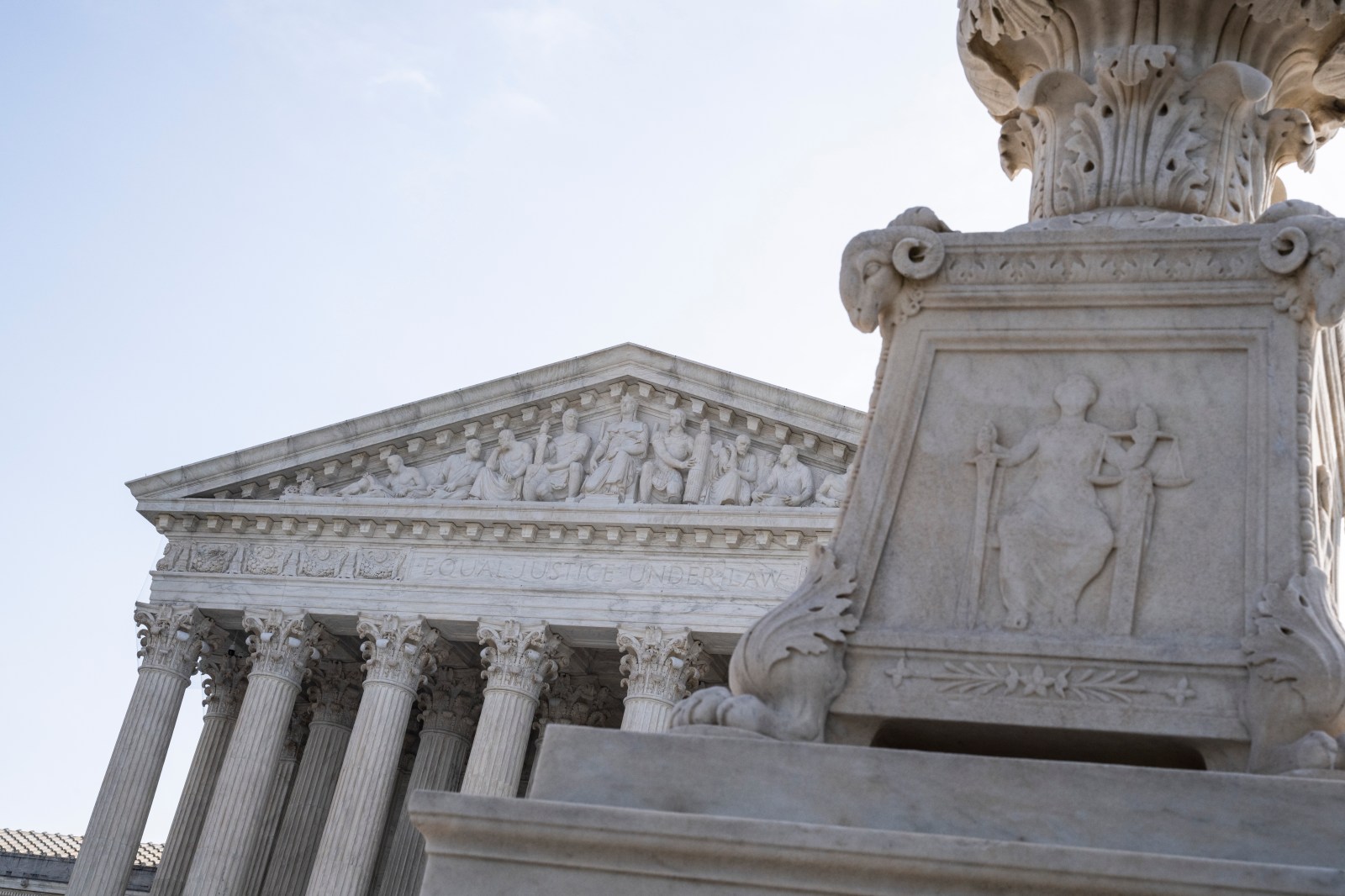
In the Federalist Papers, Alexander Hamilton referred to the judiciary as the “least dangerous” branch of government, given its lack of influence over finances or military power. Initially, the Supreme Court handled very few cases, working in borrowed spaces within the U.S. Capitol building. At that time, some individuals even declined nominations due to the role’s limited prestige.
Today, Supreme Court justices earn over $300,000 annually, benefiting from personal offices, security, and staff. Appointed for life, some current justices might serve through nine presidential terms. Their decisions now affect nearly every aspect of American life as they rule on roughly 80 significant cases each year. Recent decisions have challenged long-standing precedents on critical issues like reproductive rights and affirmative action, often reflecting ideological divides.
These judgments occur against a backdrop of ethical concerns surrounding the justices. Justice Clarence Thomas reportedly received luxury trips without proper disclosure. Justice Samuel Alito accepted gifts from a billionaire whose cases later appeared before the court. Justice Neil Gorsuch recently promoted his book on Fox News, earning him a $250,000 advance. Justice Ketanji Brown Jackson has also promoted her book, with earnings exceeding $2 million. All conservative justices recently attended a White House dinner hosted by an administration frequently involved in Supreme Court cases.
Amid these issues, the court faces a severe crisis of confidence. A recent Marquette analysis found that less than half of Americans trust the court, with its approval rating at a near-record low of 42 percent. Public calls for reforms are growing.
One proposed reform is the introduction of term limits, supported by 75 percent of Americans, including Democrats, Independents, and Republicans. This approach aims to address concerns about the court’s accountability and structure, factors uncommon in other major democracies. Life appointments result in divisive confirmation hearings, strategic retirements, and a court increasingly disconnected from public sentiment.
In response, the ROBE (Reform of Bench Eligibility) Act suggests a constitutional amendment setting 18-year term limits for Supreme Court justices. This change promises regular, predictable turnover, lowering the stakes of any single appointment. It could diminish incentives for political maneuvering and ensure a balanced appointment process for each presidential term.
Some colleagues propose statutory fixes for term limits, but these are temporary and susceptible to repeal. Statutory changes might also face legal challenges, potentially leading to a Supreme Court ruling against its own term limits.
A constitutional amendment offers a permanent solution, establishing a clear and unchallenged standard. Such an amendment requires broad consensus, fostering thoughtful and systemic reform. Though an 18-year term limit won’t solve all issues immediately, it is a step toward restoring trust in a judiciary perceived as straying from its democratic foundations.
Johnny Olszewski, a Democratic representative from Maryland, advocates for this change through a constitutional amendment, emphasizing the necessity of comprehensive reform.