
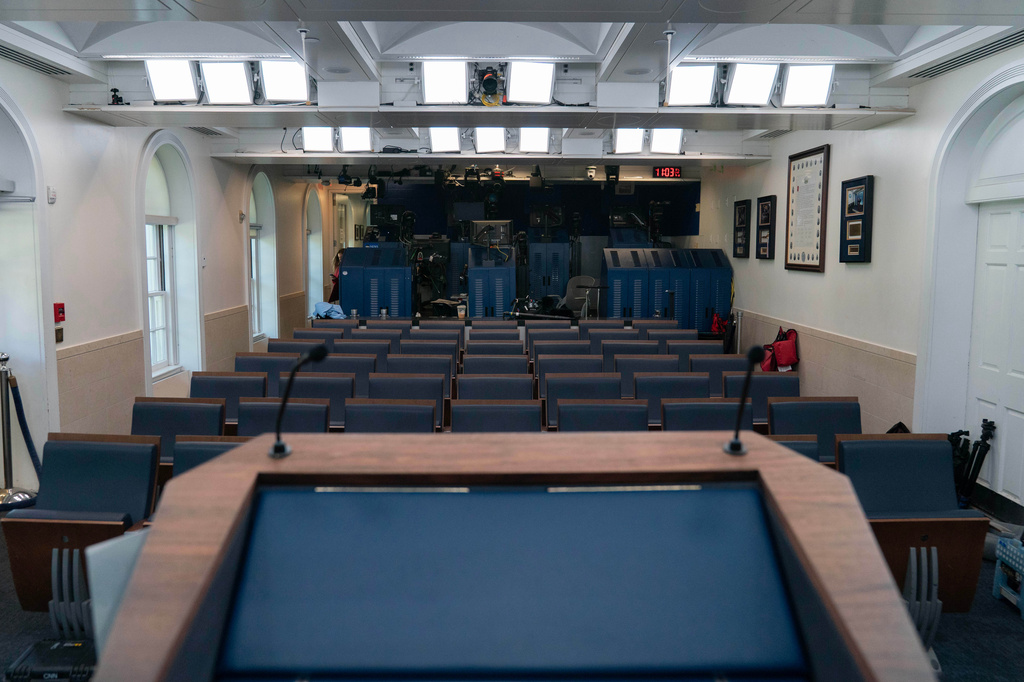
The James Brady Press Briefing Room at the White House holds a unique place in American history. On September 19, 2026, it became the backdrop for witnessing the shortest press secretary tenure in U.S. history: a mere five days. Soon, a new individual will assume this challenging role, stepping up to one of the most demanding positions in American public life.
Jim Brady’s legacy is deeply ingrained in this role. Brady, whom I knew personally and admired, was a central figure during my eight years in the Reagan White House press office. Three different individuals occupied the press secretary’s podium during my tenure, each imparting valuable lessons crucial for success in this position.
Brady taught an essential lesson: viewing the press as a tool rather than an adversary. Although he held the role for only ten weeks, a bullet intended for President Reagan changed his life forever. Nonetheless, his influence on the role endured. Known for his quick wit, humor, and genuine nature, reporters appreciated Brady’s approach. He understood that the briefing room serves as a platform for the government to communicate with citizens and that the questions from reporters facilitate this dialogue.
“The press is an instrument, not an enemy,” Brady once said.
President Reagan demonstrated loyalty by retaining the title of press secretary for Brady after the shooting. During the remaining years of his administration, Larry Speakes and Marlin Fitzwater performed the duties of the press secretary under different titles, honoring Brady’s role. This gesture illustrated that the position is larger than the individual holding it.
Speakes imparted the importance of preparation. He took to the podium on March 30, 1981, during an intense moment—the president undergoing surgery—continuing the role for six years. Speakes’s strategy emphasized that preparation is crucial, stressing the significance of understanding morning headlines, overnight developments, and thorough fact-checking.
Fitzwater emphasized credibility. Serving under two presidents with differing personalities, he gained the trust of the press corps by maintaining honesty. He made it clear when he could not disclose information rather than providing falsehoods. His credibility was a key asset, making him the president’s most trusted spokesperson.
“Your credibility is the president’s asset; spend it wisely,” Fitzwater advised.
The press secretary’s role involves balancing responsibilities to the president, the press, and the public. This requires unwavering credibility, which is crucial for navigating differing demands.
A few pieces of advice for future press secretaries:
- Brief frequently; the room is meant for use.
- Prepare diligently, as facts are more vital than questions.
- Avoid guessing, and rectify mistakes promptly.
- Learn from reporters, as they often possess invaluable insights.
- Support the president while remaining genuine, not simply echoing their sentiments.
It is imperative to maintain professionalism, avoiding discourtesy to reporters as a spectacle, as it damages the credibility of the briefing room. Respect for the room and the nation is paramount.
Ultimately, the room honors Brady’s contributions, embodying the belief that the presidency must communicate transparently with the press, as it belongs to the public. As new individuals take on the press secretary role, it is important to recognize the room’s symbolic weight—a promise of transparent and honest communication.
Mark Weinberg, the author of “Movie Nights with the Reagans” and founder of Ethos, served as a speechwriter for President Reagan and worked in the White House press office for eight years.