
Karoline Leavitt to Leave White House
Karoline Leavitt, at 28, holds the title of the youngest White House press secretary. She will exit her role with the Trump administration by month-end to focus on her family. Leavitt described the decision as ‘bittersweet’ in a social media post following President Donald Trump’s announcement of her resignation. After returning from maternity leave in May, she determined she couldn’t balance her responsibilities at the White House with those of raising her two young children. Trump’s plans for her replacement remain undisclosed.
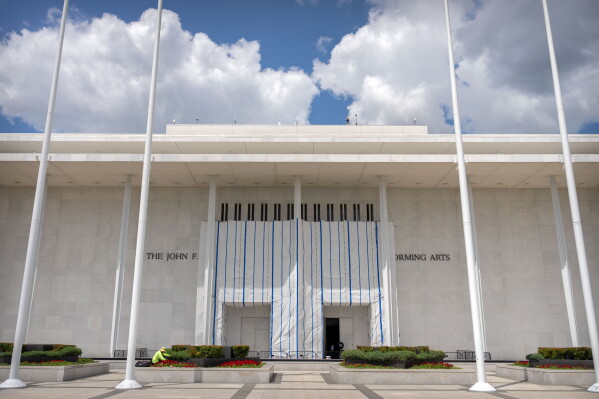
Kennedy Center Board’s Decision on Venue Plans
The Kennedy Center’s board will convene on Thursday to discuss future plans for the venue after a judge halted a proposed two-year closure aimed at extensive renovations. Management intends to propose three options: a full closure, a partial closure maintaining some public access and limited programming, or phased closures addressing critical infrastructure needs while continuing a full programming schedule. Earlier closure plans were blocked, with a judge suggesting the board’s previous decision appeared to lack proper consideration. As the board is predominantly Trump allies, thorough evaluation of options will be crucial.
Security Measures for Trump and Senior Cabinet Members
Last month, Secretary of State Marco Rubio and Treasury Secretary Scott Bessent flew from a NATO summit in Turkey on a decoy plane due to an Iranian threat. President Trump was discreetly transferred to a smaller military jet. A senior U.S. official disclosed this information, emphasizing stronger security measures for Trump compared to top Cabinet members. Rubio and Bessent were reportedly aware of the threat and decoy plan, but specific reasons for their actions remain unshared. The U.S. Constitution places the secretaries of State and Treasury high in the presidential line of succession.
Trump’s Vaccine Plan and Public Health Responses
President Trump’s recent directive involves separating combination vaccines, like the MMR, into separate shots and spacing them out. This has faced criticism from public health experts due to potential logistical and financial strains. The plan would require pharmaceutical companies to produce individual vaccines not marketed separately for decades, necessitating new manufacturing facilities. Parents would face more frequent clinic visits for vaccinations, increasing healthcare costs and resource strain. These challenges accentuate the plan as being significantly demanding for families, healthcare providers, and drugmakers.