
Randy Levine, President of the New York Yankees and Vice Chair of the ‘Saving College Sports’ Board, recently discussed the current state of college sports. In a conversation with Brian Kilmeade, Levine highlighted the challenges posed by name, image, and likeness (NIL) deals, a chaotic transfer portal, and issues related to athlete eligibility. These factors are increasingly impacting student-athletes and placing financial strain on universities.
According to Levine, efforts are underway to find legislative solutions, with former President Trump aiming for a bipartisan fix within 90 days. The future of college football remains a topic of debate, with key figures from major conferences discussing the implications of NIL. As the federal government considers potential legislation, different perspectives are emerging.
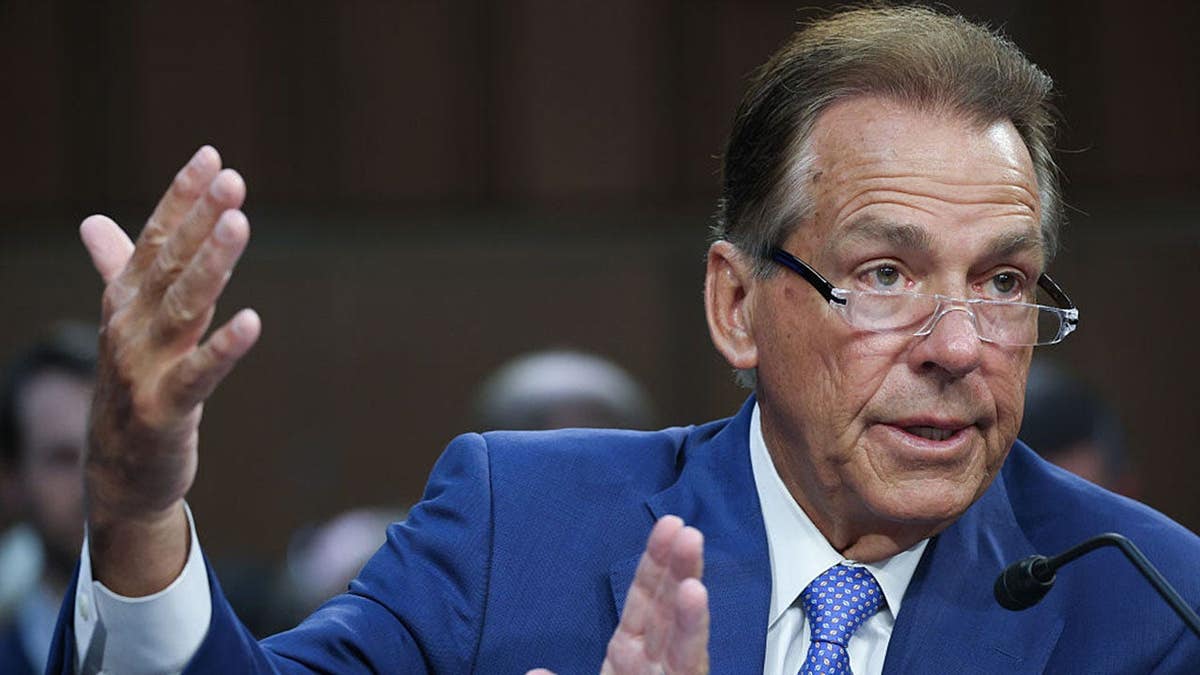
Nick Saban, former head coach of Alabama’s Crimson Tide, presented his views to Congress, emphasizing concerns about the unlimited transfer portal and the escalating spending in college football. He argued that the current system risks turning college sports into a bidding war for recruits, straying from traditional values.
Saban urged the Senate to pass legislation addressing these challenges. Pete Bevacqua, the athletic director for the Notre Dame Fighting Irish, echoed Saban’s sentiments, expressing concerns about the allocation of resources in college football. He suggested that excessive spending would lead to a few elite schools dominating the sport, potentially turning it into a ‘mini-NFL.’
Saban and Bevacqua both raised important points about college football’s current dynamics. However, historical data shows that dominant programs have long been the norm. Since 2000, national champions have mostly been well-established teams like Alabama, Ohio State, and Georgia. Contrary to the fears of NIL excluding smaller schools, Indiana’s recent success demonstrates a shift.
NIL acts as an equalizer, offering teams like Indiana and Texas Tech a chance to compete at a national level. While coaching and other factors still play a significant role, NIL provides unique opportunities for recruitment. It’s argued that without NIL, players like Fernando Mendoza might not have chosen less traditional programs.
Despite some schools lacking top-tier NIL budgets, expensive rosters do not guarantee success. Texas, for example, had a highly valued team in 2025 but did not make the playoffs. College football often romanticizes the past, ignoring the reality of existing disparities. Addressing NIL won’t necessarily lead to lesser-known schools winning championships. Ironically, successful programs like Oregon have thrived through significant financial backing, a strategy that mirrors what NIL now offers.