
A London-based research group has suggested forming a coalition of countries to manage the Strait of Hormuz, drawing on a historical European pact for coal and steel as inspiration.
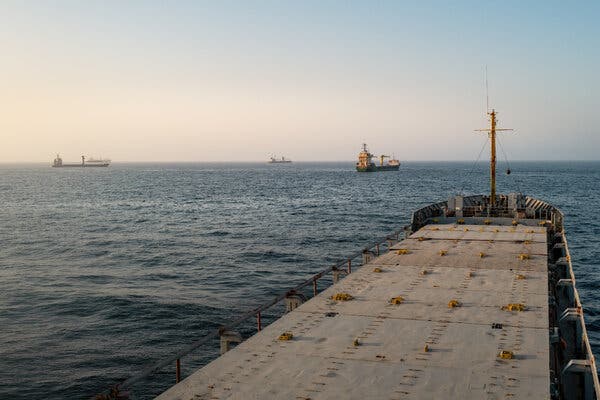
Last month, oil tankers and cargo vessels anchored off the coast of Oman amid a blockade of the Strait of Hormuz, highlighting ongoing tensions. These tensions have shifted focus from the longstanding U.S.-Iran conflict over nuclear issues to Iran’s control over this key waterway.
The Strait of Hormuz is crucial, as it sees a fifth of the world’s oil supply pass through it. Recently, renewed Iranian strikes on commercial ships have reduced shipping traffic, despite President Trump’s claims that the strait is open.
Diplomatic efforts have faltered, with the U.S. and Iranian forces exchanging attacks in the region. Military experts believe that using force to open the narrow passage during conflict poses significant risks.
A research group has proposed a compromise for the Persian Gulf, inspired by a defunct treaty that collectively managed Europe’s coal and steel production post-World War II. This proposal, detailed in a recent report, suggests treating the Gulf as shared territory and charging only oil tankers a fee for maritime upkeep.
This approach could align with international law, meet Tehran’s desire for control, and involve the eight Gulf states in maintaining peace, according to the group.
Esfandyar Batmanghelidj, CEO of the Bourse & Bazaar Foundation, highlighted the need for basic cooperation to pave the way for lasting regional peace. “Without this foundational cooperation, progressing on larger issues will remain challenging,” he stated in an interview.