
Rapid Growth of Private Schools
State legislatures are increasingly directing public funds to private schools, significantly boosting their numbers. A ProPublica investigation highlights this trend across the U.S., showing states’ reluctance to regulate who operates these institutions or assess their quality. Consequently, private schools are expanding rapidly, fueled by taxpayer dollars, but often lack accountability.
Lax Oversight and Troubling Histories
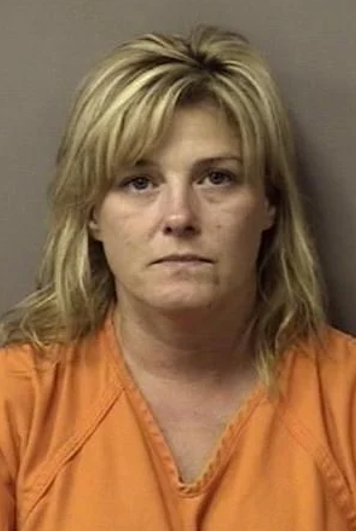
Various instances reveal concerning operator backgrounds. In Florida, a former public school teacher opened a private school despite losing her license due to sexual abuse charges. Another case involves a former Ohio charter school official, accused of mismanagement, starting a school in Florida. These situations display states’ indifference to the past misconduct of private school founders.
State Regulations Fall Short
Many states do not track private school numbers or locations, diverting millions to voucher programs. For example, Arizona’s top education official praised Mike Tyson’s involvement in a private school, despite his past criminal record. Some states, like Arizona, are legally restricted from overseeing private schools.
Vouchers and Funding Proliferation
As more states implement programs allowing public funds for private schooling, the number of private schools rises significantly. From 13 states with available data, ProPublica identified over 1,500 new private schools in recent years. This surge affects public schools, which face declining enrollments and closures. Notably, Florida saw the launch of approximately 100 new private schools annually over the last five years.
Educational Freedom vs. Limited Access
Voucher programs aim to grant more students access to private education. However, these schools often exclude students with disabilities, sparking criticism. Private schools, even when fully funded by public dollars, evade the scrutiny applied to public schools, creating concern about the future of the public education system.
Challenges in Oversight and Accountability
In states like West Virginia and Arkansas, legislative attempts to enhance private school transparency and accountability failed. Existing regulations are weak, focusing more on preserving the autonomy of private institutions than on ensuring educational quality and safety.
Florida’s Minimal Regulatory Approach
Florida law explicitly minimizes regulation over private schools, enabling individuals with concerning backgrounds to operate schools with ease. Advocates of privatized education argue that stringent regulations would deter private schools, yet critics emphasize the risks of reduced oversight.
Case Studies Highlight Issues
Lisa Helton’s case illustrates the loopholes in the system. After a controversial record in Ohio, she moved to Florida, adopted a new name, and established a private school, benefiting from state scholarships. Similarly, Tara Salute, with a history of sexual misconduct, started a school in Florida, raising concerns among locals.
Call for Action
ProPublica encourages the public to share experiences with voucher programs and private schools to better understand the national educational landscape. Stories of lack of access, discrimination, or misuse of funds are particularly valuable to their ongoing research.