
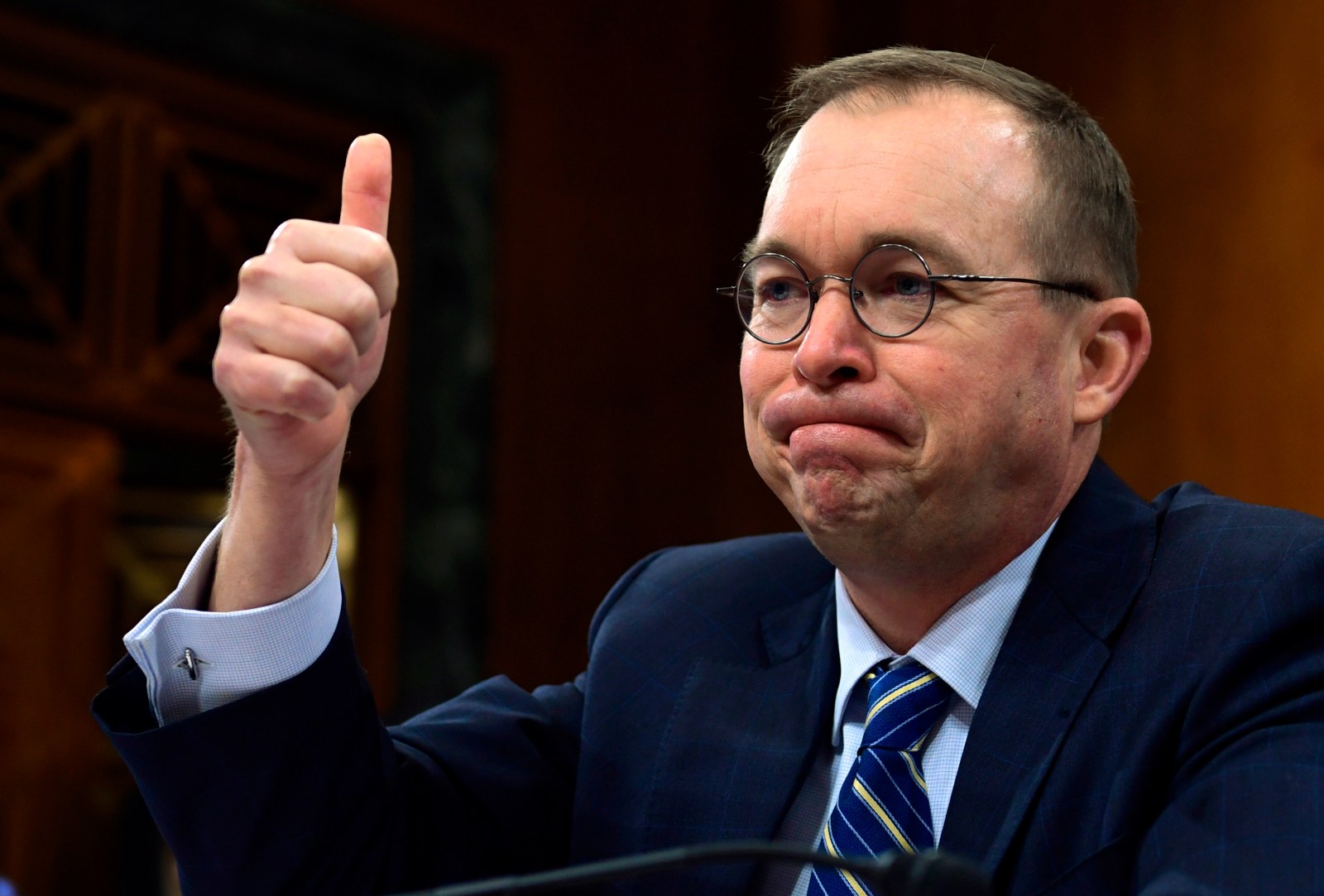
President Donald Trump is encountering increased scrutiny regarding his strategy with Iran. Nearly six months into a military campaign that was initially pitched as a brief engagement, the administration is still advocating for a diplomatic resolution. Trump consistently insists that negotiations with Tehran are approaching agreement, while cautioning about potential military escalation if Iran does not meet his demands. These conflicting messages have drawn sharp criticism from former allies, including ex-White House chief of staff Mick Mulvaney, who warned about the administration’s credibility in managing this conflict.
Credibility Issues Raised by Mulvaney
Mulvaney, who served as Trump’s chief of staff from January 2019 to March 2020 and later as a special U.S. envoy, resigned after the January 6 Capitol riot. Speaking on the Australian news outlet News24, Mulvaney highlighted inconsistency in Trump’s approach. He stated that the administration’s vacillation between threats and claims of diplomatic progress has left international partners uncertain about U.S. objectives.
When questioned about a possible deal with Iran, Mulvaney expressed doubt, saying: “We don’t have any clue.” He further remarked that these mixed signals could undermine credibility with all major players involved and stressed the importance of demonstrating “real progress” to restore confidence.
Trump’s Shifting Position on Iran
Critics argue that President Trump’s strategy has shifted multiple times, alternating between threats of overwhelming force and the possibility of diplomatic breakthroughs. Since April, there have been five instances where planned airstrikes were called off, supposedly to make room for negotiations. Recently, Trump indicated readiness to launch a substantial military operation but paused, citing requests from Iranian and regional figures.
Iran disputes this version of events, denying that any talks are underway. These reversals fuel ongoing debate about whether U.S. threats lead to concessions or signal hesitancy for full escalation.
Trump’s Words on Rapid Negotiations
During a press briefing, Trump expressed belief that discussions with Iran might resolve swiftly. He emphasized the importance of reopening the Strait of Hormuz, suggesting it could happen quickly, while acknowledging that addressing Iran’s nuclear ambitions would be lengthier.
Trump maintained that exerting maximum pressure is crucial for achieving a settlement. Yet, his communication reflects frustration over Tehran’s public denials of negotiations. On Truth Social, he criticized Iranian leadership for alleged falsehoods about the discussions, asserting that the U.S. controls the narrative until a resolution is reached.
Internal Republican Debate on Strategy
The strategy towards Iran has sparked varying opinions within the Republican ranks. Former Vice President Mike Pence, in a Fox News segment, predicted that Trump might eventually rely more on military action rather than diplomacy. Citing Iran’s behavior, Pence expressed confidence that Trump would reach a point where he would opt for military intervention.
Conversely, Trump insists on preferring diplomatic efforts to prevent escalated casualties and achieve strategic objectives. Notably, a Fox News poll shows skepticism among respondents over the likelihood of a successful U.S.-Iran agreement, whereas some foresee an unfavorable settlement.
Meanwhile, GOP Representative Mike Turner expressed concerns on CBS News’ Face the Nation about the insufficient level of information shared with Congress regarding the conflict in Iran and other national security issues. Turner called for greater transparency from the administration as both legislative bodies seek improved communication about these critical developments.