
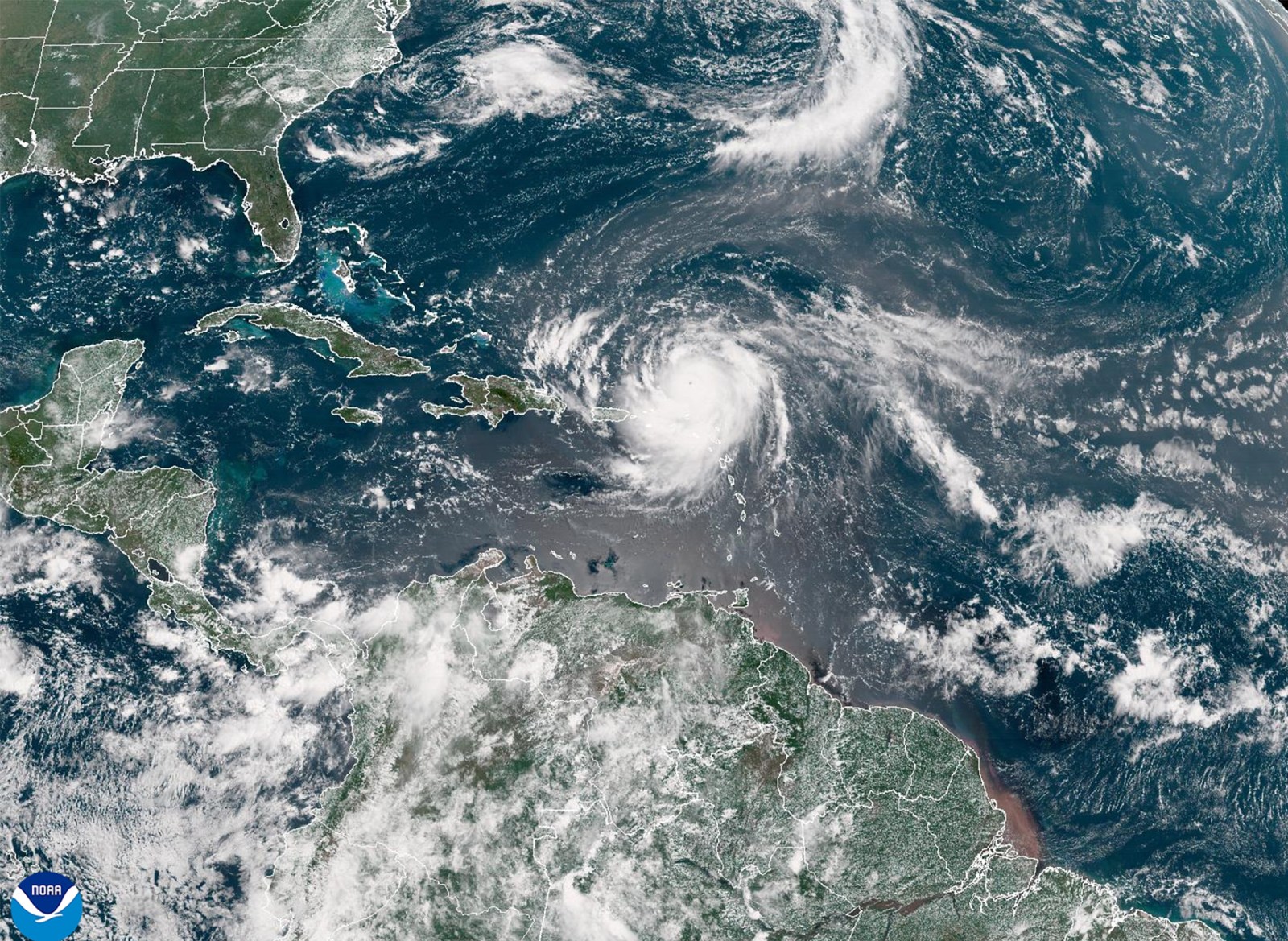
The Atlantic basin is on the brink of a historic hurricane-free season, with meteorologists monitoring closely as the season draws to an end. According to AccuWeather, no hurricanes have formed so far, marking an unprecedented event if this continues until November.
El Niño’s Impact
This rare phenomenon coincides with strengthening El Niño, a climate pattern known to affect global weather, especially hurricane formation. Federal meteorologists reported a 90% probability that El Niño will become exceptionally strong during the fall and winter. Historically, El Niño leads to fewer hurricanes in the Atlantic due to increased wind shear and shifting weather patterns.
El Niño, the warm phase of the El Niño-Southern Oscillation (ENSO), contrasts with the cooler La Niña phase. The current El Niño phase is disrupting typical hurricane patterns, creating stormier weather in the Southern U.S. but reducing hurricane activity in the Atlantic.
“El Niño conditions are associated with fewer tropical storms and hurricanes,” stated Matthew Rosencrans from NOAA.
Unusual Season
In an email to Newsweek, AccuWeather expressed surprise at the lack of hurricanes by September 10, noting the historical significance. Alex DaSilva, AccuWeather’s hurricane expert, described the season as exceptional due to the ongoing powerful El Niño effects.
The Atlantic has only recorded two seasons without hurricanes, in 1907 and 1914, long before modern satellite technology. The latest hurricane on record during the satellite era formed on September 11, in both 2002 and 2013.
Current Conditions
This year, five named storms have emerged but none reached hurricane strength, impeded by wind shear, dry air, and Saharan dust.
Despite the absence of hurricanes, AccuWeather warns that tropical storms and rainstorms still pose risks such as flooding, strong winds, and rough seas. The season remains active until November 30, with low chances for hurricane development in October and November.
Challenges for Late Storm Formation
Historical data indicates that 24% of Atlantic hurricanes since 1966 formed after September, reducing to 19% during El Niño years. Nicholas Arman, AccuWeather meteorologist, pointed to increasing wind shear as a major barrier, alongside cooling ocean temperatures and reduced solar energy impacting storm growth.
These dynamics could prevent or limit late-season hurricane development, despite potential tropical disturbances in fall.