
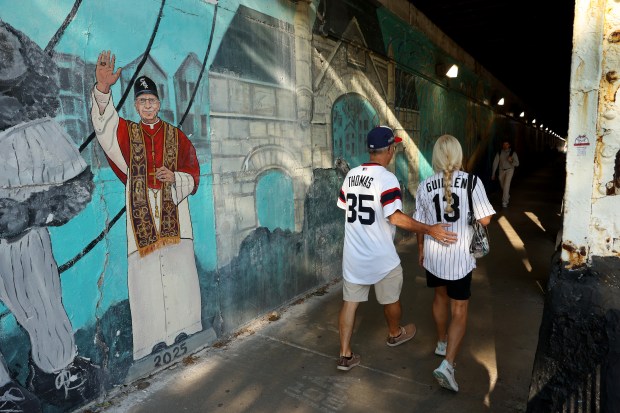
The Chicago White Sox, whether or not they reach far into the playoffs, have left their mark this season. Two years after their record 121 losses, they are now in the postseason. Fans have returned, with attendance and TV ratings climbing. This is driven by innovative promotions, like Pope Hat night, which have captivated audiences.
Chicago’s first pope has publicly supported the White Sox, further boosting their popularity. “Everyone knows who we are,” remarked Brooks Boyer, White Sox executive vice president and chief marketing officer. He declared the team as ‘America’s team’ for the moment.
Historical context adds flair to this moment: both the Cubs and White Sox are in the playoffs simultaneously for only the fourth time ever. But while the Cubs were expected to succeed, the Sox emerged from three consecutive 100-loss seasons to exceed everyone’s expectations.
Boyer and his team capitalized on this momentum. They engineered the Pope Hat giveaway, echoing the Disco Demolition riot nearly 50 years ago. Marc Ganis, a Chicago sports business consultant, remarked, “People are still talking about it. When was the last time anyone talked about a Sox promotion?”
This season, the Sox led their division for much of the summer, securing a wild-card spot. They hope to extend their magical season in Houston. The on-field success has driven attendance to nearly 2 million at Rate Field, a 40% increase over the previous year. TV ratings also soared, with viewership more than doubling to 60,400 per game, according to Nielsen.
“Winning games and being in a pennant race is the single most important thing after three 100-plus-loss seasons,” noted Ganis. He added that promotional efforts can enhance this success, achieving legendary status in the process.
The team already had traditional giveaways ready for the season, but honoring Pope Leo XIV, a diehard Sox fan and the first American pope, became an opportunity. Plans initially included 1,500 Pope Hat giveaways for the August 11 game against the Reds. Interest surged, and sales jumped to 400 tickets per hour. The Sox increased the Pope Hat count to 3,000 and eventually decided to give one to everyone in attendance, upping the order to 40,000 hats.
Boyer acknowledged the risk involved in this $200,000 endeavor, but it paid off.
On August 11, the game against the Reds sold out, distributing nearly 40,000 Pope Hats. “It was really a unifying night,” Boyer said. Although the Sox lost the game, fans left feeling they had experienced something unique.
The Pope Hat giveaway captured the moment’s spirit, recalling 1979’s Disco Demolition at Comiskey Park. Unlike the chaotic past event, the Pope Hat promotion generated positive global media coverage. Tim Calkins, a marketing professor at Northwestern University, described the event as a promotional triumph. The Sox recognized what would connect and leveraged the opportunity.
Meanwhile, Pope Leo XIV continues to support the team, sending a letter before the Sox won the first wild-card game against Houston. If the Sox advance, they plan a ‘blackout’ promotion, encouraging fans to wear black to intimidate visiting teams. But expect many Pope Hats to reappear, leaving a lasting impact.
Ganis anticipates a long playoff run and robust marketing could lead to more ticket sales and higher TV ratings next season. He also highlighted the unusual coincidence of having a pope as a devoted fan, saying, “You can’t make that stuff up.”