
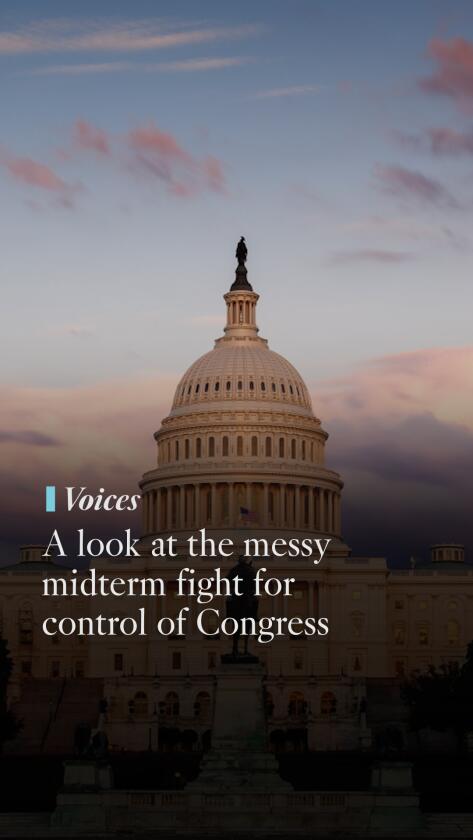
The current political landscape in the United States is marked by intense competition. There are ongoing debates and legal challenges that have significant implications. The midterm elections are approaching, fostering political strategies aiming to sway outcomes.
Political Strategies and Gerrymandering
Efforts to redraw congressional districts are rampant. This began with President Trump pressuring Republican lawmakers in Texas to revise their congressional map, hoping to favor the GOP in the House. In response, California voters adopted measures to support Democratic candidates. This rivalry extended to Virginia, where voters approved new district lines to potentially secure more seats for Democrats.
The Virginia Supreme Court changed the situation by invalidating the state’s new map, criticizing procedural oversights. More critical was the U.S. Supreme Court’s decision to nullify portions of the Voting Rights Act. This allowed Southern states to redraw districts favoring Republicans.
Outcomes and Competitive Districts
The GOP appears to gain marginally from these developments. However, gerrymandered maps do not guarantee electoral victories. In California, Republican David Valadao’s district remains competitive. In Texas, shifts in Latino support make some redrawn districts less secure for Republicans.
The Fight for Congressional Control
Predicting outcomes remains complex. Democrats need three additional seats to regain control of the House. Historically, the party not holding the presidency gains seats in midterms. Poor approval ratings for President Trump could impact the Republican party’s performance negatively.
Political analyst Jacob Rubashkin notes that without a popular Republican president, the party may struggle to counteract historical trends favoring the opposition.
Senate Dynamics and Challenges
In the Senate, Republicans hold advantages. Democrats aim to flip four seats amid 35 races, with ten deemed competitive. Most of these are in states won by Trump. Nonetheless, Democrats have strategically positioned candidates in traditionally Republican states like Alaska, Ohio, and Iowa. These races are now more competitive.
Specific State Races
Maine’s Senate race remains tightly contested. Susan Collins, the incumbent Republican senator, faces a challenge in a Democrat-leaning state. The Democratic contender’s profile, however, is sparking mixed reactions.
In Texas, Democrats hope to overcome historical challenges by endorsing state Sen. James Talarico. He faces Ken Paxton, a controversial Republican candidate with a clouded past, creating a potentially dynamic race.
Electoral prospects in Texas are uncertain. Success for Democrats in this traditionally Republican stronghold would be akin to an extraordinary last-minute play.