
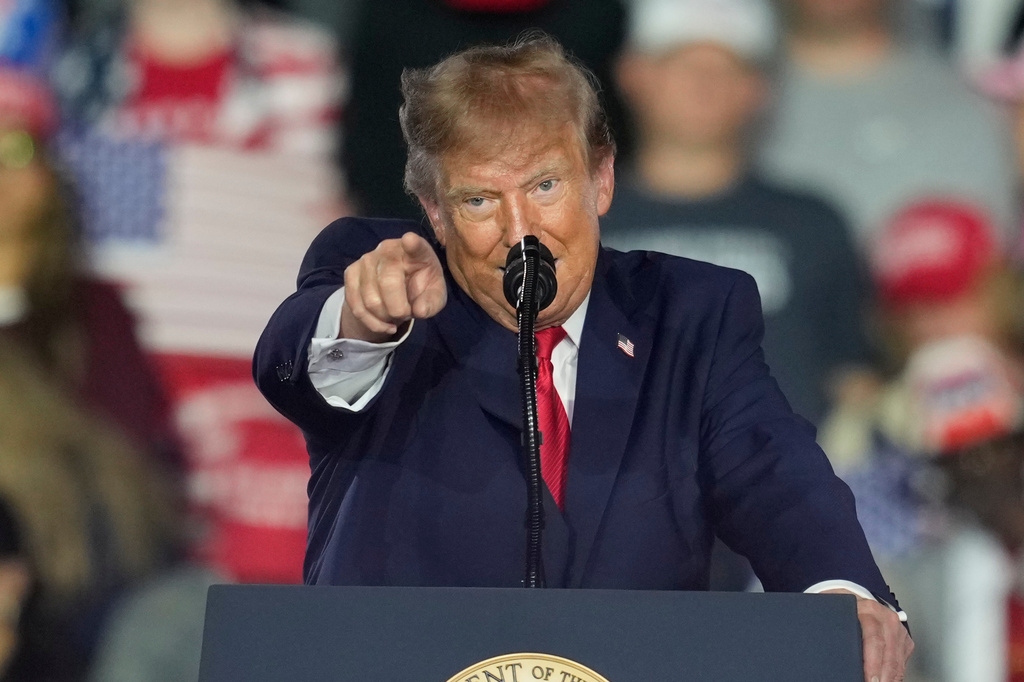
President Donald Trump engaged with supporters during a campaign rally in Dubuque, Iowa. This event highlighted the political atmosphere in the U.S. as elections approach. Political campaigns often accompany major sports events, leading to a unique mix of entertainment and political discourse. Television viewers, especially those invested in sports, frequently encounter political ads during commercial breaks. These ads raise questions about social and cultural issues in America.
Exploring Political Messaging
There is a prevailing narrative within some political campaigns aimed at invoking fear among certain demographics. Specifically, the messaging often targets conservative men who are portrayed as fearing individuals different from themselves. This includes groups like Transgender Americans and Muslim Americans. Campaign funding reaches substantial amounts, exceeding $180 million, to address issues like the rights of transgender individuals.
The depiction of transgender people in political ads contrasts with the limited encounters many individuals may have with them. People from diverse backgrounds, like the author, may cross paths with only a few transgender individuals in their lives. Such experiences seldom align with the fears projected by political rhetoric. Transgender people often become friends rather than sources of fear.
Impact on Muslim Americans
Muslim Americans frequently find themselves targets in political discourse. Allegations of impending Sharia law or Islamist takeovers prevail in campaigns despite lacking evidence. Historical claims remain unfulfilled, nor has legislation shifted drastically. Communities with high Muslim populations show no signs of extremism that political ads suggest.
Masculinity and Modern Challenges
The 2024 elections saw significant support from young men for Donald Trump. Issues such as masculinity contributed to this support. Despite views that masculinity faces challenges in America, social narratives can amplify these perceptions. Men’s mental health concerns, educational attainments, and economic challenges are significant factors. The suicide rate among men, especially white males, is concerning.
Social conversations about masculinity often veer into negative territory, painting all masculinity with a broad brush. Ads and discussions sometimes criticize men’s roles without acknowledging the nuances of individual experiences. Corporations and social media discussions add to this confusion, often without offering constructive solutions.
Rhetoric from the Right
Republican narratives around masculinity exploit existing frustrations. Right-wing influencers focus on trivial issues rather than addressing real concerns for men. Topics like comic book characters, women in media, and superficial consumer choices detract attention from more pressing matters.
These distractions align with political strategies, leveraging men’s concerns for political gain. However, polling indicates that many young men desire an environment that fosters adaptation to societal changes rather than fear-driven isolation.
Conclusion
Engaging in communities with diverse perspectives promotes understanding and connection. As Franklin Roosevelt stated, fearing fear itself holds more power than any external threat. Embracing change and fostering a society where young men can thrive requires relinquishing fear-based narratives. A shift in mindset is essential for progress, rooted in embracing diversity and mutual understanding.
Joslin Joseph, having earned recognition for his commentary, shares perspectives as a veteran with educational roots in Harvard and Ohio State. His experiences underscore his insights into contemporary American politics and societal issues.