
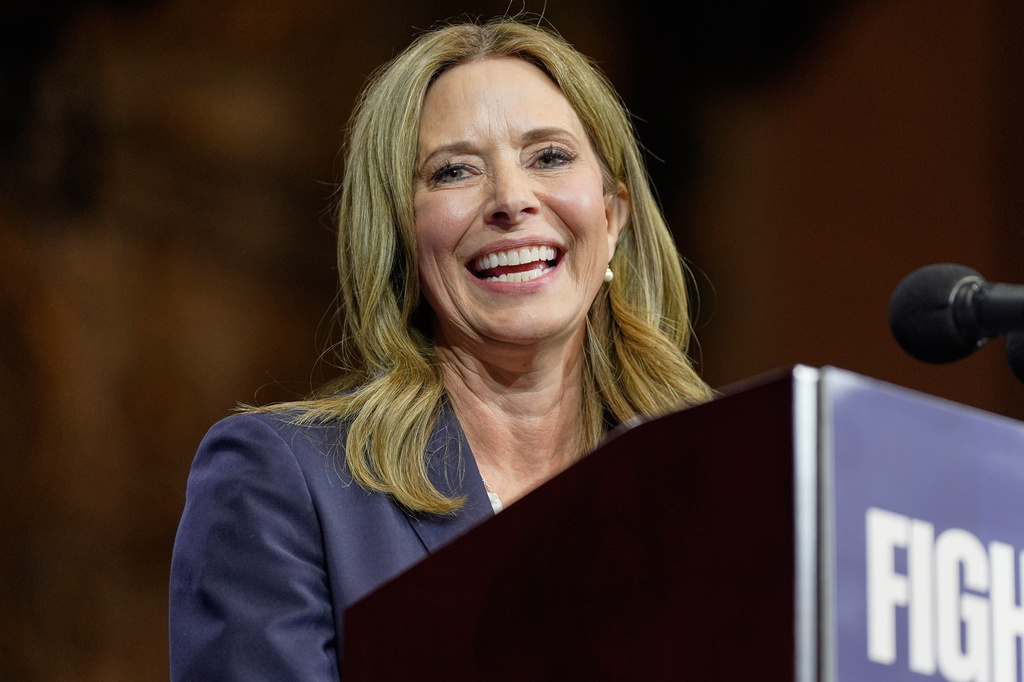
Amy Acton, the Democratic candidate for governor of Ohio, addressed a crowd at a campaign rally in Cleveland on October 24, 2026. This period, typical for unexpected political stories, marks what many call ‘October surprises.’ These stories invariably link back to impending elections. Historical examples include the 2004 appearance of Osama Bin Laden, the ‘Access Hollywood’ tape, and the James Comey investigation. Recent events even suggest that rioting in France could influence the Republican strategy to avoid electoral defeat.
However, the latest attention focuses on Republican contender Vivek Ramaswamy’s actions. Instead of negatively impacting Acton’s campaign, Ramaswamy inadvertently highlighted her resilience. An advertisement released by Ramaswamy featured Acton’s mother accusing her daughter of dishonesty about her past hardships. Instances of parents criticizing politicians are rare, comparable only to quickly retracted comments like those from Pete Hegseth’s mother via email.
Before this incident, many knew limited details about Amy Acton beyond her medical background and prominence during the COVID-19 pandemic. The recent revelations illuminated her difficult childhood, including trauma inflicted by a family member, whom her mother supported despite charges of abuse. Acton, alongside her brother, ultimately severed ties with their mother.
Victims of childhood sexual abuse often wrestle with significant challenges. These can include substance use, mental health struggles, and destructive relationships. Overcoming such adversities, as Acton has, is commendable. She funded her education, attended medical school, and committed her career to helping others—a testament to her strength.
Political campaigns frequently strive to ‘other’ opponents, creating a perception of dissimilarity and disinterest in voters’ needs. Labels such as socialist or billionaire, and religious affiliations, are weapons to distance candidates from the public. A recent example involves Michigan senatorial candidate Abdul El-Sayed addressing accusations of connections to the Muslim Brotherhood, during which he showcased eloquence and patriotism, countering efforts to portray him as an outsider.
Ramaswamy’s decision to release the ad backfired, enhancing voters’ appreciation of Acton’s character. At a time when addressing child abuse remains critical, Republican struggles with issues like the Epstein files exacerbate these perceptions. Statistics indicate many Americans share similar traumatic experiences to Acton, underlining the broader significance of such political discourse.
Despite backing from figures like President Trump and Vice President JD Vance, Ramaswamy exhibited no remorse. His campaign reflected a willingness to forgo empathy, revealing character flaws within his approach. Known for his intelligence and youthful financial success, Ramaswamy’s inability to sympathize with Acton’s experience indicated a lack of sensitivity towards trauma and perseverance.
Joslin Joseph, with awards for commentary and credentials from Harvard and Ohio State, provides this analysis. A Marine veteran who served in Iraq, Joseph resides in Anaheim, California.
Copyright 2026 Nexstar Media Inc. All rights reserved. This material is prohibited from being published, broadcast, rewritten, or redistributed.