
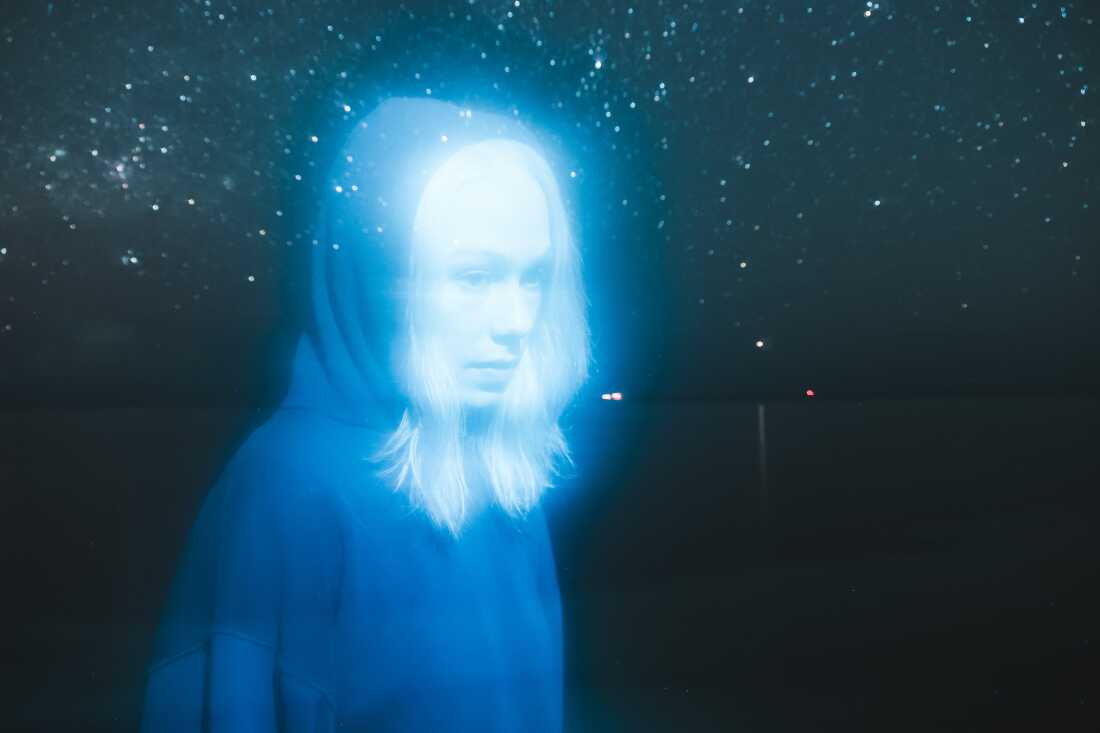
Phoebe Bridgers returns with her third album, Lost Weekend, following a pause she took after winning three Grammy awards with her group, boygenius. This time away was marked by dealing with fame, a complex love life, and the death of her father.
The journey to Lost Weekend comes after Bridgers released her previous album, Punisher, six years ago. That record established her as a significant voice for her generation. Three years later, boygenius, the group she formed with Lucy Dacus and Julien Baker, produced the Grammy-winning The Record. During this period, Bridgers retreated from the spotlight.
Her new album, Lost Weekend, serves as a narrative of this time. It combines personal introspection with intricate musical layering. Through the 16 tracks, Bridgers explores how to tell stories that contain contradictions. The nonlinear journey she presents is challenging but rewarding, like a disintegrating scrapbook.
“I remember the day I created the world,” Bridgers begins on “Other Plans,” a pivotal track pointing toward a tentative happy ending. This line reflects her tendency to combine grand metaphors with everyday humanness.
Unlike previous releases where pristine arrangements highlighted her lyrics, Lost Weekend takes a different approach. Subdued musical design supports lyrical vulnerability. The opening of “Other Plans” plays with time and memory through subtle sounds that create an ethereal atmosphere.
Bridgers delves into complex emotions like grief and love. This exploration is about knocking on the doors of memory and possibilities. Throughout the album, she discovers countless pathways, making the listener question each narrative.
She applies musical techniques influenced by ambient sound, creating fragments and tonal shifts to highlight how feelings shape reality. Her storytelling is impressionistic, capturing moments through vivid scenes rather than linear tales.
In Lost Weekend, Bridgers broadens her sonic spectrum. Songs like “Haunted” and “As Above” contain references to transformation and disorientation. She taps into everything from rock to ambient sounds, guided by a star-studded group of contributors.
Despite a massive guest list, Bridgers maintains an intimate feel throughout the album. Collaborators include producer Jack Antonoff, classical composer Caroline Shaw, and others. Adding to this rich lineup is comedian Bo Burnham, who plays a significant role.
Bridgers crafts songs that merge confessional elements with diverse musical settings. Lost Weekend opens with “The Outside,” a track combining a tragicomic self-portrait with vocal distortion. The album’s shift in expectations recalls other albums made after personal losses.
Bridgers has a dual goal: sharing real emotions while seeking privacy. The “lost weekend” refers to a period away from public demands, offering time for personal reflection. She shares private memories and experiences with her audience but maintains control over how much she reveals.
Every scene on Lost Weekend challenges perceptions, whether through temporal shifts or disorienting imagery. Bridgers encourages the listener to question her narratives and understand that recounted stories may not capture the full truth.
She contemplates her relationship with her losses and new connections. As she mourns her father’s passing, she accepts that memories can’t always be trusted. Looking to the future with hope, Bridgers ends Lost Weekend aware of life’s uncertainties, closing with the line, “You love me, and I won’t ever let you forget.”