
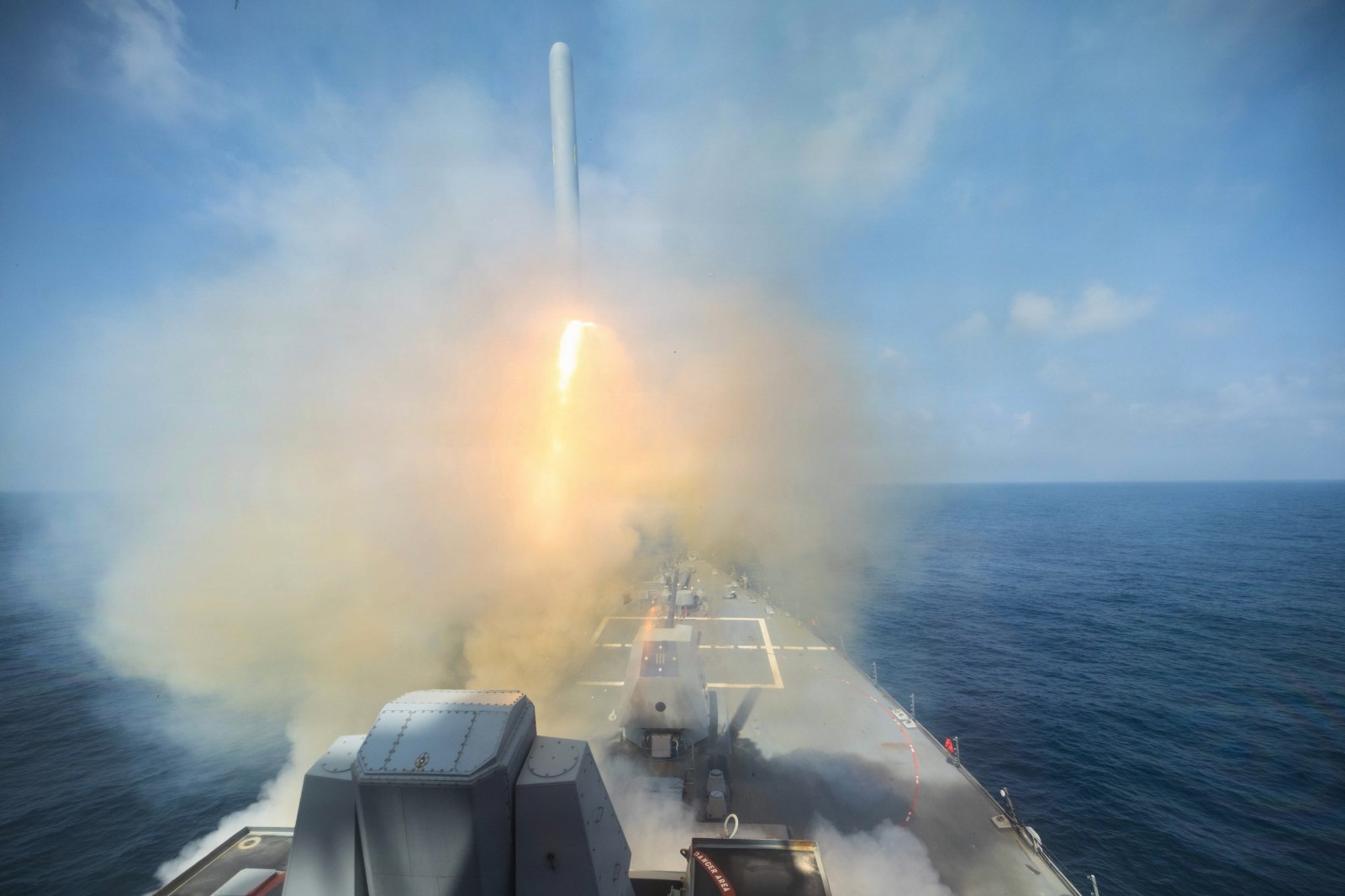
The Pentagon has pressed major U.S. defense contractors to accelerate weapons production, citing the need to replenish military stockpiles depleted by the conflict with Iran. Recently disclosed Defense Department directives have tightened deadlines for this purpose.
Acceleration Demand from Defense Leaders
Deputy Defense Secretary Steve Feinberg announced stringent requirements for defense contractors. They have 21 days to propose plans to significantly hasten delivery schedules and enhance production of critical capabilities. Feinberg stressed that lengthy development cycles are not acceptable, urging for faster program timelines and increased production capacity.
In a statement, Pentagon spokesman Sean Parnell emphasized the department’s focus on improving the speed, capacity, and effectiveness of America’s defense industrial base. Under Defense Secretary Pete Hegseth, the Pentagon aims to enhance weapons production to match the pace of current threats.
Concerns Over Depleted Missile Defenses
The urgency stems from diminishing inventories of key missile defense systems due to the Iran conflict. Strategic analysis from the Center for Strategic and International Studies (CSIS) highlights concerns about reduced stocks of Patriot and Terminal High Altitude Area Defense (THAAD) interceptors.
Before the conflict, Patriot interceptors numbered 2,330, dropping to 1,030 with the April ceasefire and now between 759 and 827—a minimum 65 percent reduction. THAAD interceptor numbers decreased from 452 to between 232 and 278, marking at least a 38 percent reduction.
Costs and Legislative Challenges
The Iran conflict has reportedly cost $37.5 billion since starting in February, covering current and projected operations. Despite President Donald Trump’s assertion of sufficient weaponry, Pentagon officials insist that the production push is vital for bolstering the defense base.
Pentagon’s Feinberg memo is expected to influence budget planning for fiscal year 2028. However, a defense spending bill is pending in Congress. Lawmakers are concerned about military actions in Iran and hesitant to approve an increase in Pentagon spending from last year’s $900 billion to $1.5 trillion.
For further inquiries, contact Newsweek editors: Steve Mollman and Anthony Murray.