
Summary of the February Missile Strike in Minab
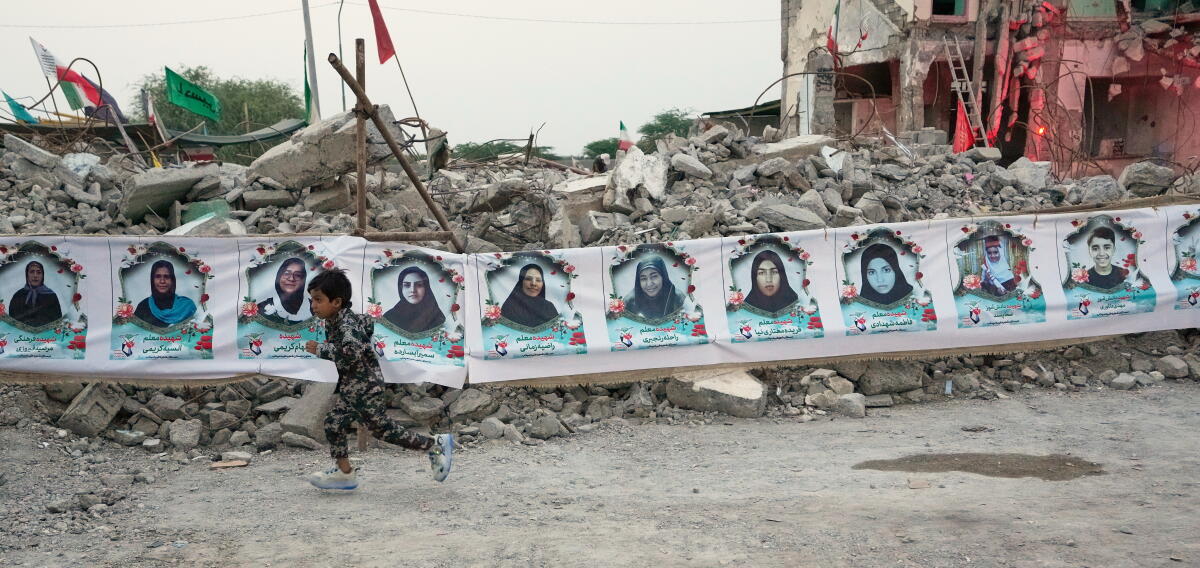
On February 28, a tragic missile attack occurred in Minab, Iran, resulting in the deaths of over 150 individuals, including 123 children. Officials from the Pentagon’s internal investigation revealed that the U.S. was responsible for the strike. This incident marks the deadliest error by American military targeting involving children in recent history.
Initial Investigations and Findings
An internal probe has disclosed a series of preventable missteps leading to this tragedy. Two Tomahawk missiles hit Shajarah Tayyebeh Elementary School and its grounds. It was built on land that was previously part of a military compound but had subsequently transitioned to an educational facility.
The UN investigators have suggested that this airstrike, along with another conducted the same day, could be classified as war crimes, although the U.S. government has not accepted accountability publicly. President Trump has deflected blame, citing uncertainty about the origins of the attack.
Pentagon officials conducting the internal investigation indicated that the tragedy was not the result of a single flawed decision. Instead, they identified multiple oversights that could have averted the strike.
Errors in Targeting Procedures
The Trump administration’s aggressive assault strategy led to the compression of crucial steps necessary to finalize targets. This urgency, combined with outdated intelligence and technological overreliance, contributed to the mistake. The officials involved faced restrictions on sharing detailed information, and a comprehensive report of the investigation remains incomplete and unreleased.
Adm. Brad Cooper, responsible for initiating the investigation, pledged transparency before Congress but details of the report remain undisclosed.
Data Issues and Miscommunication
The site in Minab was inaccurately classified as a military location despite evidence pointing to a modern school. Analysts noted the existence of distinct structures separating the school from a military base years before the attack.
Inside Centcom, personnel relied excessively on artificial intelligence software, Maven Smart System, which failed to flag outdated intelligence. A spokesperson for Palantir Technologies, responsible for Maven, emphasized that the software is not accountable for data discrepancies.
Organizational Failures Leading Up to the Strike
The order to target Iranian military assets spurred a hasty decision-making process known as the ‘kill chain.’ This procedure typically involves comprehensive reviews by specialists but was hastily executed as tensions escalated.
These reviews, aimed at minimizing civilian harm, suffered cutbacks when Defense Secretary Pete Hegseth reduced civilian protection teams drastically. This decision, coupled with disbanding Biden-era harm mitigation efforts, obstructed thorough verification processes.
Laurie Blank, former special counsel, warned that errors arise from rushing to hit pre-planned targets without sufficient preparation.
Political and Human Repercussions
Senator Jack Reed criticized the Pentagon for withholding investigation results. Lawmakers, including Sen. Thom Tillis and Sen. Richard Blumenthal, called for congressional briefings, emphasizing transparency regarding the events leading up to the strike.
In Iran, the tragedy has resulted in political symbolism. Memorials, public outrage, and scrutiny of officials have amplified due to inadequate assistance for surviving victims.
Overall, a deep examination of operational missteps and intelligence failures reveals the complexities associated with the Minab incident, urging political and military entities to ensure accountability and prevent future tragedies.