
The merger between Paramount Skydance, led by CEO David Ellison, and Warner Bros. Discovery is nearing completion. The Justice Department has approved the $110 billion deal. Paramount has committed to closing the merger quickly.
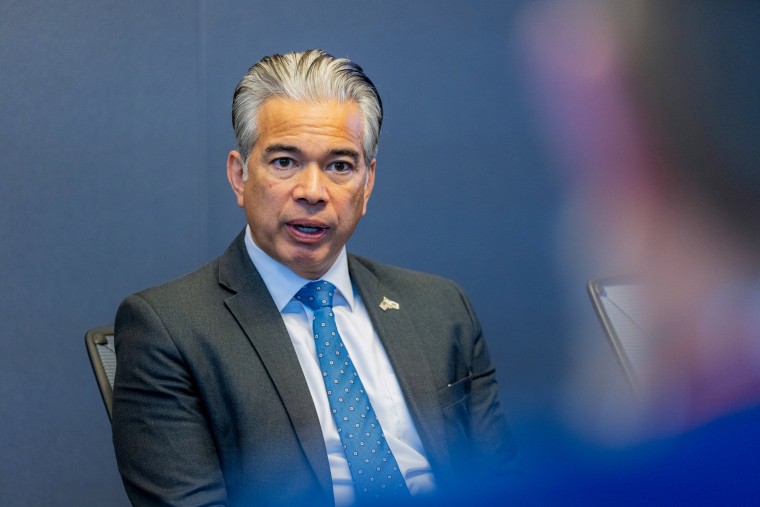
However, California Attorney General Rob Bonta has announced that the merger is still under investigation. His office, along with other state attorneys general, could file a lawsuit to stop the merger based on anti-monopoly laws. New York Attorney General Letitia James is also reviewing the deal, indicating multi-state involvement.
According to Scott Wagner, co-head of antitrust practice at Bilzin Sumberg, state attorneys general can challenge mergers independently, even if federal regulators approve them.
The merger would see Paramount and Warner Bros. consolidating significant film studios, streaming services, and news organizations like CBS News and CNN. Ellison has plans to revitalize aspects of the networks’ news operations, including ’60 Minutes.’
Concerns mount in Hollywood as many industry professionals fear the merger could reduce opportunities and increase consumer costs. Over 5,500 writers, actors, directors, and producers have signed an open letter opposing the merger. Signatories include JJ Abrams, Bryan Cranston, Jane Fonda, Pedro Pascal, and Ben Stiller.
Free Press, an advocacy group against corporate media consolidation, believes there is a solid case to impede the merger. Co-CEO Craig Aaron urges attention to the warnings from industry professionals.
While the Justice Department has ruled that the merger poses no competitive threat, Paramount touts the deal’s benefits. They argue it will enhance competition within an industry vying for audiences and talent.
To counter expected legal challenges, Paramount hired Jeffrey Kessler, a sports labor law expert. Kessler stands by the merger, asserting it bolsters competition in streaming services and network television.
State attorneys general have various tactics beyond lawsuits; these include requesting information and reviewing specific legal matters, potentially delaying the merger. Bonta claims the Trump administration’s antitrust enforcement created a void now filled by state authorities.
California and New York previously achieved a legal victory against Live Nation and Ticketmaster, demonstrating their leverage in challenges to corporate mergers.
Additionally, both states are in a legal coalition opposing a $6.2 billion merger between Nexstar and Tegna. Antitrust scrutiny continues with the Federal Communications Commission’s clearance, followed by state lawsuits.
The Paramount-Warner merger also faces scrutiny abroad. The European Union and the UK have their own regulatory reviews, especially concerning financial backing from Middle Eastern wealth funds. Paramount is under pressure to conclude the merger to avoid paying a substantial quarterly penalty to Warner shareholders.