
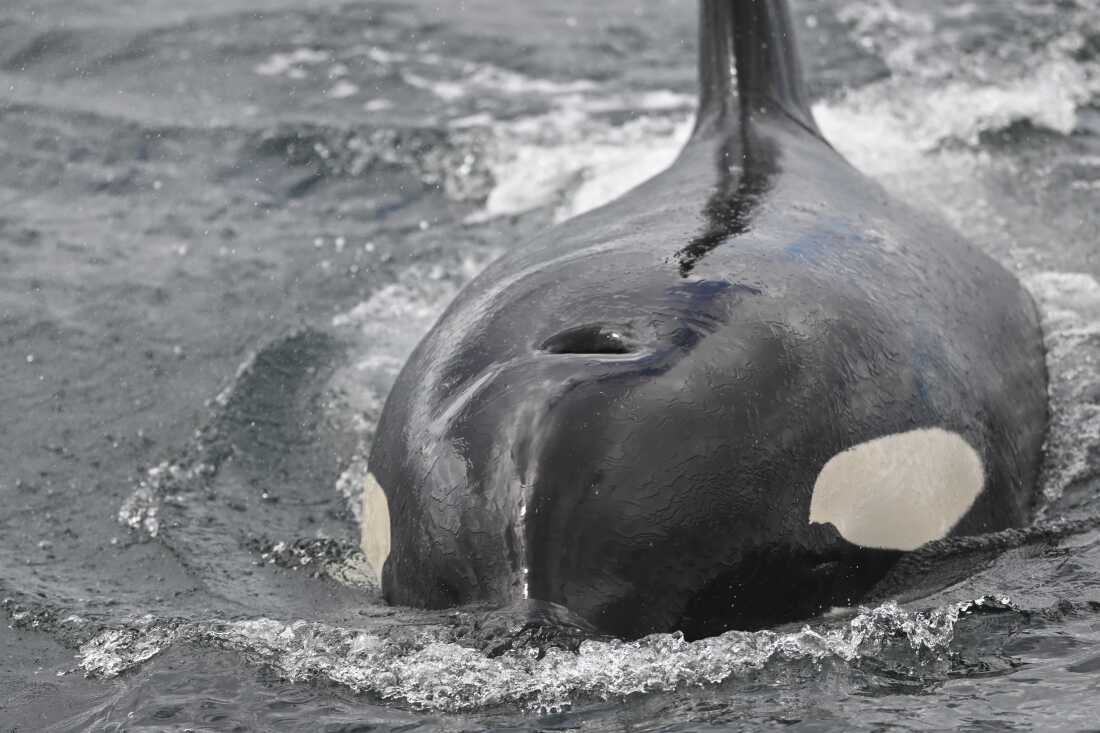
Orcas display unexpected behaviors, as highlighted in a recent study documenting instances where orcas ram sunfish with enough force to cause the fish to explode. At Cabo San Lucas, Kathryn Ayres from the nonprofit Beneath The Waves observed this phenomenon. One orca holds a sunfish, while another charges, ramming it at high speed and dispersing the remains.
This “stabilize-and-ram” tactic was detailed in a paper released Thursday. Although the sight of a sunfish bursting into fragments appears shocking, study co-author Erick Higuera, marine biologist at Conexiones Terramar, views it as a demonstration of specialized biology. Higuera explains that orcas might use this method to assist younger members in feeding or as a form of play.
Orcas have a reputation for playfulness, exhibiting behaviors such as wearing salmon as hats or sinking ships. Robert Pitman, a marine ecologist at Oregon State University not involved in the study, likens them to cats for their tendency to “torment prey and non-prey alike.” He suspects this ramming activity is primarily linked to feeding, especially given the difficulties older orcas and those without teeth face when consuming sharks.
Orcas find sunfish challenging to eat due to their size, dense rubbery skin, and minimal edible parts. Pitman suggests ramming could be an efficient strategy for consuming sunfish. Higuera agrees, noting orcas lack hands or tools to tear prey apart, making ramming a practical solution.
Whether this behavior is “fun” remains uncertain. To classify as play, it should be voluntary, rewarding, and involve modified actions. Two documented cases—one by Ayres in July 2024 and another by a tourism operator—suggest elements of a social game or sport.
Higuera posits it might also serve as parental care, where adults prepare food for teething juveniles. Yet, more observations are needed before drawing firm conclusions. If orcas engage in this behavior without toothless counterparts and do not eat the fragmented sunfish, it could indicate entertainment.
While both instances occurred in Baja California, Pitman questions if other orcas worldwide practice this technique. Higuera finds this behavior intriguing and believes it may represent localized “cultural knowledge” within select pods. Pitman, who frequently witnesses orcas holding sunfish like “a large pizza box,” appreciates the insights gained from this research, though he advises caution to adventurers eager to observe these creatures.