
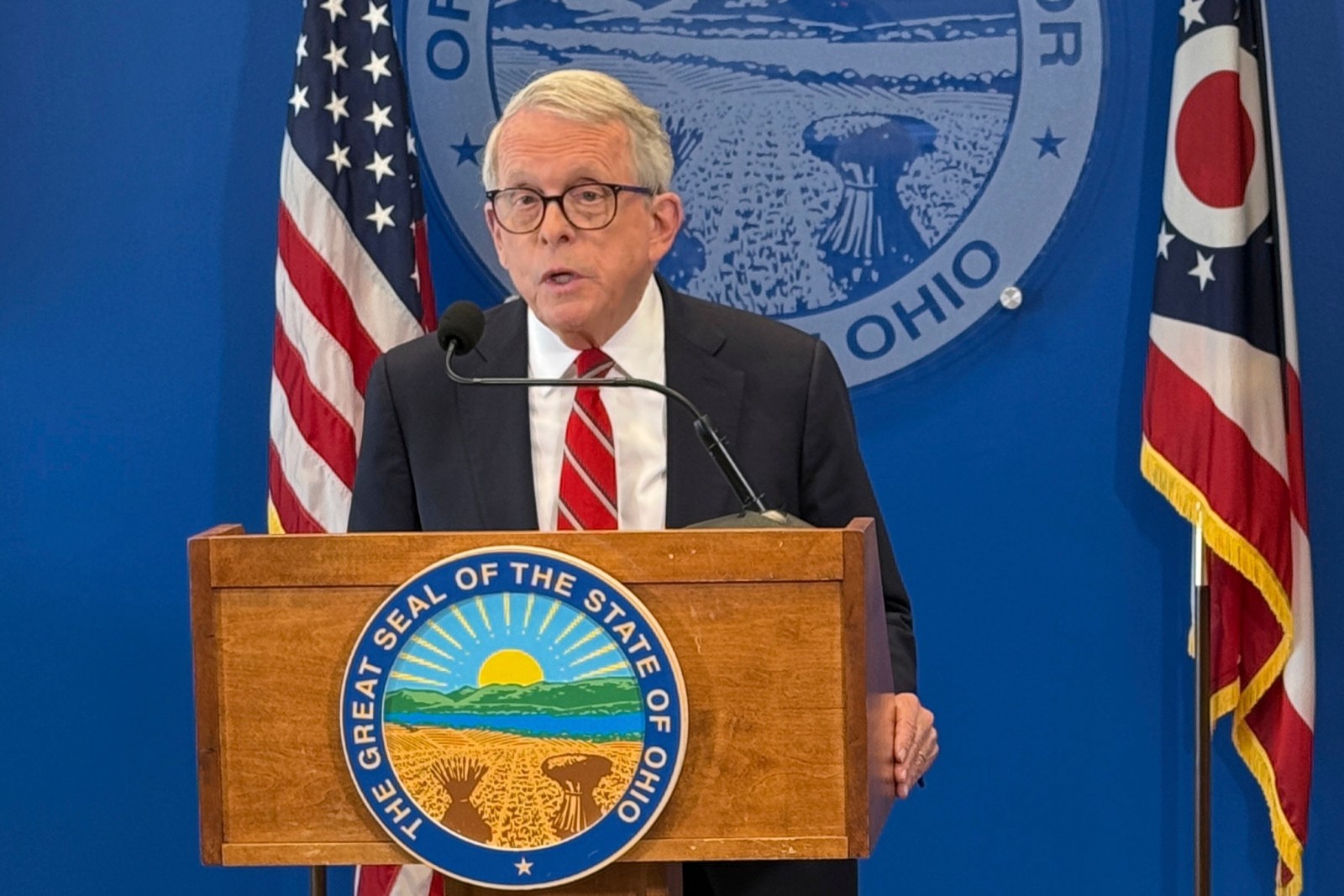
Ohio Governor Mike DeWine recently declared his support for eliminating the state’s death penalty. This represents a significant policy shift for the Republican who played a role in crafting Ohio’s capital punishment law 45 years ago. DeWine cited new evidence indicating the system no longer deters violent crime, instead causing years of suffering for victims’ families and state employees. His announcement increases pressure on the legislature, which has been resistant to repeal, and could alter the future of Ohio’s 114-person death row.
Failing to Deter Crime
DeWine emphasized that the death penalty has not succeeded in its primary goal of deterrence. He highlighted data showing that since Ohio reinstated capital punishment, the chance of executions happening has become progressively slim. Victims’ families endure prolonged legal battles, while state employees on execution teams bear an unjustifiable burden.
Ohio has not carried out an execution since 2018. DeWine has extended the state’s unofficial moratorium, attributing this to pharmaceutical companies’ refusal to provide lethal injection drugs.
Advocacy Groups Praise New Stance
Following DeWine’s statement, various advocacy groups, both national and state-level, commended the governor’s decision as part of a wider conservative reassessment of capital punishment. Laura Porter, from the U.S. Campaign to End the Death Penalty, pointed out a shift among Republicans nationwide who are questioning the death penalty.
Kevin Werner, of Ohioans to Stop Executions, mentioned that DeWine’s shift reflects a trend across Ohio among different political affiliations. Demetrius Minor, of Conservatives Concerned, noted that DeWine aligns with many Republicans who argue the death penalty conflicts with conservative principles.
Resistance Within GOP Leadership
DeWine’s stance places him at odds with prominent Republicans in the Ohio State House. State House Speaker Matt Huffman has pledged to oppose any effort to repeal the death penalty. Recently, former Republican Attorney General Dave Yost also supported maintaining the death penalty. Interim GOP Attorney General Andy Wilson’s position remains undefined.
Nevertheless, DeWine’s change aligns with a growing conservative critique of capital punishment’s costs, effectiveness, and alignment with pro-life ideals.
Ohio’s Death Penalty at a Standstill
Ohio’s last execution took place in July 2018. Since then, the state has scheduled 30 executions over four years, none expected to be carried out. Ohio’s death row has 114 inmates. The state has experienced multiple botched executions and drug shortages since 2019. DeWine states the facts show the system is “not functioning.”
Ohio Death Penalty Facts:
- Executions since 1976: 56
- Executions before 1976: 438
- Exonerations: 12 since 1981
- Clemencies: 22
- Death row population: 114
- Last execution: 2018
The death penalty has been effectively on hold since 2020 due to drug supply issues and constitutional concerns.
Legislative Action Ahead?
Two bipartisan bills proposing the abolition of the death penalty in Ohio have stalled in the legislature. DeWine’s support might revitalize these efforts, with polling indicating that 60 percent of Ohioans favor repeal. However, Republican leadership poses a significant hurdle, and no vote is imminent.
Advocacy groups view DeWine’s declaration as potentially transformative. “Nobody supports a system that harms victim families, convicts innocent people and wastes millions of dollars without a shred of improved public safety,” Werner concluded.