
One of China’s major state-run publications has raised concerns over Nvidia’s internal investigation into CEO Jensen Huang. The Global Times claims American politicians are using the scandal as a political tool to impede chip exports to China. The publication questions whether the scrutiny of Huang stems from genuine national security concerns or if it aims to challenge one of America’s leading tech figures.
The commentary highlights the rising opposition in the U.S. to AI data centers, suggesting that critics of Nvidia’s dealings with China might exploit Huang’s vulnerability in Washington. This follows reports linking Huang to Alice Huang from Singapore-based Megaspeed, suspected by U.S. officials of espionage for Beijing. Huang admitted to an affair, expressing regret to his family without naming the person involved.
“I was unfaithful to my wife. My actions hurt her and our children. There is no excuse for what I did. I am deeply sorry,” Huang stated. Nvidia’s board found no evidence of compromised national security or company secrets and initiated an independent investigation, with Huang maintaining his CEO role.
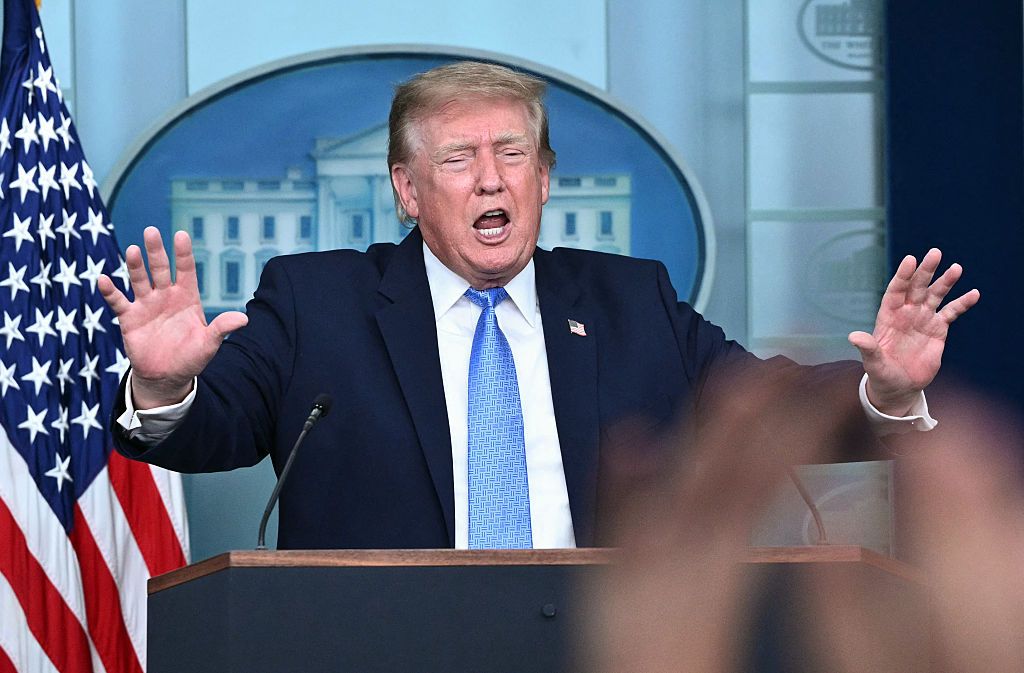
President Trump defended Huang, expressing belief in Huang’s explanation of his relationship with the woman linked to Chinese intelligence. Trump noted he spoke with Huang, who claimed ignorance of her alleged espionage ties, and indicated confidence in Huang’s standing amidst increasing scrutiny of Nvidia’s China-related business.
The Global Times published a commentary titled “Is investigation into Jensen Huang about counter-espionage, or is it a political witch hunt?” questioning the espionage claims and suggesting U.S. political interests might benefit from Huang’s controversy. The paper accused American media of elevating Huang’s personal affair to a national security concern without solid evidence, relying on anonymous sources. It queried the validity of such claims while suggesting Huang’s Chinese ethnicity could be prompting undue suspicion, albeit without supporting evidence.
China’s Foreign Ministry dismissed the espionage allegations as baseless and aimed at defaming China, according to spokesman Guo Jiakun. Chinese media argues that U.S. politicians are leveraging the scandal to enforce stricter AI chip exports to China, as both Democratic and Republican lawmakers demand intense scrutiny of Nvidia.
The Global Times cited Chen Hong of East China Normal University, who accused U.S. lawmakers of exploiting the allegations to advocate for tighter Chinese tech restrictions, yet provided no evidence of intentional orchestration of the controversy. U.S. Senators Elizabeth Warren and Jim Banks called for stringent export controls, citing Huang’s controversial relationship. Meanwhile, key House Republican leaders and Democratic Leader Hakeem Jeffries seek further clarity by engaging with Nvidia through briefings, questioning the company’s dealings.