
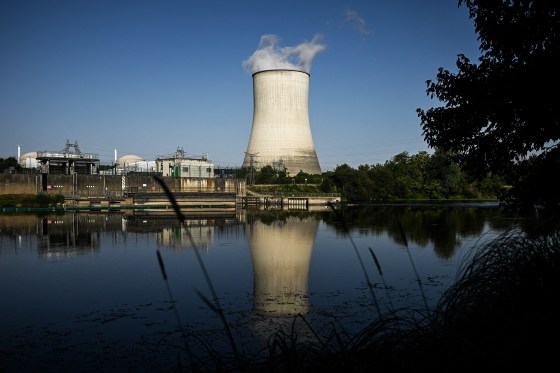
The United States is at the forefront of nuclear energy production, contributing approximately 30% towards global electricity from nuclear sources. Meanwhile, the Civaux Nuclear Power Plant in southwestern France boasts the highest share of electricity generated from nuclear power worldwide, at about 70%.
Recent geopolitical conflicts, particularly wars in Ukraine and the Middle East, have heightened concerns about energy security. These events have spurred a renewed interest in nuclear energy across various regions, including Asia and Europe. Governments are increasingly viewing nuclear power as a reliable energy source against the backdrop of geopolitical instability, rising electricity requirements, and the pressing issue of climate change.
The United States reflects this trend. In a move indicative of its commitment, the U.S. has recently engaged in a thirty-year civil nuclear cooperation agreement with Saudi Arabia. However, this agreement has not yet been implemented.
This shift towards nuclear energy signifies a remarkable turnaround for an industry that had previously been stymied. Past catastrophic incidents, such as the Three Mile Island meltdown in 1979 and the Chernobyl disaster in 1986, had significantly dampened public confidence and disrupted nuclear power development.