
College football has transformed significantly over recent years. Historically dominated by the Southeastern Conference (SEC), notably Alabama, the sport now sees greater parity among championship contenders.
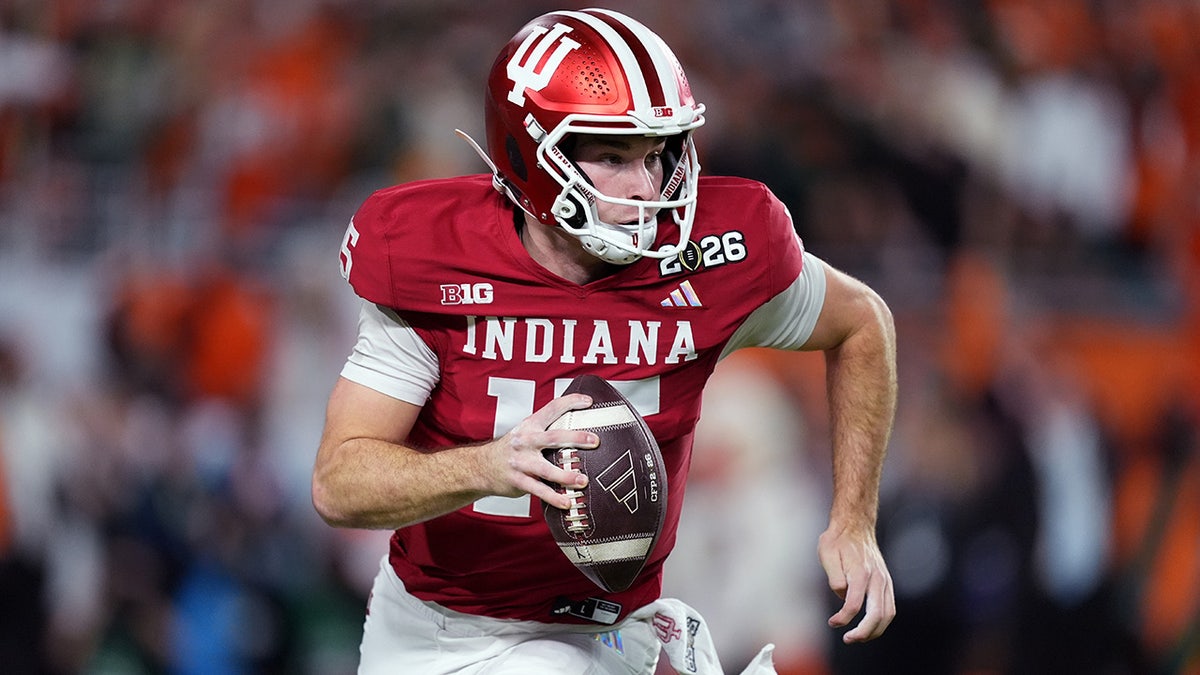
Last year witnessed a historic achievement when Indiana, with a longstanding reputation as a weaker program, completed a flawless 16-0 season, securing a national championship. This reflects the changing landscape of college football, marked by unpredictable outcomes and increased competitiveness.
In 2026, this parity continues to rise to unprecedented levels. Eight weeks into the season, no clear dominant teams have emerged. Many fans and analysts attribute this shift to the advent of Name, Image, and Likeness (NIL) deals. These agreements allow collegiate programs to provide financial incentives to players, thus leveling the playing field.
Nevertheless, there are differing opinions regarding the primary influence on this change. Brooks Austin, known as “The Film Guy,” argues that the transfer portal plays a more significant role than NIL in promoting parity. In an interview with OutKick, Austin stated, “Everybody blames it on NIL. I think it has far more to do with freedom of movement. The portal has changed this more than anything else.”
Austin highlights how top-tier teams like Alabama and Georgia can no longer accumulate talent and keep players on the bench for extended periods. He explained, “Georgia can pay their backup just as much as Wake Forest can pay him to be a starter. When a backup defensive tackle has been sitting on the bench for two years, he wants to play.” According to Austin, player’s freedom to transfer has minimized team depth, impacting traditional powerhouses.
While NIL does contribute to talent dispersion, the transfer portal’s influence is substantial. Teams can rebuild and strengthen their rosters quickly, perpetuating competitive parity and enhancing college football’s unpredictable nature.
An example of this occurred during the 2025 SEC Championship Game when Georgia and Alabama faced off. Both teams dealt with missing key players on their defensive and offensive lines. Austin recalls similar situations in previous seasons where depth could compensate for starter absences, such as Georgia’s ability to substitute players without losing momentum. However, this scenario is shifting as talented players seek playing opportunities elsewhere.
The combination of NIL and the transfer portal is reshaping college football dynamics. While both factors contribute to the evolving landscape, Austin emphasizes the transfer portal’s profound impact, altering how teams build and sustain success.