
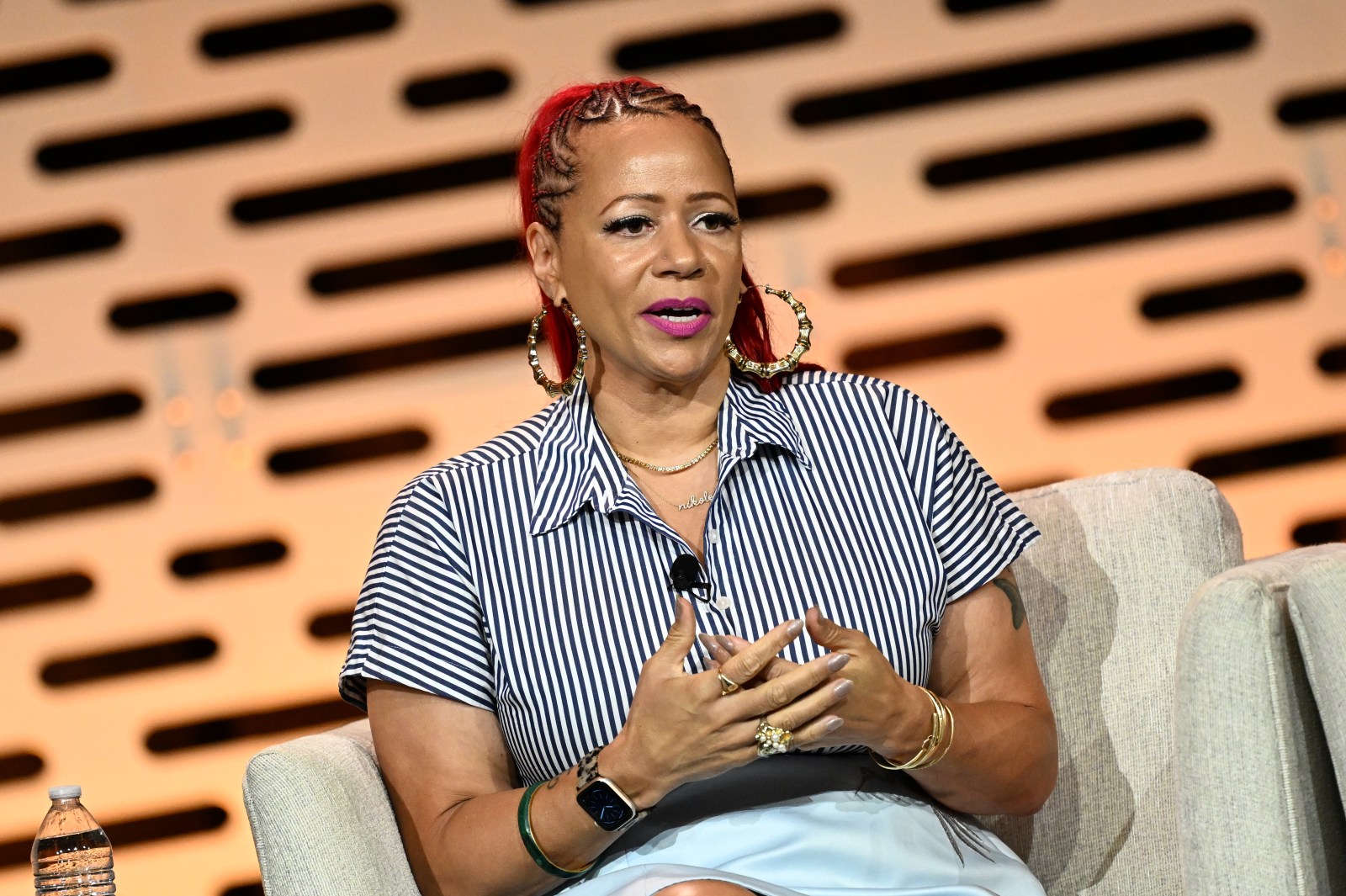
Ten years ago, journalist Nikole Hannah-Jones, known for The 1619 Project, featured her daughter on the cover of The New York Times Magazine to advocate for school integration. Her essay explored a personal choice: sending her child, Najya, to a high-poverty Brooklyn school. In a recent follow-up, Hannah-Jones reflects on the decision, acknowledging potential mistakes.
Initially, Najya attended Public School 307, predominantly attended by Black and Latino students. Over the years, Hannah-Jones realized that Najya, despite being bright, struggled academically. She couldn’t pass state exams and faced educational gaps. Discovering ungraded assignments and missed assessments, Hannah-Jones felt profound regret. She apologized to Najya, acknowledging her failure to provide the best education.
In her essay, Hannah-Jones reaffirms her views on public education and integration. She notes that schools remain heavily segregated, particularly in New York.
“I acknowledge to you that I didn’t do the best for you, and I am so sorry.”
The essay sparked discussion on progressive politics, dubbed “Woke 1.0.” Critics like Henry Mack, Florida’s education commissioner, argue Hannah-Jones’ decision reflected misguided priorities. Maud Maron, a public defender, suggested the system Hannah-Jones criticized ultimately benefited her daughter.
Meanwhile, others commend Hannah-Jones for her honesty. Monica Marks praised the introspective nature of the piece. She emphasized the importance of valuing individuals over broad political activism.
Progressives have reevaluated past stances. The term “Woke 1.0” highlights evolving positions on issues like police funding and school admissions. Several candidates, including Representative Alexandria Ocasio-Cortez, have distanced themselves from previous rhetoric.
Democratic candidates are adapting strategies amid electoral challenges. Many focus on economic issues, aiming for broader appeal. House Democrats emphasize affordability and living expenses as priorities. Jim Kessler of Third Way suggests Democrats should highlight economic reform instead of identity-driven narratives.
The debate extends to controversial topics like transgender athletes in sports. Recent polls indicate shifting public opinion. Some Democrats now align their positions with majority views, emphasizing clarity in campaign messaging.
As midterm elections approach, the Democratic party grapples with integrating past messages into its future strategy. Candidates aim to balance the party’s long-standing values with pragmatism in policy and rhetoric.