
The NFL sometimes sees its officials make the right calls, and at other times, they miss the mark. When errors occur, the league often communicates these mistakes to the teams involved. This was the case for the Los Angeles Rams concerning a contentious pass interference decision against the Denver Broncos. The NFL acknowledged that its officials incorrectly flagged Rams defensive back Josh Wallace for pass interference during a Sunday Night Football game.
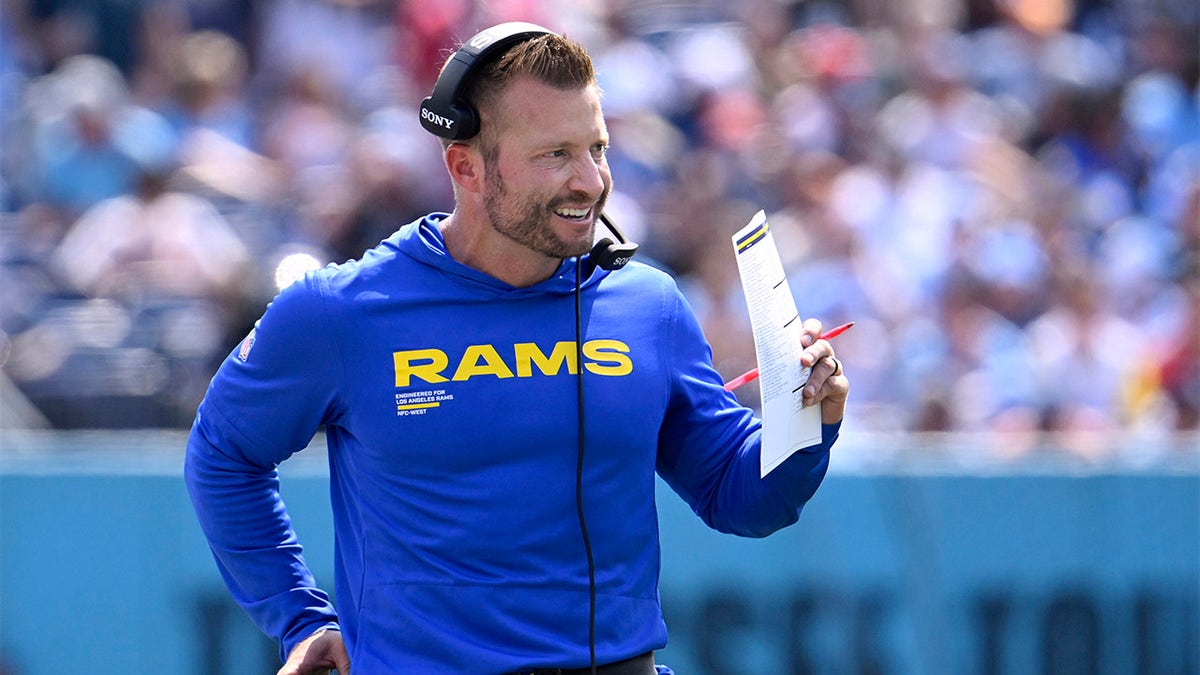
This acknowledgment came amidst the backdrop of a crucial call that may have cost the Rams a win. Rams coach Sean McVay shared that the league conveyed to him that Wallace’s call shouldn’t have been deemed defensive pass interference. Though the NFL did not officially confirm this to OutKick when approached for comment, McVay’s statement stands.
The impact of the penalty against Wallace was significant. It nullified what could have been a decisive interception with the Rams leading 26-23 and 1:09 left on the clock. The call transformed an interception into pass interference, offering the Broncos a first-and-goal at the Los Angeles 7-yard line. A touchdown followed six plays later, culminating in a 30-26 victory for Denver.
It is crucial to mention that Wallace did brush against Broncos wide receiver Pat Bryant. However, in situations where the league usually permits players to conclude games themselves rather than having officials directly influence results, referee Bill Vinovich’s team intervened, influencing the outcome significantly.
The Rams will not receive any compensation from the league apart from perhaps a sense of vindication. Their loss stands in the records, just as the Broncos retain their victory. Nevertheless, the NFL deserves credit for acknowledging its error, clearly aware that McVay would not keep this information concealed.
Among the reactions to Vinovich’s crew’s mistake was NBC officiating expert Terry McAulay’s input. He swiftly assessed the play, stating emphatically that there was no pass interference, contradicting the officials’ decision. McAulay’s assessment showcased his willingness to disagree with fellow referees while delivering accurate insight.
In a game where referees’ decisions can swing a match’s outcome, this incident underscores the dynamics and pressure of NFL officiating.