
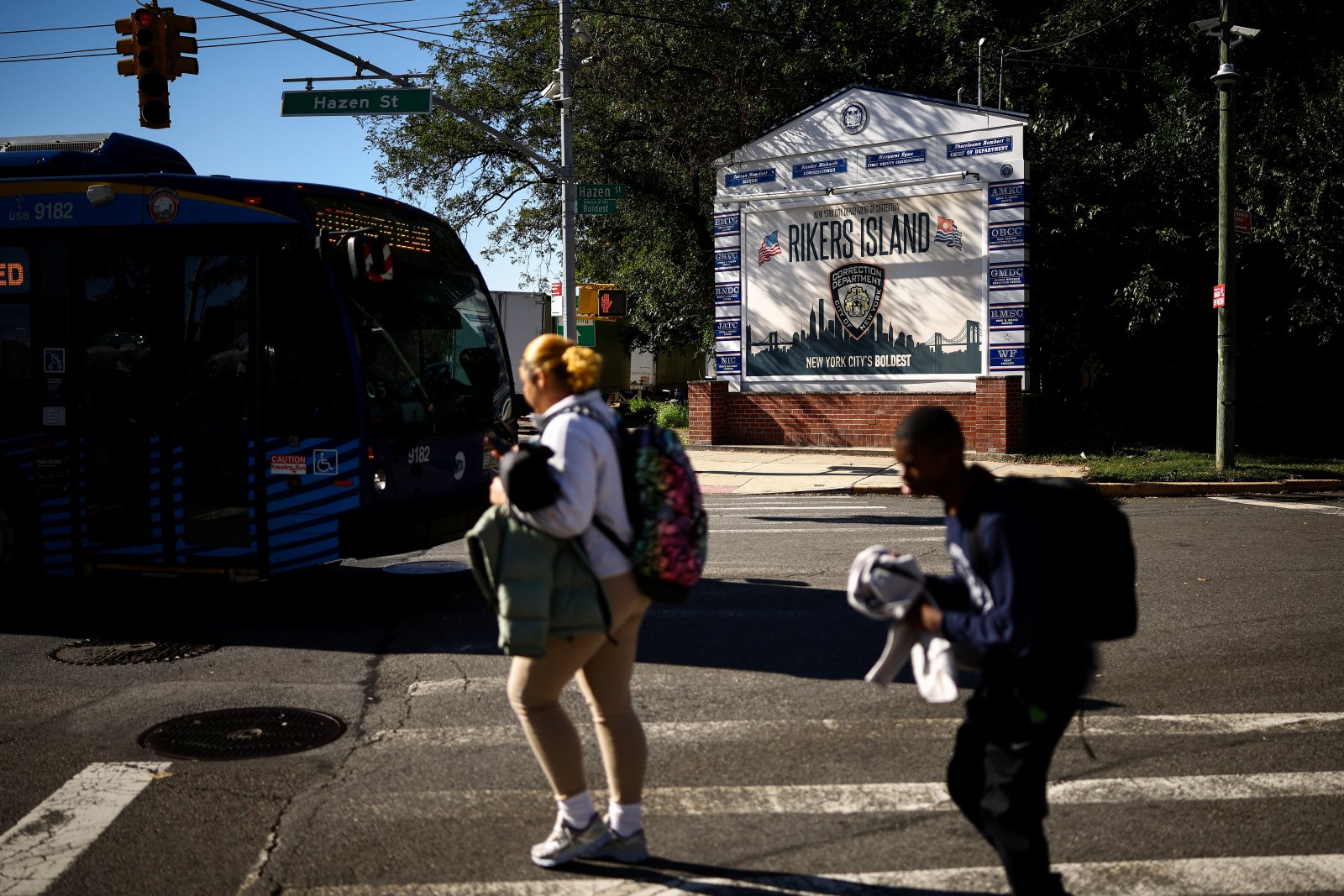
New York City Mayor Zohran Mamdani has introduced a plan to close Rikers Island, which hinges not only on building four new jails but also on reducing the incarcerated population by nearly 2,500 people. Currently, around 6,000 individuals are detained. The new system will accommodate 4,500 inmates, including 340 in hospital-based therapeutic units. The city aims to close Rikers by 2032, with a 38% reduction in inmates needed before the last replacement facility is operational.
The city’s strategic plan outlines various scenarios for reducing jail population to around 4,100. The success of the closures depends greatly on achieving these reductions. Zachary Katznelson, executive director of the Independent Rikers Commission, hailed the plan as crucial for enhancing public safety.
Plans to shutter Rikers have been developing for years, sparking contentious debates among different groups. Advocates like Donna Lieberman of the New York Civil Liberties Union argue that Rikers is an unconstitutional facility with a history of human rights violations. Lieberman insists the city is legally mandated to close it by 2027, not 2032.
How Mamdani Plans to Find 2,500 Beds
Diverting Low-Risk Individuals
A key component involves not incarcerating certain low-risk individuals. Approximately 400 currently in Rikers, plus 600 charged with lower-category felonies, are identified as diversion candidates. These individuals often face short sentences, and their absence from communities disrupts housing, employment, benefits, and family ties. The plan suggests using alternatives like substance abuse programs to achieve reductions in jail populations.
Releasing Current Low-Risk Detainees
The city plans to release those detained with Class B felonies or those needing further assessment. The plan aims to cut around 700 people from the jail population and allocates $5 million annually to programs offering alternatives to incarceration. These programs reportedly reduce rearrests by up to 61% over two years.
Accelerating Case Resolutions
About 1,470 detainees have been held for over a year pretrial. Efforts are underway to address case delays, which contribute to jail overcrowding. By reforming procedures and collaborating with legal authorities, the city hopes to reduce the population by about 800.
Preventing Re-incarceration
Nearly half of Rikers admissions involve recently released individuals. By targeting around 1,600 individuals at high risk of further arrests, the city proposes mental health and housing interventions to reduce re-incarceration rates by 30% for men and 50% for women.
Why Rikers’ Population Rose
The report highlights that while admissions are lower, longer stays at Rikers inflate the population. Despite a 56% decrease in pretrial admissions since 2017, the population has reduced by only 22%. Stays have increased from 63 to 102 days.
Katznelson remarks that lengthy case resolutions keep detainees longer, strain mental health services, and create a cycle of reincarceration. Addressing these issues could improve safety and lower inmate numbers.
Future Facilities
Rikers’ remaining detainees will be transferred to new jails in Brooklyn, Manhattan, the Bronx, and Queens. Construction is underway, with completion targeted between 2029 and 2032. New facilities will offer improved living conditions and healthcare services.
Collaboration and Challenges
The city acknowledges that multiple stakeholders influence jail population reductions, including the Office of Court Administration, district attorneys, and nonprofits. Katznelson emphasizes the need for legislation that supports closing Rikers Island while maintaining progress on public safety and justice.