
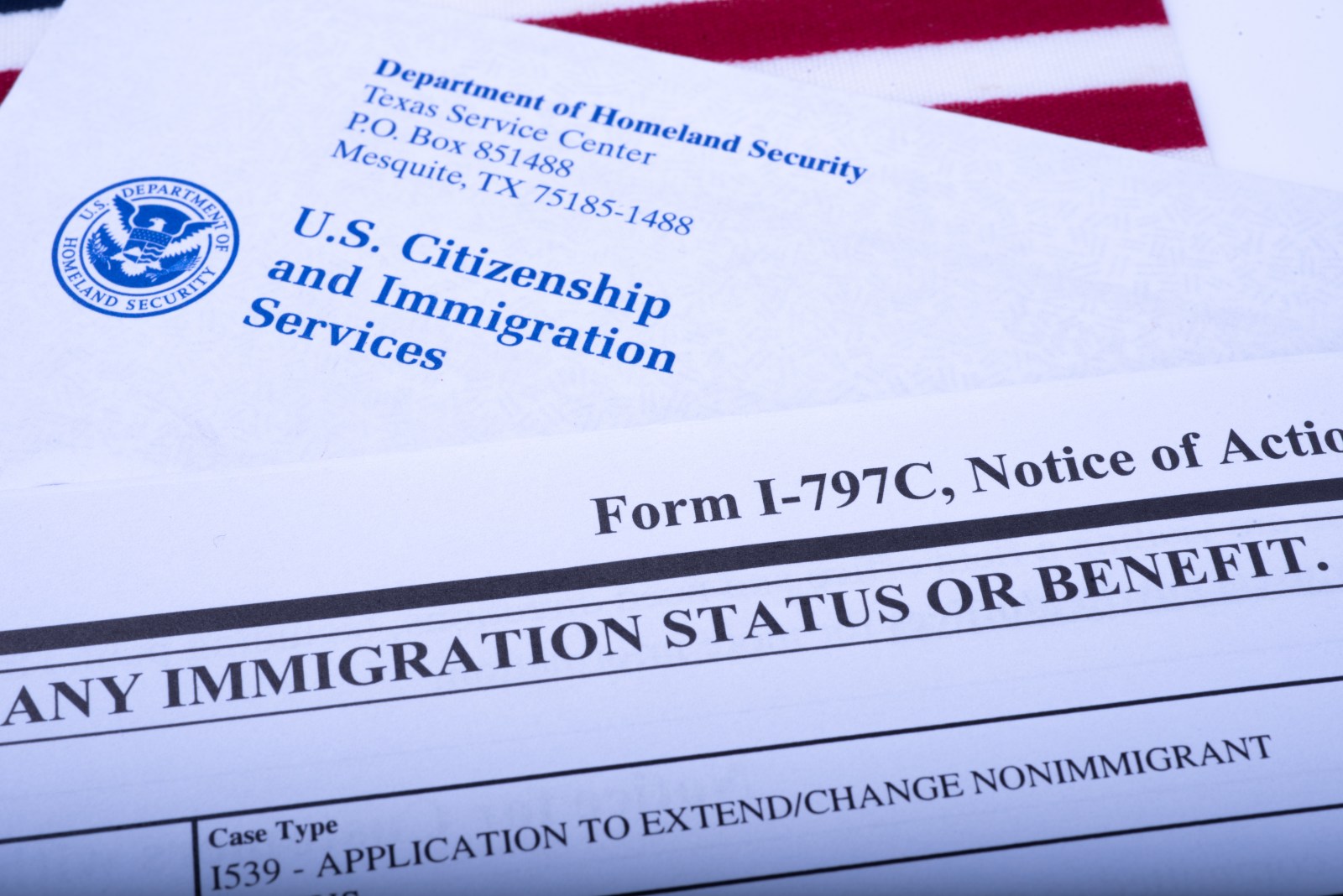
Clarification of U.S. Immigration Policy
U.S. immigration authorities have clarified a policy impacting H-1B visa holders seeking green cards. This clarification follows a policy memo issued by the Trump administration that restricts the conditions under which foreign nationals can transition to permanent residency without leaving the country.
According to Zach Kahler, spokesman for the United States Citizenship and Immigration Services (USCIS), the agency is realigning its stance with congressional intent. Applications proving economic benefit or national interest may continue the current path, while others may need to apply abroad based on specific circumstances.
A Shift in the Green Card Pathway
The new approach reshapes the transition from temporary nonimmigrant status to permanent residency. Domestic status adjustment was once routine. Now, USCIS suggests that Congress never intended for temporary visitors, including students and H-1B professionals, to use their stay as a step toward a green card.
Consular processing abroad becomes the default, with domestic adjustment reserved for extraordinary cases. Kahler noted that this shift returns to the law’s original intent, requiring aliens to apply from their home countries unless in rare circumstances.
Economic Implications and Operational Uncertainty
The new policy impacts whether applicants can stay or must leave based on economic benefits or national interest criteria. This is significant for highly skilled H-1B visa holders, crucial to industries like technology and healthcare.
- Extended Travel Risks: Many face visa backlogs, paused services, or travel restrictions, potentially leaving professionals stranded abroad.
- Human and Corporate Toll: Experts warn of prolonged family separations and disruptions for employers.
- Lack of Regulatory Clarity: Uncertainty persists due to no clear timeline or detailed criteria for domestic processing exemptions.
What Is an H‑1B Visa and Who Is Eligible
The H-1B visa is an employment-based visa allowing U.S. companies to hire foreign workers for up to three years, extendable to six.
- Statutory Caps: Capped at 85,000 slots per year, including 20,000 for those with U.S. master’s degrees, due to high demand and a lottery system.
- Educational Criteria: Jobs normally require a specific degree; the worker must hold this degree or a foreign equivalent.
- Employer Obligations: Employers must offer positions meeting specialty-occupation standards, pay prevailing wages, and get Department of Labor approval before petitioning USCIS.
What Happens Next
Previously, temporary visa holders could pursue domestic status adjustment, minimizing disruptions and reducing consular pressure. Now, this path is an “extraordinary” exception, with most applicants expected to apply abroad.