
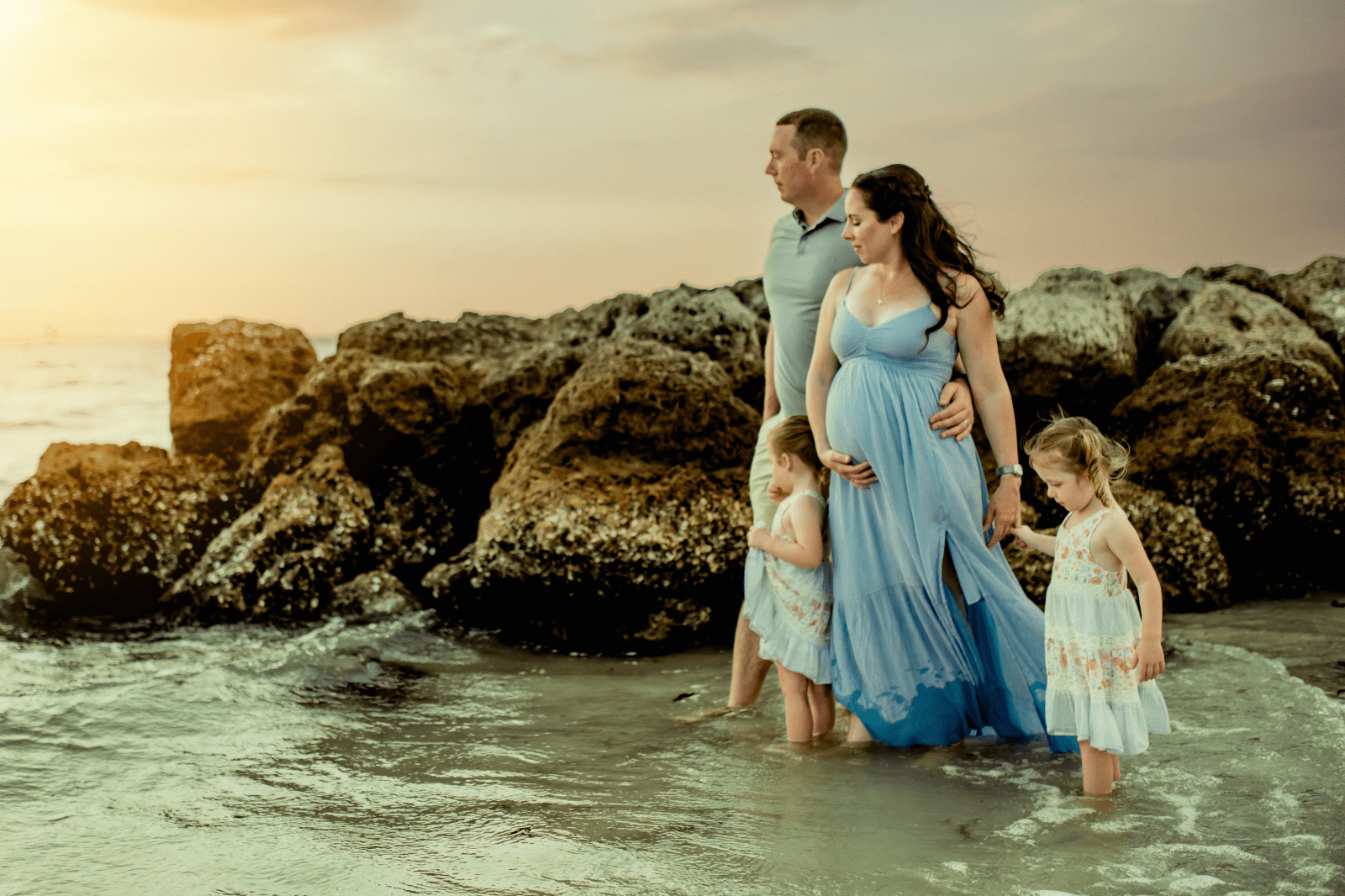
In 2016, when my husband and I learned we were expecting a child, we envisioned a promising future. A gender reveal informed us we were having a boy. We began preparations for his arrival with excitement.
However, during the 20-week anatomy scan, doctors gave us devastating news. Our baby was diagnosed with Meckel-Gruber syndrome, a rare genetic disorder that is always fatal. His organs were compromised, his kidneys were swollen and dysfunctional, and parts of his skull hadn’t formed correctly. We faced the heartbreaking decision to terminate the pregnancy for medical reasons.
We later discovered that both my husband and I were carriers of the syndrome, making future pregnancies risky. When we decided to try again, doctors recommended IVF with preimplantation genetic testing for monogenic disorders (PGT-M). This test screens embryos for specific genetic conditions before they are transferred.
Initially, the idea of IVF was daunting. It seemed invasive, costly, and overwhelming. After a year of unsuccessful natural conception attempts, we choose IVF to prevent another loss.
We entrusted our hopes to science. After three IVF rounds, we created 20 embryos. Many were disqualified due to Meckel-Gruber syndrome or other genetic issues. However, four embryos were promising; three were unaffected and one was a carrier like us but unlikely to develop the disease.
In 2019, we transferred an unaffected embryo, resulting in identical twins. Their healthy arrival felt miraculous after years of hardship. Life wasn’t without challenges. At four months, one twin had epileptic seizures, and at 16 months, a brain tumor led to surgery. She recovered and thrives today.
After the trauma, we waited years to transfer the carrier embryo. In 2023, we were again heartbroken with a diagnosis of Meckel-Gruber syndrome for our son, Everston, despite believing PGT-M had cleared this embryo. This unexpected outcome cast doubt on the testing process.
PGT-M, designed to detect specific genetic conditions, guided our choices. However, losing Everston felt devastating, especially after significant financial and emotional investment, exceeding $100,000. Further IVF attempts resulted in no suitable embryos. Explaining this to our children was one of the hardest challenges.
I’ve shared our journey online since 2017, seeking connection while isolated in New York City. Discovering a community of families with similar experiences was invaluable. Meckel-Gruber syndrome is rare, leaving many feeling alone.
I hope others understand that our experience, though rare, highlights the potential fallibility of PGT-M. We may never know what went wrong, whether human, testing, or other errors. Our intent was to prevent another loss, yet it occurred unexpectedly.
I reflect on the embryos not transferred, questioning the results we trusted. I hope no family endures the same experience. My family now resides in Tampa, Florida, with my husband and twin daughters, Savannah and Sydney. I chronicle our lives on social media as @ansleysadventures.