
As election night approaches, the anticipation grows. On Fox News Channel’s show, “The Five,” where I participate as a Democratic voice, there’s a shared hope for significant Democratic victories. Current polling suggests promising outcomes, yet I remain cautious. Celebrations must wait until all votes are counted.
However, support for my party isn’t unwavering. Sometimes the Democrats overreach, creating a disconnect within the party. A case in point is Hasan Piker, a far-left Twitch streamer. His views on Marxism and China are not views I share.
Sometimes, hindsight reframes our understanding.
Two major shifts in my perspective have occurred over the past six years.
Moments of Changed Perspectives
The first is the handling of COVID-19. Although I regard Dr. Anthony Fauci’s contributions positively, mask mandates later felt excessive. An interview with Greg Gutfeld on my podcast, “Raging Moderates,” highlighted frustrations with enduring government directives.
Another pivotal moment was the 2019 incident involving actor Jussie Smollett in Chicago. Initially, I supported him, but as facts emerged, I realized I was biased.
Understanding Our Mistakes
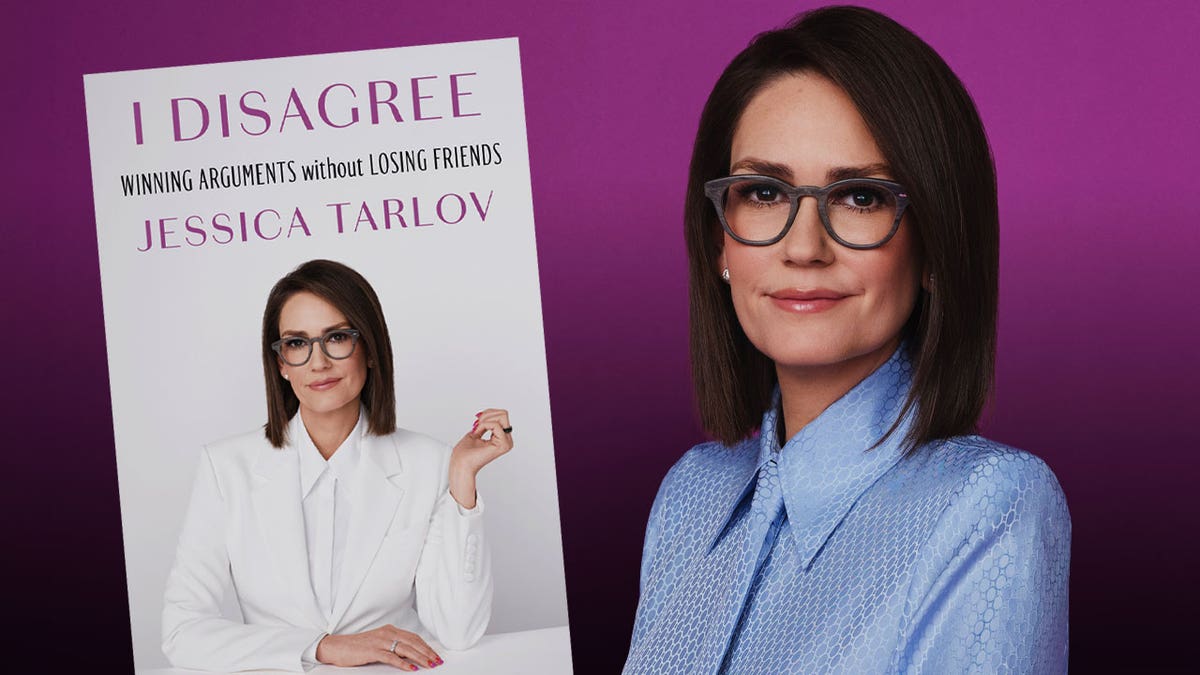
Acknowledging mistakes is crucial for meaningful discussions and relationships. This conviction inspired my book, “I Disagree.” There’s science supporting effective conversation and debate, which can lead to deeper connections.
Confronting contradictions isn’t easy; it challenges deeply held beliefs.
Scientists describe this phenomenon as “motivated reasoning.” Our brains filter out conflicting information, often unconsciously, to protect us from mental discomfort. Attempting to change can feel painful.
For instance, research at the University of Southern California found that challenging beliefs activates brain areas linked to physical pain.
Media Influence and Divisions
COVID-19 exacerbated divisions, leading to a lack of dialogue. Ari Aster’s film, “Eddington,” highlighted this using a small-town election as a backdrop. It explores deep ideological divides and resulting community breakdowns.
The sheriff in the film questions institutional authority, causing a rift within the town. The parallels to real-life experiences are evident, though dramatized.
Greg Gutfeld’s perspective on mandates, shared during our discussions, was that mandates infringed on personal freedoms. I, however, valued them for protecting vulnerable loved ones. Such discussions illuminate diverse experiences with the pandemic.
Reflecting on the Smollett Incident
Analyzing biases starts by recalling situations like the Jussie Smollett case. The initial hate crime report appeared credible but later proved false. While early reactions to his story were empathetic, facts showed the truth.
Understanding the importance of accepting evidence is essential. As Harris Faulkner of Fox News suggested, facing facts requires open-mindedness.
I now actively seek opposing viewpoints to refine my beliefs. Disagreements, like those with Greg on “The Five,” force us to critically evaluate our stances.
The effort to embrace differing views strengthens our grasp on truth and shared realities.
The lessons from these experiences underscore the necessity of dialogue across divides for healthier political and social interactions.
Excerpted from “I DISAGREE: Winning Arguments Without Losing Friends” by Jessica Tarlov. Copyright © 2026 by 19 Jay LLC. Excerpted by permission of Random House. All rights reserved.