
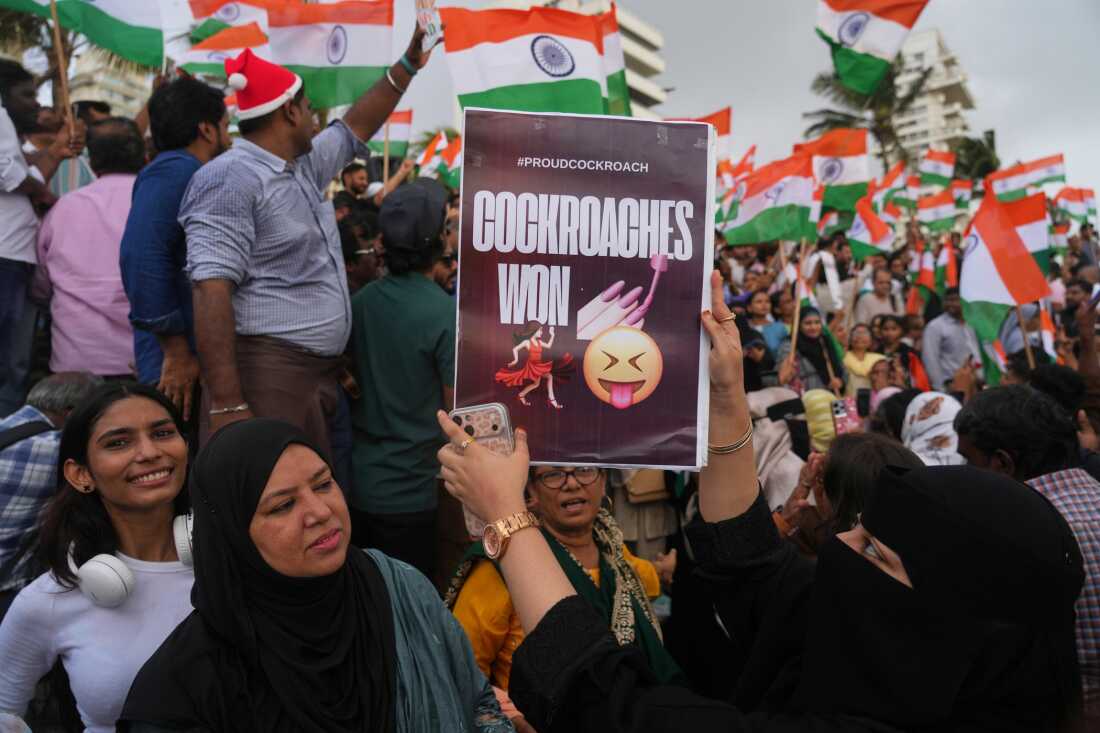
Protests across India have led to the resignation of Education Minister Dharmendra Pradhan. Demonstrations arose in response to leaks in national exams, which students blamed on Pradhan, sparking anger in over a dozen cities from New Delhi to Mumbai.
The protesters, who are mainly students, accused the minister of failing to manage exam security, resulting in widespread cheating allegations. The failure to maintain exam integrity significantly threatened Prime Minister Narendra Modi’s 12-year tenure.
The government’s previous attempts to suppress the protesters included vilifying them. The education minister had labeled the protest leaders as being affiliated with terrorists. State-aligned media proposed accusations of foreign interference by neighboring Pakistan, which further fueled tensions.
Pradhan posted his resignation on X, expressing his wish to prevent student dissatisfaction from being manipulated by “anti-national forces.” He did not specify what he meant by these forces. Despite calls for a formal apology, he remained silent on the paper leaks.
The student protests found a key ally in Abhijeet Dipke, leader of the satirical group ‘Cockroach Janta Party.’ Dipke and others formed this group following derogatory remarks by India’s Chief Justice, who compared unemployed youth to ‘cockroaches.’ The protests gave young people a sense of solidarity amidst widespread inequality concerns.
Compensation demands also emerged for families affected by suicides after a medical exam scandal. Reports from The Indian Express highlight tragic incidents, including suicides linked to exam stress. Student leaders requested that responsible security personnel be held accountable for violence against demonstrators marching to Parliament.
The demonstrations, which began on June 7, gained momentum across varied demographics. Sociologist Raheel Dhattiwala noted education as a unifying factor among India’s vast youth population, which includes 367 million people aged 15 to 29. Political analyst Sushant Singh pointed out the difficulty the government faced in demoralizing this diverse group.
A protester remarked, “Where are we supposed to go? The papers are being leaked, and the rich can ensure their children’s success while poorer students are left behind.”
Support grew for the protests after police removed an educator, Sonam Wangchuk, on a hunger strike supporting students. Wangchuk ended his 26-day fast after receiving commitments for governmental accountability and addressing exam failures.
Prime Minister Modi addressed students in an Instagram post, acknowledging the severity of paper leaks and promising justice against alleged culprits. Yet, he did not directly address the call for Pradhan’s resignation, which students demanded as a condition for halting the protests.
Student leaders anticipated nationwide marches if the government did not fulfill their demands by the weekend. The eventual resignation of Dharmendra Pradhan achieved a significant victory for the protesters. It remains uncertain if leaders will sustain momentum or leverage this success for broader changes.