
Missouri’s Abortion Referendum: Confusion and Voting Patterns
In Missouri, the ongoing debate over abortion rights continues to provoke deep-rooted political and social tensions. In 2024, voters approved Amendment 3, which sought to incorporate abortion protections into the state constitution. However, by 2026, another ballot measure—also named Amendment 3—presents voters with the choice to retract these protections.
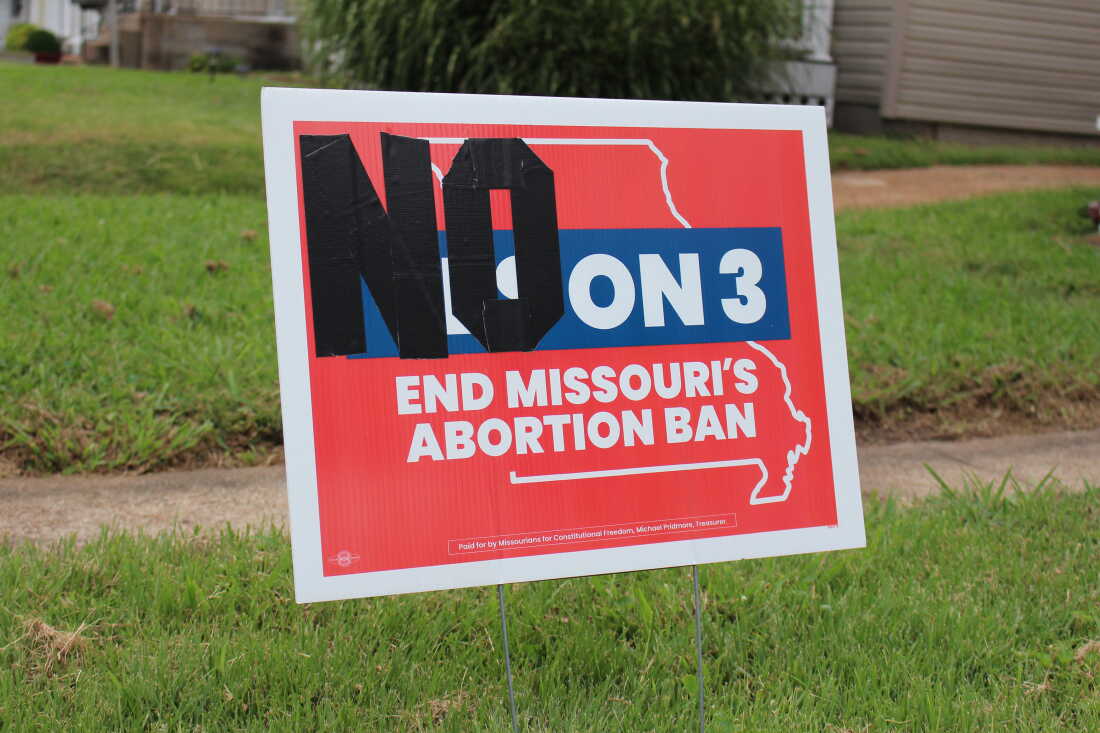
Kelly McCoomb, a resident of Maplewood, Missouri, became a symbol of this contentious issue when she creatively modified her 2024 campaign sign. With duct tape, she altered a ‘YES’ to a ‘NO’ and returned it to her front yard. McCoomb’s actions reflect her mistrust in Missouri’s legislative process, especially with ongoing attempts to overturn the constitutional amendment.
Statewide and National Implications
The stakes are high as Missouri stands among four states poised to vote on abortion access in the upcoming general election. The backdrop to these referenda is the 2022 U.S. Supreme Court ruling in Dobbs v. Jackson Women’s Health Organization, which dismantled federal abortion protections, leaving states to define their own policies.
Kristi Hamrick from the organization Students for Life Action highlighted the broader constitutional concerns, questioning whether variable state standards can fairly determine human rights and protections.
Clarifying Constitutional Protections
The ongoing debates in Missouri are echoed in Nevada, where Nevadans for Reproductive Freedom aim to solidify abortion rights by embedding existing laws into the state constitution. The 2024 ballot requires continued majority support to ensure enduring abortion access. In Idaho and Utah, voters and advocates face similar challenges with stringent abortion laws and ballot measures aiming to adjust state statutes.
Currently, Missouri is the only state considering the removal of established abortion protections. The proposed legislation includes restricting abortion access, with exceptions primarily for cases of medical emergencies or severe fetal anomalies.
Impact on Advocacy and Voter Education
The repeated votes have created confusion among voters, complicating efforts by advocacy groups on both sides of the issue. Margot Riphagen-Dunn of Planned Parenthood Great Rivers pointed out that this confusion disrupts healthcare services, fostering an environment of uncertainty.
Meanwhile, Reagan Barklage from Students for Life of America emphasized that both voters and canvassers are adjusting to these complexities. The coincidental naming of both measures as Amendment 3 has further complicated voter outreach efforts.
Despite the confusion, McCoomb’s proactive stance with her sign reflects a broader sentiment among advocates who are preparing for yet another pivotal vote. Her actions highlight the grassroots efforts underway to protect reproductive rights amidst a shifting legal and political landscape.
KFF Health News continues to cover this issue extensively, providing essential insights into healthcare policies and their ramifications nationwide.