
ProPublica, a nonprofit investigative newsroom, recently highlighted actions by the Department of Defense that undermine civilian protection efforts. Ten Democratic lawmakers criticized Defense Secretary Pete Hegseth for reducing support for a program designed to protect civilians during U.S. military operations. They argue this decision harms both service members and the military’s ethical standards. The criticism follows a Defense Department inspector general report labeling civilian protection efforts as largely inactive.
Senator Elizabeth Warren, along with other lawmakers, cited concerns reported by ProPublica and emphasized the importance of the civilian harm mitigation and response (CHMR) framework. This framework is intended to minimize civilian casualties in U.S. military actions, an ongoing issue since the post-9/11 conflicts. Lawmakers indicated the Trump administration might have violated federal law by defunding civilian protection efforts.
The Defense Department has been accused of sidestepping civilian protection measures in favor of a more aggressive approach.
A Pentagon spokesperson declined to address questions from ProPublica, stating that the department would respond directly to the lawmakers. The issue gained international attention in February when a suspected U.S. strike resulted in civilian casualties in Iran. This event, along with increased reports of civilian casualties in Somalia and Yemen, underscores the consequences of inadequate civilian protection strategies.
ProPublica’s interviews with national security officials suggest a military shift toward aggression and decreased accountability, as seen in the sidelining of the CHMR initiative. This move conflicts with the stated mission of preventing civilian harm, despite formal support from senior military leaders.
In 2025, the Defense Department de-emphasized the CHMR program, deeming it incompatible with Hegseth’s focus on ‘lethality.’ Current and former personnel reported that staffing for civilian protection was drastically reduced by 90%, even as strike tempo increased across Africa and the Middle East.
Experts argue that civilian casualties can fuel militant recruitment and extend conflicts. Retired General Stanley McChrystal has described this phenomenon as ‘insurgent math.’
The Democratic lawmakers, including military veterans Senators Tammy Duckworth and Mark Kelly and Representative Jason Crow, voiced concerns in their letter, demanding explanations and current data on CHMR staffing and funding.
Despite the lack of clarity about the effectiveness of civilian protection measures in incidents like those in Yemen and Iran, advocates argue that a stronger program could have potentially reduced civilian casualties and ensured more immediate accountability.
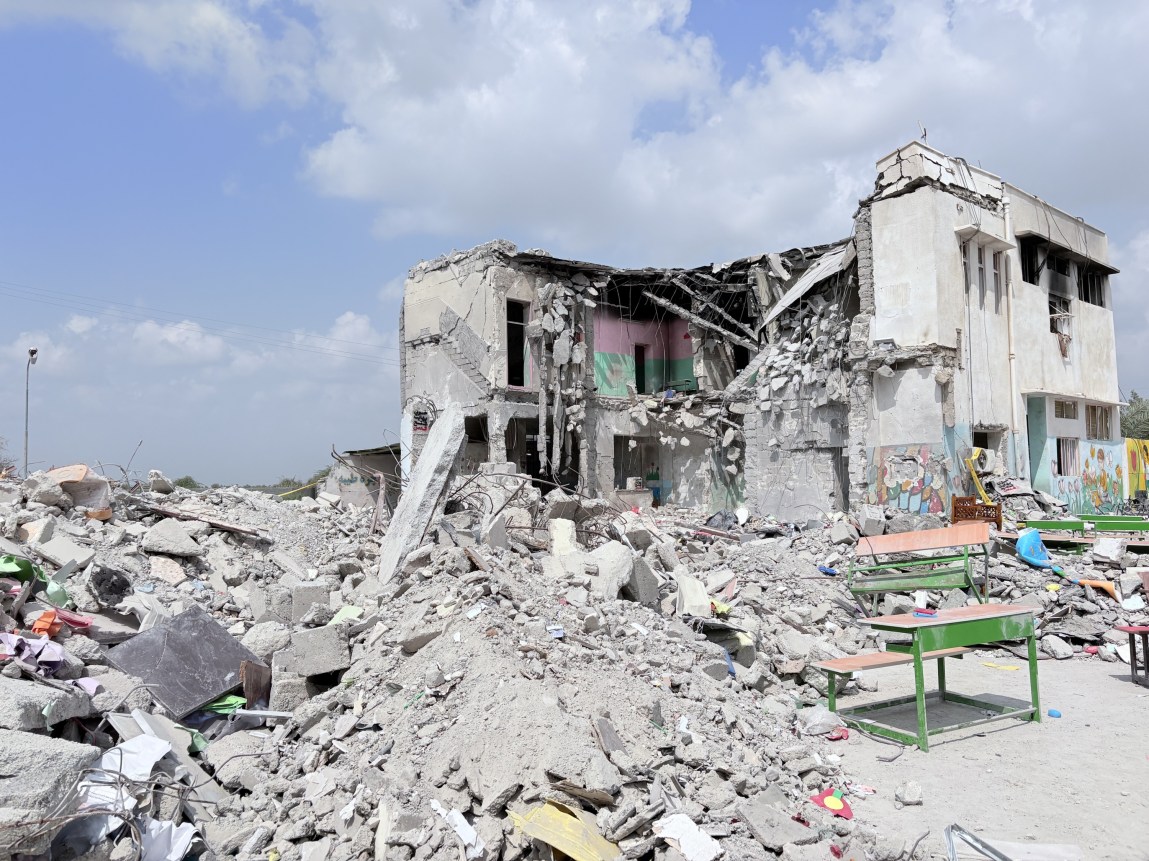
Video evidence and investigations have emerged related to the Iran strike, identifying a U.S.-made missile likely responsible for the tragedy. Over 150 people, including students and staff, were killed. The Trump administration has yet to thoroughly explain these actions.
Advocacy groups, such as the Center for Civilians in Conflict, stress the importance of congressional support for civilian protection initiatives. These efforts must comply with U.S. laws designed to learn from past military operations and ensure bipartisan endorsement.
History shows that civilian protection prioritization often follows disastrous events, leading to reviews and temporary reforms. The Biden administration’s acknowledgment of a wrongful strike in Afghanistan paved the way for the CHMR plan adoption in 2022.
Despite advancements, the current administration’s decisions have placed the mission in jeopardy, as highlighted in critical assessments by defense officials.
Some Republicans and commanders increasingly question Hegseth’s approach to transforming the Department of Defense, initially termed the Department of War by Trump’s administration.
Hegseth’s controversial terminations of high-ranking officers have incited bipartisan backlash, with accusations of political bias and racism. Hegseth has defended these actions as necessary cultural changes within the department.
Notably, the removal of General Chris Donahue, who publicly derided ‘wokeness’ concerns and emphasized mission-focused priorities, has sparked public debate.