
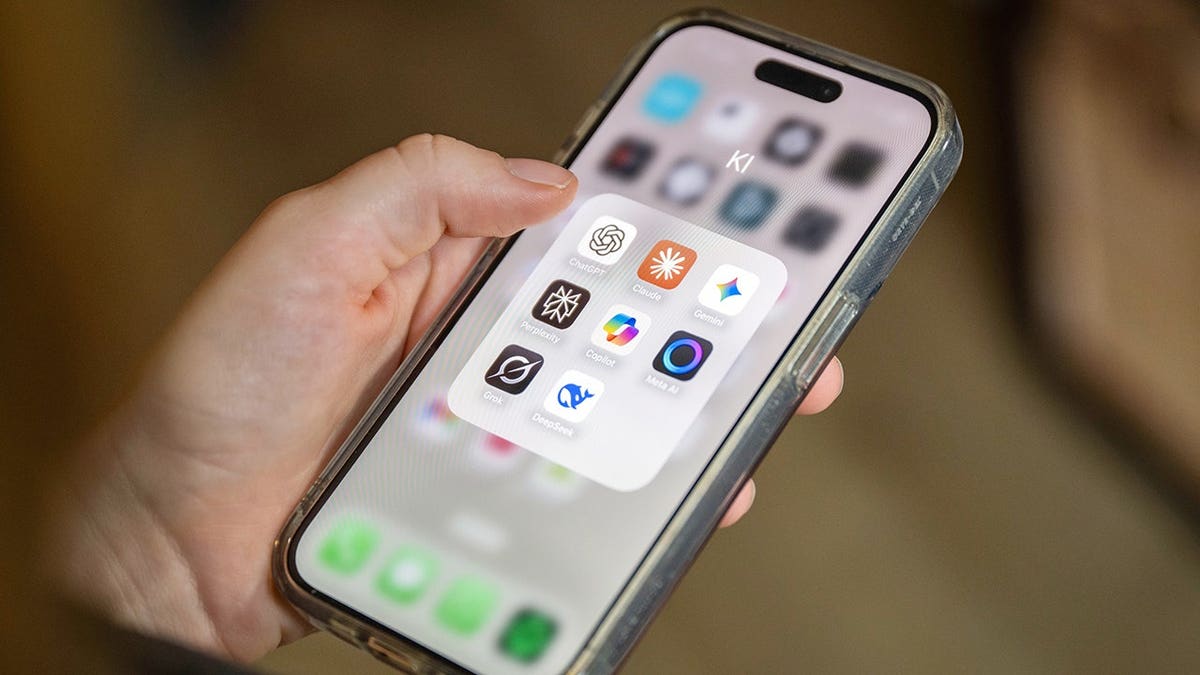
Growing Concerns Over AI Assistants and Security
Meta’s Muse AI assistant, with over 3 million downloads, has sparked significant security worries. Users are required to give the AI access to sensitive information including bank accounts, credit cards, emails, and texts to optimize its functionality. Liz Peek highlights these concerns, emphasizing the necessity for strong cybersecurity measures.
The Rise of AI Personal Assistants
Many individuals would prefer to delegate bothersome phone calls to an AI. Common tasks like resolving billing issues or securing restaurant reservations are now targets for AI involvement. Meta’s Muse AI and Instinct, a similar tool, aim to take this concept further. These tools are designed to perform tasks across various apps and services.
Instinct and Meta are both testing capabilities that allow their AI to make phone calls on behalf of users. This feature offers convenience, as the AI not only provides phone numbers but also engages in conversations to fulfill user needs. However, this raises concerns about the comfort level with allowing AI to make decisions on one’s behalf.
Concerns About Privacy and Data Access
Granting AI assistants access to personal data is a major privacy tradeoff. Instinct’s privacy policy indicates that its AI can access connected services with user permission, potentially managing emails, messages, and sensitive data. This access highlights the privacy risks associated with AI assistants’ growing capabilities.
Instinct provides users with some control over AI training, allowing them to opt out of using certain data for training purposes. However, previously trained models may still retain such data. Users concerned about privacy should review these settings regularly.
Meta Muse’s Security Measures
Meta claims to have implemented safeguards around Muse. The assistant runs in a secure virtual machine, with connected credentials securely stored. Muse cannot view stored passwords or payment methods. Approval is required for sensitive actions, and users can view audit trails of Muse’s activities.
Despite these measures, connected services create points of interaction that could present privacy risks. Muse users can alter access permissions and disconnect services as needed.
AI’s Growing Influence on Daily Tasks
AI assistants offer tempting convenience by handling tasks such as phone calls. However, their ability to act independently comes with significant risks. Incorrect or incomplete actions taken by an AI could have lasting repercussions. Users are advised to start with low-risk tasks to test the AI’s functionality.
Ten Tips for Safe AI Assistant Use
- Start with low-risk calls to gauge AI performance.
- Regularly review connected services and permissions.
- Avoid sharing sensitive data like Social Security numbers with AI.
- Require confirmations for significant actions.
- Always check the result after an AI completes a task.
- Understand the difference between disconnecting and deleting data.
- Use caution when dealing with financial or medical information.
- Keep privacy settings updated as AI capabilities evolve.
- Secure connected accounts with strong passwords and two-factor authentication.
- Install reliable antivirus software to protect against security threats.
Conclusion
AI assistants provide enticing benefits in handling mundane tasks like phone calls. However, the potential risks and privacy concerns necessitate cautious use. Users should carefully consider the access they grant and remain vigilant about the security of their personal information.