
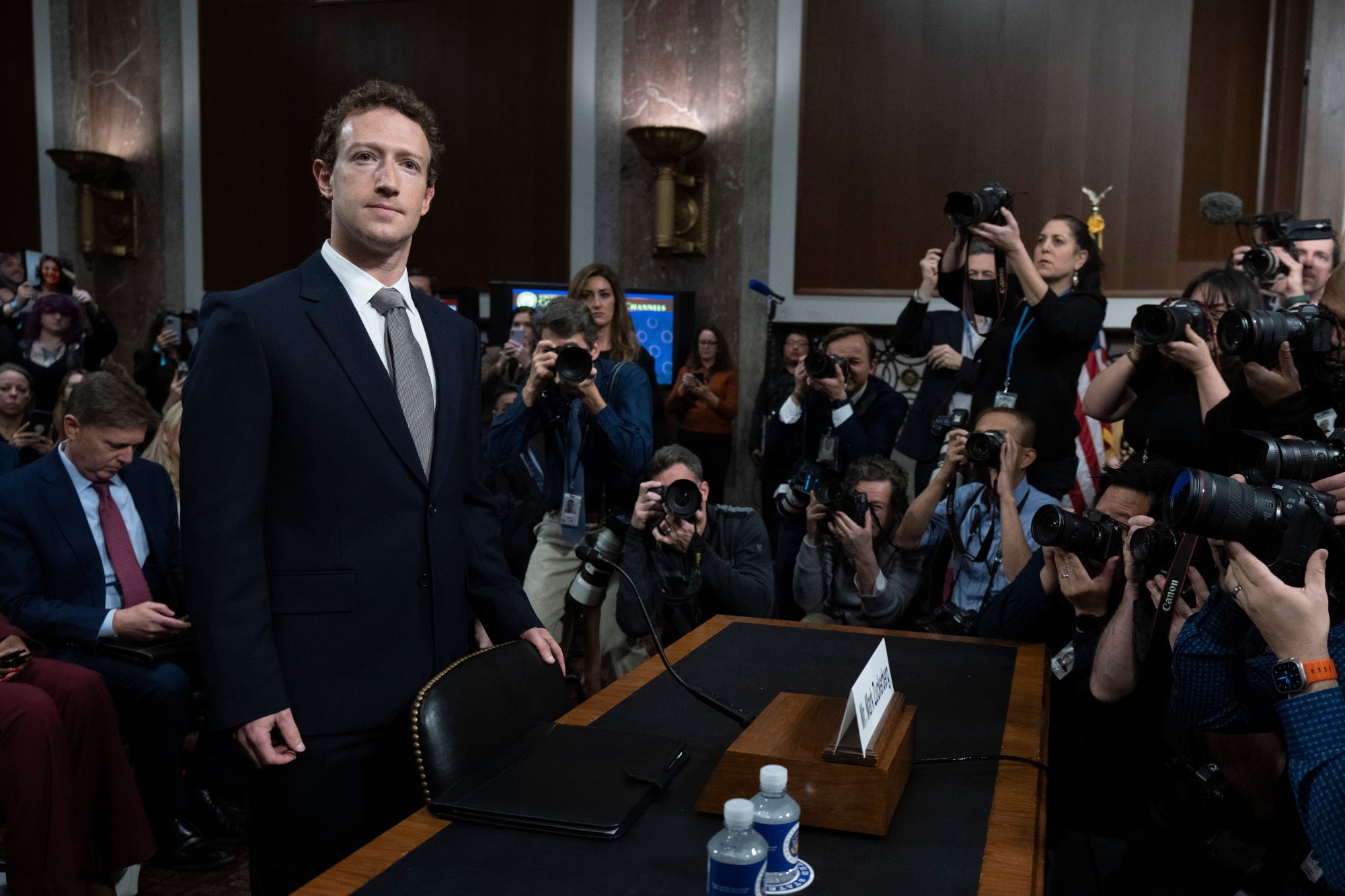
In a significant development on August 26, Meta, led by CEO Mark Zuckerberg, agreed to a historic settlement with 47 U.S. states, the District of Columbia, and U.S. territories. This came just eight days into a major trial concerning child safety on social media platforms. Meta committed to paying $12.19 billion over a decade, with a potential increase to $17.1 billion if TikTok and YouTube reach similar agreements. On the same day, a separate $1 billion settlement was also reached with Texas.
Despite the magnitude of this settlement, it is seen as a missed opportunity. Initially, the states aimed for approximately $200 billion, whereas Meta faced potential damages of up to $1.4 trillion. However, the settlement amount is less than ten percent of what the states initially sought. This legal action was expected to transform both Meta and the social media industry as a whole, but the outcome fell short of expectations.
As a pioneer in social networking since the 1990s, I have consistently built platforms without relying on targeted ads or algorithmic exploitation. The industry’s shift towards relentless engagement and surveillance advertising was misguided. The recent proceedings were a chance to redirect this approach, yet the settlement doesn’t fully seize this opportunity.
Earlier this year, Meta faced two significant legal setbacks. In March, a jury in Los Angeles held Meta and YouTube accountable for a personal injury case related to addictive design features. Similarly, a separate case in New Mexico imposed nearly $1 billion in penalties on Meta. This recent trial was the largest, centering around allegations of intentionally harmful design. California Deputy Attorney General Megan O’Neill emphasized this in her trial statements, highlighting how Meta’s business model was particularly detrimental to young users.
“Hook the users. Hold them for as long as they can. Harvest their data. Hide the truth from the public when making public statements,”
The trial featured Arturo Bejar, a former Meta safety engineer, as the star witness. He disclosed that Meta adopted a “don’t ask, don’t tell” approach for its underage users, testifying that Instagram evolved into a manipulative platform. A revealing email from 2021 sent by Bejar to Zuckerberg highlighted that over half of surveyed teenagers had negative experiences on Instagram, but it went unanswered. The settlement occurred before Zuckerberg had to testify, indicating the case’s strength.
Comparisons to the 1998 tobacco settlement dominated the discourse. Although the $206 billion settlement dramatically reduced cigarette marketing to children, the product’s addictive nature remained unchanged. In contrast, the Meta settlement aims for substantial changes, including a two-hour daily usage limit for those under 18, restrictions on access at night, and certain protections during school hours. However, age verification and customized feeds are still problematic areas.
The terms leave significant gaps, such as the continued presence of algorithmically manipulated feeds and vague age verification methods. Attorney General James Uthmeier from Florida, who opted not to join the settlement, deemed it trivial compared to the substantial harm inflicted on minors. Despite these issues, Meta’s stock surged 4% following the settlement announcement, boosting the company’s market value.
This case extends beyond Meta, as YouTube, TikTok, and Snap also face similar legal challenges. $5 billion of Meta’s settlement depends on YouTube and TikTok embracing similar changes. Meta effectively uses the attorneys general as a strategic tool against competitors, possibly deterring younger users from switching platforms.
Responses outside the courtroom have been proactive. Many states have implemented strict phone policies in schools recently, and the Senate advanced the Kids Online Safety Act. Internationally, countries like Australia and members of the European Union are establishing bans for social media access for young users.
Although Meta accepted no wrongdoing, there is much at stake in further cases. The settlement marks a significant step, but investors benefited, raising questions about the effectiveness and fairness of the outcome. Moving forward, experts and plaintiffs believe a court trial would impose more accountability and instigate real change.