
Memphis officials are contemplating a temporary halt to new data center development as the expansion of this industry undergoes a critical evaluation. The Memphis City Council is debating a proposed yearlong moratorium on both new data centers and the expansion of existing ones. This discussion comes shortly after a previous meeting ended in chaos, marked by protests, shouting, and a physical altercation.
The chaos at the October 6 meeting followed a 7-5 vote by council members to delay action on the proposed moratorium. Protesters reacted vocally, leading the police to clear the chamber. The ensuing disorder continued when two women fought in the City Hall lobby, although no injuries or detentions were reported.
Considerations Beyond a Simple Vote
The upcoming debate includes not just a yes-or-no vote on the moratorium, but consideration of six related items. Proposals under discussion involve regulating how data centers should operate in Memphis. These proposals present conflicting elements and contribute to uncertainty about the meeting’s outcome.
This issue is part of a larger national challenge where cities grapple with the energy, water, and structural demands of building capacity for artificial intelligence systems.
Elon Musk’s Memphis Expansion
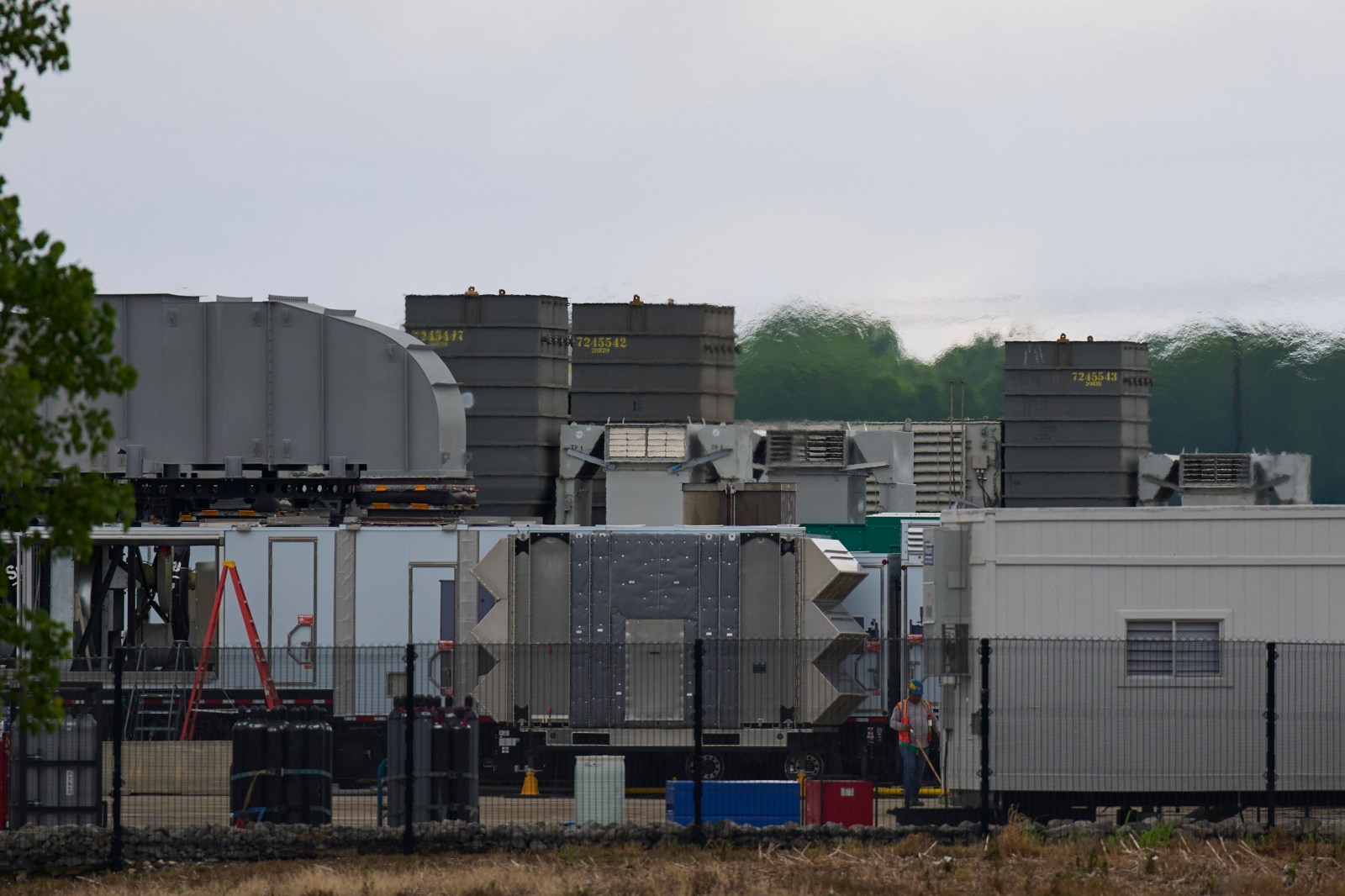
A central issue in the Memphis debate is Elon Musk’s SpaceXAI operations and its Colossus supercomputing facilities. These facilities have played a significant role in bringing the discussion on AI infrastructure to Memphis. Musk’s AI company began converting an industrial site into the Colossus supercomputer in 2024, which he described as an extremely powerful AI training system.
Local opposition has arisen regarding potential impacts on air quality, water and energy consumption, and noise pollution. Concerns have specifically focused on the use of gas-powered turbines. The NAACP has pursued legal action under the Clean Air Act against the company’s operations in Southaven, Mississippi. Although the Justice Department has sought to dismiss this lawsuit, the case remains ongoing.
Arguments for the Proposed Moratorium
Council member JB Smiley Jr., who proposed the moratorium, argues that a pause would allow time to develop appropriate safeguards, not permanently prevent data centers. “We must ensure we are prioritizing people over profits,” Smiley informed CNN.
If implemented, the moratorium would temporarily freeze new developments while a regulatory framework is formed. Existing legal facilities would continue operations.
Concurrently, Memphis Mayor Paul Young has initiated a 90-day examination to draft recommendations for regulating sizable data centers. This review coincides with council discussions, aiming not to hinder any immediate council actions.
Public Tensions at City Hall
The October 6 meeting witnessed public intensity, culminating after the moratorium’s postponement vote. Chanting protesters met with police response to clear the chamber, leading to further conflict in the City Hall lobby without police arrests or injuries.
Councilwoman Yolanda Cooper-Sutton’s interactions with attendees further highlighted the contentious nature of proceedings. Ahead of the next meeting, attendees began gathering outside City Hall as reported by WREG-TV.
The council’s pending decision will not only affect data center development but also establish regulatory standards for a key AI infrastructure site in the United States.