
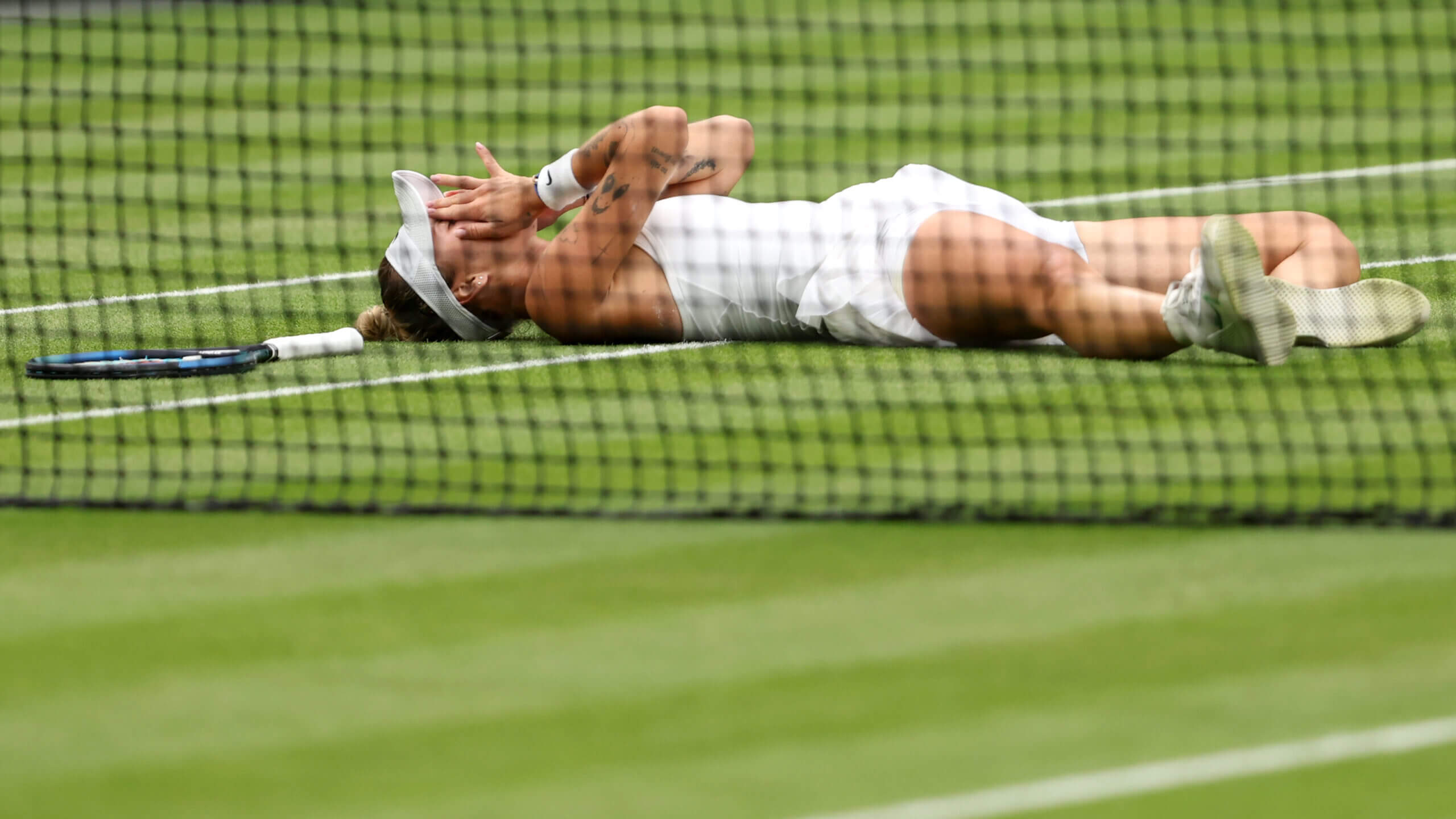
Markéta Vondroušová, the 2023 Wimbledon champion, has been banned from professional tennis for four years due to her refusal to take a doping test in December 2025. Her explanations, given during an independent hearing on June 11, pointed to stress and mental health challenges affecting her decision-making, as well as safety concerns.
Vondroušová, who won a silver medal at the Olympics and was ranked as high as No. 6 globally, was set to participate in the Wimbledon tournament beginning June 29. Instead, she will be absent, with her suspension lasting until 2030, subject to any appeal to the Court of Arbitration for Sport (CAS).
The Offense
On December 3, 2025, Vondroušová, aged 26, did not comply with a request to provide a sample to a Doping Control Officer at her home. The International Tennis Integrity Agency (ITIA), responsible for anti-doping in tennis, charged her in February. An independent tribunal found insufficient justification for her refusal and agreed with a four-year ban recommendation.
Her Defense
In April, Vondroušová posted on Instagram that a surprise visit by a doping control officer caused an “acute stress reaction,” impairing her judgment. She cited fear, referencing a past incident involving fellow Czech player Petra Kvitová, who faced an intruder.
Despite providing clinical evidence of an acute stress reaction during the tribunal, the rules allowed testing outside her allocated one-hour testing slot, diminishing this argument’s impact.
Understanding Anti-Doping Rules
The case highlights gaps in players’ understanding of anti-doping regulations. Though Vondroušová insisted her test fell outside her declared time, anti-doping rules permit tests at any time to ensure compliance and fairness.
ITIA’s Karen Moorhouse emphasized the necessity of unpredictable testing to protect fair competition. ITIA senior director Nicole Sapstead clarified the refusal’s potential consequences were made clear to Vondroušová.
Player Reactions and Misunderstandings
Some players and fans, including former world No. 1 Andy Roddick, voiced concern over out-of-window testing. Roddick previously questioned the rules, later seeking more information before forming a firm opinion.
Alexander Zverev also expressed frustration over out-of-time testing, echoing similar sentiments to Vondroušová’s. Such feedback indicates a need for clearer communication regarding testing protocols.
Education and Communication
The ITIA aims to improve awareness through educational programs for players, coaches, and agents, ensuring comprehensive understanding of testing policies. A video explanation of the Vondroušová case was released to aid in this effort.
Moorhouse stated the need for collective action in the sport to ensure awareness of testing rules.
Severity of the Penalty
The harsh penalty underscores the importance of deterring test refusals. The four-year sanction aligns with penalties for intentional doping, establishing a high barrier for refusal. Other players, like Russia’s Vladislav Ivanov, have faced similar sanctions for test refusals.
Some commentators have pointed out inconsistencies with punishments for positive test results, where penalties may vary based on investigation outcomes and defenses.
Vondroušová’s Response
After the decision, Vondroušová shared her struggles, maintaining she never doped and highlighting her consistency in anti-doping tests. She expressed difficulty in accepting the potential end of her career.
She described the last seven months as challenging due to the detailed scrutiny of her personal life and hopes for justice based on truth and cooperation.
Support from Fellow Players
Her Instagram post drew support from players like Coco Gauff, Paula Badosa, and her Czech peers. The Professional Tennis Players Association expressed concerns about the fairness of such penalties without weighing her guilt but insisted on fair testing practices.
Next Steps
The ITIA will release a detailed decision document. Vondroušová and related organizations can appeal to CAS, and she has 21 days post-publication to decide. During suspension, she is barred from events under ITF, WTA, ATP, and other national bodies.