
The expiration date of the Collective Bargaining Agreement between Major League Baseball (MLB) owners and the MLB Players Association is fast approaching. Both sides have found it difficult to reach an agreement. This stalemate could bring about significant changes to the sport.
The last negotiation period, which began in December 2021, took nearly 100 days to complete. It delayed the start of the 2022 season and required changes to the traditional 162-game schedule.
Historically, the MLB has managed without a salary cap. The current system includes revenue sharing, with wealthier teams supporting smaller market teams. However, the owners now insist on introducing a salary cap and associated salary floor, claiming it aligns with fans’ preferences.
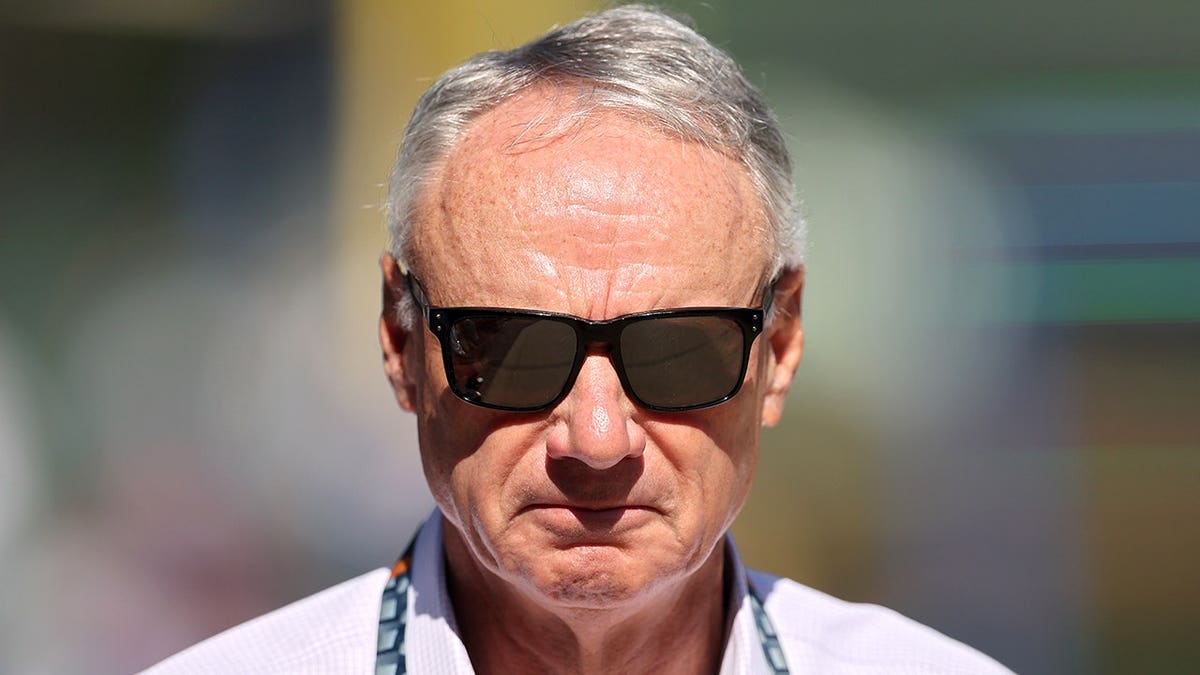
Commissioner Rob Manfred and the owners have been vocal about the need for these changes. Manfred stressed that there is room for compromise but also emphasized the importance of the salary cap, citing fan demand.
The Players Association, represented by Bruce Meyer, firmly opposes a salary cap. Meyer criticized the owners for pushing a system that would lower player compensation and restrict players’ rights.
There should be no illusions about the owners’ true motivation in pushing for this system. They want to make more money in profits and franchise values by artificially suppressing player salaries,Meyer stated.
The threat of a lockout looms as negotiations remain stalled. Manfred mentioned the possibility of working through Thanksgiving to secure a deal but made it clear that a lockout decision would be made at the last moment.
Fans have also played a role in this atmosphere, influenced by narratives around competitive balance. Despite remarkable team successes, like the Milwaukee Brewers winning the 2026 World Series and the Tampa Bay Rays’ strong postseason performances, a perception persists that spending guarantees success.
Manfred’s commitment to a salary cap reflects an effort to replicate revenue models seen in other sports. Owners are interested in maximizing profits by controlling salary expenditures. This approach, however, risks alienating fans if games are missed due to prolonged negotiations.
Baseball’s unpredictability and diversity of team success challenge the notion that a salary cap is necessary for competitiveness. Yet the owners remain steadfast, aiming to safeguard their financial interests.
Time is running out. With two weeks remaining and little progress visible, both sides need to find common ground. Teams and fans alike watch to see if this deadlock will extend into the 2027 season or if resolutions can be reached before critical games are lost.