
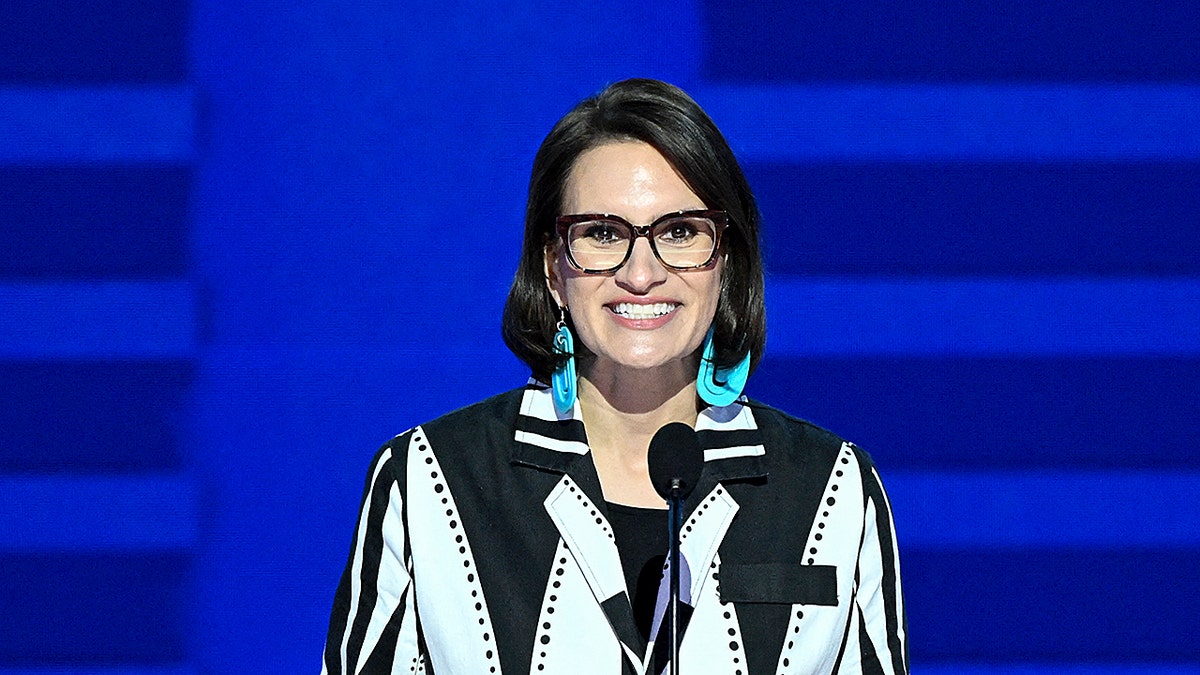
Minnesota’s Lt. Gov. Peggy Flanagan achieved a significant victory in the Democratic primary for the Senate, calling for a radical change in immigration policy. She advocates dismantling Immigration and Customs Enforcement (ICE) after violent incidents raised concerns in Minnesota.
During her victory speech, Flanagan stated, “We need to rip ICE apart and stop them from terrorizing our communities.” She emphasized fixing the immigration system, securing borders, and creating a legitimate path to citizenship.
Flanagan’s win over Rep. Angie Craig represents a challenge to the Democratic Party’s status quo, marking another progressive success. Her campaign included support for Medicare for all and ending military aid to Israel, gaining her endorsements from prominent figures like Sen. Bernie Sanders and Rep. Ilhan Omar.
Flanagan’s stance against ICE follows two controversial shootings in Minnesota. She opposed Craig’s backing of legislation such as the Laken Riley Act, using it to highlight differences in their approaches. Her progressive alignment has attracted both support and criticism.
Sen. Tina Smith’s retirement created an opening for Flanagan’s candidacy. However, Sen. Amy Klobuchar has remained silent on the race. Craig, viewed as a moderate option, had the backing of Democratic leaders like Senate Minority Leader Chuck Schumer.
The race has drawn significant financial attention. Craig raised nearly $13 million, while Flanagan garnered close to $7 million. Republicans view Flanagan’s victory as indicative of a wider shift, drawing comparisons to Dr. Abdul El-Sayed’s recent primary win in Michigan.
This political reshuffling has affected Minnesota politics, especially as Republicans focus on Michele Tafoya as their preferred candidate. Her campaign has potential to sway Minnesota towards Republican control, presenting a challenge for Democrats.
In the broader context of the election cycle, Sen. Tim Scott expressed optimism, noting the potential for a Republican win in Minnesota. He highlighted the close race and saw an opportunity for contrasts between the candidates to influence voters.